Which colour plates should I choose?
Guest Writer: In this guide, Industry expert Ross Jones helps explore what the colour of your crockery can say about your business and which popular industry trends at the moment. Ross is the brand manager for Chinacraft, the industry's leading resource for the latest in tableware trends.
Your restaurant’s decoration, music, menu and even your staff’s appearance can all have a big bearing on your diners’ experience of your business, but how do you ensure that your crockery also gives the right impression?
The colours and tones of tableware that are popular have gone through a number of trends over the years, including trends for patterned, plain, white and coloured designs. Whilst no style of plate is universally ‘wrong’, each crockery colour has benefits and drawbacks which mean it’s crucial to understand how to use coloured crockery to your advantage.
Shop all crockery nowWhy are white plates so popular?
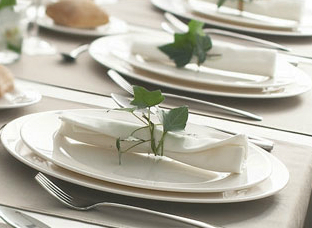
White crockery is an industry classic. This tableware’s enduring popularity is largely because it doesn’t try and make an impression for your food. Clean, clear and classically designed, white plates and bowls allow your food to take centre stage and for this reason, white chinaware is the preferred option for restaurants and hotels which are proud of their ingredients and presentation.
TIP: A Memorial University of Newfoundland study found that white plates increased diners’ perception of quality.
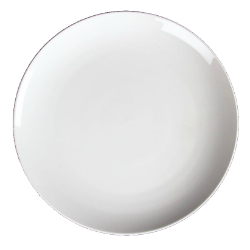
White crockery is usually a simple and safe option when choosing tableware as it is relatively timeless and suits a variety of dishes and presentation styles. White crockery’s timeless quality means that you won’t have to continually re-invest to stay on top of current trends.
Always extremely popular, white crockery comes in a range of styles and constructions, with premium quality, brilliant white fine china such as Royal Bone China and Lumina Fine China the perfect choices for any fine dining establishment. What’s more, according to a 2012 study in The Journal of Consumer Research, diners’ perceive portions to be larger against a contrasting background, such as a simple white plate.
By comparison, pubs and cafes that want hardwearing, versatile and simple plates will love the durability, strength and reliability of the Athena Hotelware range for crockery which suits a wide range of everyday uses.
Are white plates right for you? Browse our Chinacraft e-catalogue for some crockery inspiration.
Browse the Chinacraft catalogueOff-white plates
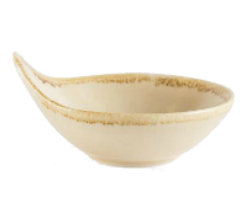
In spite of the enduring popularity of white tableware, off-white crockery options have enjoyed a boom in recent years, inspired by the rise of the artisan dining experience. A significant number of diners are turning away from formal and traditional restaurants in favour of a more intimate and bespoke night out.
With traditional whiteware jarring with this more rustic way of eating, restaurants and eateries have increasingly leant towards naturally-toned alternatives, with new collections including Olympia Kiln Sandstone and the Churchill Stonecast range promoting flecked or more stonewashed porcelain. Altering the tone of your crockery is therefore a brilliant way to complement the modern and informal tone of your restaurant, without alienating customers wanting a familiar dining experience.
Earthy tones

Diners are becoming increasingly conscious of what goes into their food, with the rapidly rising numbers of plant-based, flexitarian and organic diet followers reflecting an increased desire to control what goes into our bodies. Accordingly, restaurants continue to promote the natural goodness of their menus and this extends to their crockery.
Earthy, rich tones including sage greens and darker browns are an exquisite way to promote the wholesome nutrition of your food. With a range of rustic tones available across the Olympia Kiln and Steelite Craft ranges, using these darker plates is an excellent way to emphasise your restaurant’s nutritional credentials.
Patterned rims
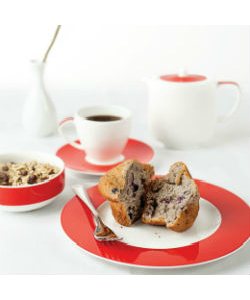
Patterning the lip or rim of a plate is an excellent way to provide ornamentation without having a pattern beneath the food itself. This makes patterned rims a compromise between full colour and the tradition of plain white. As such, wide range of contemporary tableware includes a patterned rim, which can give a subtle rustic twist to classic whiteware as with the Steelite Brown Dapple collection.
Alternatively, patterns can extend across the entire lip of the plate and carry a variety of themes. These vary from the relatively simple coloured lip of the Maxadura Edge collection to the more complicated and vibrant patterns of the Churchill Super Vitrified Salsa range. Different patterns and designs will complement different cuisines or styles, with pigment blue having traditional seaside connotations and the lively Super Vitrified Salsa design suiting similarly vibrant flavours of South American cuisine. When choosing plates with patterned lips or rims it’s therefore important to consider the types of establishments that usually use similar designs.
Pastel tones
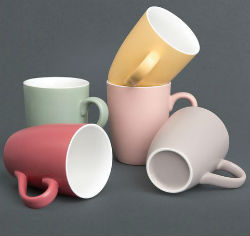
Pastel tones and quaint styling have enjoyed a cultural revival in recent years, partially due to increased use on TV and a revived interest in home cooking. Lighter shades are also driving a homeware revolution, with everything from appliances to soft furnishings being more commonly finished in a variety of sky blues, baby pinks and mint greens.
So, what does this mean for crockery? Effectively utilising pastel crockery can help to accentuate the homemade nature of food and frame it in a similarly cute and retro fashion. Pastel crockery is therefore perfect for coffee shops and cafes that want to provide customers with a slice of home.
Why use bright crockery?
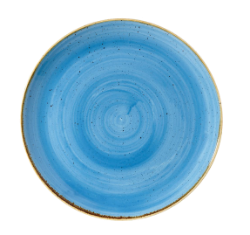
Some colour choices are less subtle and some restaurants and cafes may choose bolder block colours. Recent research suggests that yellow crockery may be particularly helpful in encouraging Alzeihmer’s Disease sufferers to eat larger portion sizes, whilst primary colours are also commonly used in children’s dining.
Nonetheless, block bold colours such as the Olympia Cafe range can also provide useful statement pieces when used alongside other crockery or to complete the theme of a restaurant. Coloured plates can also serve a useful role in allergen control during the plating process, for example by only using red plates for gluten-free meals.
TIP: Some people have suggested that blue mugs make coffee taste less bitter, so these Olympia Kiln mugs could be the secret to pouring the best cup of coffee.
Why do restaurants use black plates?
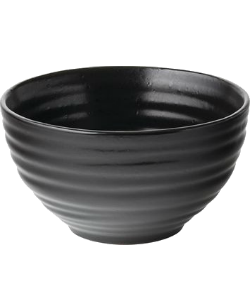
Black plates are, other than white, some of the most popular restaurant crockery. Available in a range of shades, glazes and shapes, black may not seem an intuitive choice for plating food, so why do restaurants use black crockery?
One reason is that darker plate colours may alter customers’ perception of portion size, according to a Cornell University study. As a result, darker plates can give the impression of large and generous helpings compared to white alternatives. Equally, not all colours complement all foods, meaning that simple tones such as black or white can be more practical for a wider variety of cuisines.
Black plates also make a striking impression when delivered to the table! There’s an increasing customer backlash against food served on slates, whilst back of house staff can find such materials difficult to manage, meaning that black crockery is a more practical alternative method for delivering visually striking food. That said, it’s worth carefully selecting the meals which will be complemented and not overpowered by this bold colour choice.
If you're sold on black plates, complete the look with black mugs and black cups to really make your tableware stand out.
Shop all crockery nowArticle: For more information on choosing crockery, try our companion guides Choosing The Right Shape of Plates and Choosing The Right Size of Plates.