
What is Melamine Crockery?
Melamine crockery is a hardwearing and extremely damage resistant alternative to porcelain. As it is safe to be dropped and almost impossible to chip or crack during normal use, melamine crockery is ideally suited to bustling semi-formal dining environments and outdoor catering. Because of its superior appearance and quality feel, melamine is the trusted alternative to traditional crockery for many weddings and corporate caterers.
Melamine crockery is a thermoset plastic resin made from organic compounds. Its physical properties and appearance has made it a popular material for manufacturing hard wearing products across a number of industries.
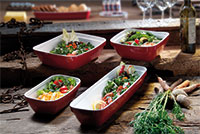
Melamine crockery is continuing to grow in popularity and is suitable for use in schools, hospitals, care homes, workplace canteens and relaxed restaurants. Melamine crockery has a host of benefits and features that make it a much better choice than porcelain or bone china for a variety of different establishments.
The two main ranges of melamine products available are: melamine crockery and melamine buffet display.
TIP: When looking for melamine products, it's sometimes easier to shop by brand. So check out our top recommended brands Kristallon and APS now.
What are the advantages of melamine crockery?
There’s huge benefits to swapping traditional crockery for melamine alternatives, making it a smart swap for any commercial catering environment.
Hardwearing
One of the biggest benefits of melamine is that it is hardwearing. Thanks to the strength of the material, it can be dropped and will rarely break, giving it a distinct advantage over traditional crockery ranges. This remarkable property of melamine crockery makes it the perfect choice for any establishment where accidents might be expected to happen, such as pubs, care homes, schools and hospitals, or even mobile catering units.
Scratch Resistance
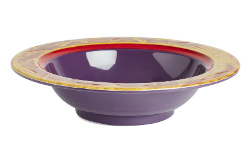
Not only resistant to breakages, melamine is scratch resistant too. This makes it perfect for use in busy catering environments where everyday contact with cutlery can quickly take its toll on more traditional crockery. And as it’s the scuffs and scratches plates and bowls pick up that are more likely to force restaurants to replace them – rather than actual breakages – this resistance to scratching gives melamine products a long working life. What does this mean for catering environments? A lower spend in the long run, reduced costs and the potential for extra profit.
However, although melamine is more scratch resistant than traditional crockery, this doesn’t mean it can be abused. Serrated knives can still damage it, and abrasive cleaning chemicals should still be avoided when cleaning it. Treat it right, however, and it’ll last for a remarkably long time.
Lightweight Design
The real miracle of melamine is that it balances this remarkable durability with a surprisingly lightweight design. The typical melamine plate is noticeably lighter than a porcelain equivalent, for instance, while being more durable. From a catering perspective, this is useful as it makes carrying several melamine plates at once much easier than balancing several (often heavy) porcelain ones. That’s good news for waiters and waitresses!
Heat Resistance
The fact that melamine remains cool to the touch, even when hot food is dished into it, makes it even more waiter-friendly. The burnt hands and potential plate drops that hot crockery can bring about are much less likely with melamine for this reason. It also means that melamine is safer for your customers, reducing the likelihood of burns at the table. This makes melamine an especially good choice when catering for younger diners.
Appearance
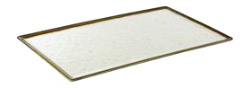
With all these added benefits over porcelain, you could be excused for thinking melamine might have a drawback somewhere – perhaps on the design front. But melamine crockery is often indistinguishable from true traditional crockery. The Kristallon melamine tableware collection looks just as good as traditional crockery, for example, while enjoying all the added benefits of melamine. This makes melamine ideal for adding a little extra durability to a crockery collection without sacrificing style.
Dishwasher Safe
There’s no denying that crockery being dishwasher safe is a huge benefit – whether you’re catering for small groups or hundreds of diners at a time. Melamine is dishwasher safe under normal conditions, making it likely to be as much of a hit with potwashes as it is with waiting staff.
When was melamine invented?
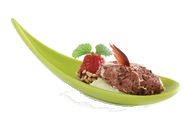
Melamine was first commonly used to produce crockery in the 1940’s, as it was an affordable way to produce synthetic crockery despite wartime hardships. Early trailblazing “Melmac” crockery was a bestseller in the 1940’s and 1950’s and melamine crockery has been trusted by industry professionals and domestic users ever since. Vintage melamine crockery is widely sought after and is prized for vintage picnics and stylish outdoor catering.
How is melamine made?
Each manufacturer produces melamine crockery in a slightly different way. That said, melamine crockery is made by combining melamine with setting agents and added compounds to produce melamine resin. This happens in two separate heated production processes.
What is melamine made of?
Melamine resin is a combination of melamine and preserving and setting agents which make sure that crockery is as strong and durable as possible. Fundamentally, melamine is made of carbon, hydrogen and nitrogen, though exact compositions vary between manufacturers.
Is melamine microwave safe?
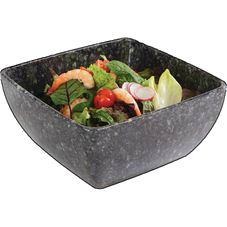
Just as with many plastics, melamine should not be used to heat foods in the microwave or oven. Doing so can damage your melamine crockery, and could even contaminate the food you serve.
Instead, if heating food in the microwave, do so in a purpose-made microwavable container first. Then, once your food is ready to plate, transfer it to your melamine crockery. The in-built heat resistance of your melamine crockery will keep your hands (and those of your customers) safe from the heat of your freshly pinged food.
Use this method and keep your tableware, and the food your plate on it, safe.
Is melamine BPA free?
APS melamine is BPA free, whilst the Food Standards Agency have stated that, even in other food packaging which contains BPA, 'levels of exposure are not considered to be harmful'. Melamine has a toxicity rating of LD50, which is roughly comparable with table salt and is therefore completely safe for used when serving food to customers.