
Buying a Commercial Fridge
A Commercial Fridge is often one of the most frequently used appliances in the professional kitchen. As such, it’s got to be powerful enough to deal with hot conditions, whilst also being reliable enough to keep going even when the doors are constantly being opened. After all, a commercial refrigerator can often have hundreds, if not thousands of pounds worth of stock inside.
This guide should help you understand the differences between the various types of chiller available, as well as the benefits of each one.
Upright Fridges
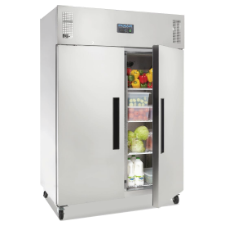
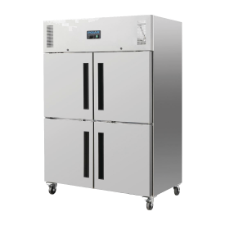
Perhaps the most common form of commercial fridge, these freestanding units have the advantage of height, allowing for slimmer models to fit into tight or crowded spaces. If there is room for width, these machines can be huge and offer a far better internal capacity than almost every other type of refrigerator except Walk In Fridges.
- Compact footprint: reduces the amount of space used by refrigeration in your kitchen.
- Large capacity: especially if you opt for a double door version.
- GN Compatible: many offer gastronorm compatibility, meaning trays can be transferred directly from the fridge to the oven range or freezer.
- Fast and easy access: due to their size, upright fridges can be positioned closer to food prep areas in comparison to walk-in fridges and freezers.
- Adjustable shelves: helps you to store bulky ingredients or food containers.
Counter Fridges
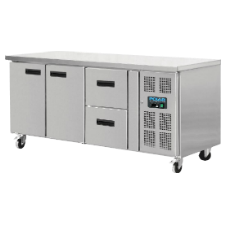
Counter Fridges are typically waist high and are designed to provide both chilled under counter storage and valuable worktop food prep space. The counter surface is usually constructed from durable materials such as stainless steel and has the added benefit of being a solid countertop for other kitchen appliances.
- Under counter chilled storage: combined with a sturdy worktop, these make efficient use of your kitchen space.
- Flexible: Available with drawers, doors or a combination of both.
- GN Compatible: many offer gastronorm compatibility, meaning trays can be transferred directly from the fridge to the oven range or freezer.
- Sizes to fit: Available in small, single door versions up to large four-door counters for the largest kitchens.
- Sturdy base: Can accommodate other small appliances on the worktop, such as blenders, mixers or sous vide machines.
Prep Counter Fridges
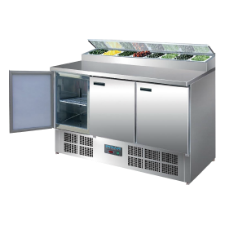
Food Prep Fridges are very similar to counter fridges as they both combine the flexibility of under counter storage with a handy worktop. However, prep fridges expand that versatility even further, by also including an area where chilled or ambient food is immediately accessible.
Prep fridges are especially useful for quick service restaurants, as the whole food preparation process is made faster by having everything in one place. The reduced worktop space usually means there’s less room for small kitchen appliances.
- Under counter chilled storage: combined with a sturdy worktop, these make efficient use of your kitchen space.
- Flexible: Available with drawers, doors or a combination of both
- GN Compatible: many offer gastronorm compatibility, meaning trays can be transferred directly from the fridge to the oven range or freezer.
- Marble tops: many feature stay-cool marble tops for bakery or pizzeria use.
Low Fridges
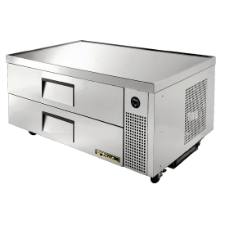
Low fridges help you to further optimise the space in your kitchen. Sometimes called a Chef Base or even sometimes an Underbroiler or Flexdrawer, these fridges are typically just over knee height and are designed to provide chilled storage as well as raising your other commercial kitchen equipment up to a comfortable working height. Much more flexible than using a stand.
- Sturdy: can accommodate larger kitchen appliances such as convection ovens, chargrills or griddles.
- Chilled or frozen storage: can be set to either configuration – no need for separate units.
- Individually controlled drawers: meaning fridge and freezer functionality in a single unit.
- GN Compatible: many offer gastronorm compatibility, meaning trays can be transferred directly from the fridge to the oven range or freezer.
- Flexible: available in single or double drawer configurations.
Under Counter Fridges
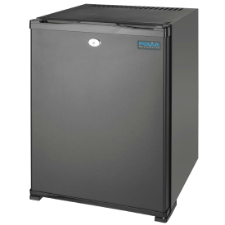
Compact and lightweight compared to other models, Under Counter Fridges provide fast access to ingredients without obstructing counter space. Similar to their domestic counterparts, these fridges have solid doors and quietly operate with minimum disruption. As such, they tend to be used in front of house areas or where demand is low.
- Flexible: perfect for use as a backup or front of house fridge.
- Compact: easy to position as most under counter fridges have a single door.
- Virtually silent: many operate extremely quietly - perfect for hotel rooms or intimate restaurants.
- Efficient: due to their small size, many under counter fridges cost much less to run in comparison to larger fridges.
Countertop Fridges
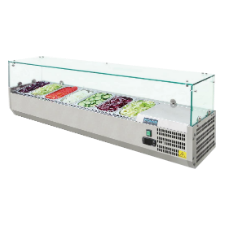
Countertop fridges are designed to keep ingredients chilled, easily accessible and ready for food prep. Commonly used in sandwich shops or pizzerias, these machines are also useful for front of house use in either serve-over or self-service configurations.
- GN Compatible: although these units use smaller gastronorm pans, the GN compatibility ensures a quick turnaround when stocks are low.
- Compact: more wide than deep, these chillers can be positioned easily to best make use of the available space.
- Ideal for buffets: handy glass covers prevent contamination of the contents. Easy clean stainless steel.
Other Types of Commercial Fridge
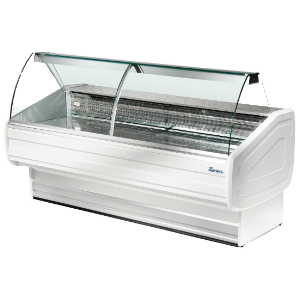
There are many more specialist fridges available, including:
- Display Fridges: designed for front of house use, Display Fridges are perfect for merchandising chilled stock. It’s a vast category of refrigeration and includes many different types - from beer fridges and multidecks to countertop merchandisers and serve-over counters. For more information about these specialist fridges, check out our Display Refrigeration Explained article.
- Meat Fridges: as the name suggests, a Meat Fridge is specifically designed to reliably store cuts of meat. The main function is to hold the contents at a very precise temperature range - vital when storing poultry, fish or red meats.
- Marine Fridges: Sometimes called “Marine Spec”, these fridges are used in the demanding kitchens on liners, yachts, oil rigs and other similar off shore sites. These fridges have very specific safety and power requirements to meet international marine standards. These types of fridges are noted as "Marine" within the product title.
- Blast Chiller: available as either a Blast Chiller or Blast Freezer, these quickly bring down the temperature of cooked foods to adhere to food safety guidelines. More information about blast chillers can be found on the Blast Chiller Buying Guide.
- Cold Rooms: commonly called a Walk-In Fridge, a Cold Room is the single largest piece of refrigeration available to the professional kitchen. More information about cold rooms can be found on the Cold Room Buying Guide. SHOP COMMERCIAL FRIDGES NOW
Commercial Fridge Features
Here are a few features to look out for when buying a commercial fridge.
- Capacity: Try to get a fridge with enough space to cope with your busiest service. Too small and you risk food going to waste. Too big and the fridge will take up too much of your kitchen and increase your running costs. Note that each fridge has a Capacity and a Net capacity. The Net Capacity is the fridge's total usable space.
- Size: Being such a large and important part of the kitchen, it’s vital to ensure it’s going to fit before purchase. Can you imagine the inconvenience of not being able to store your delivery of fresh produce because the fridge doesn’t fit through the door? Even if you haven't got a delivery waiting, it's much easier to do some simple checks first. This video gives you some helpful tips.
- Climate Class: This represents the highest ambient temperature that the fridge can operate at effectively. Generally, Climate Class 4 is considered “medium duty”, whereas Climate Class 5 fridges are “heavy duty”. A good rule of thumb is that if your kitchen is routinely over 32°C, it’s likely you’ll need a Climate Class 5 fridge. On the Nisbets website, relevant products will have either a Climate Class or a Maximum Ambient Temperature.
- Efficiency: On the whole, the more efficient a fridge is, the less it will cost to run. Most solid-door commercial fridges will have an energy efficiency rating to help you decide.
- Defrost: Over time, it’s possible that the inside of a fridge can accumulate ice. This can reduce the performance and lifespan of the fridge, so many professional units have a built in automatic defrost system which can be programmed to kick in when required. You’ll need to manually defrost the unit if there’s no automatic defrost.
- Security: The contents of a fridge can be highly valuable, especially if it contains cuts of meat or fish. If there’s any doubt, it’s worthwhile to invest in a lockable fridge to secure your stock.
- Doors: There’s a few features to look for in the doors. Self-closing doors help to save energy and are especially useful if you’ve got your hands full. Some fridges have Pedal Opening, meaning you don’t even need to touch the door at all - much more hygienic. Stable Door fridges are great for saving energy too, as you only open the door you need, retaining the temperature much more efficiently than full door versions.
- Power Rating: Most commercial fridges can simply be plugged in. However, some of the most powerful versions may require hardwiring. Check out the Power Ratings Explained guide for more information.
Frequently Asked Questions
What is Refrigerant and what’s the difference between each type?
Refrigerant is the fluid or gas used within a fridge as part of the refrigeration cycle. In a professional kitchen, it doesn’t really make much difference if your unit contains R404, R134a or R600a refrigerant.
The overall performance and capacity of the product is usually a far more important buying decision. However, some types of refrigerant are considered more environmentally friendly than others. R290 is widely considered to be the eco-friendly version, whereas other types of refrigerant often contain greenhouse gases.
Where can I find Spares for my fridge?
There is a huge selection of spare parts available such as shelves, compressors, door seals and more, all within our Spares and Accessories category.
What's the difference between domestic and commercial fridges?
Commercial fridges are designed for much more frequent use. A domestic fridge might only be opened a dozen times a day, whereas a commercial fridge could be constantly being opened over the course of a few hours. Commercial fridges feature powerful compressors, much sturdier construction and are often fan assisted - making them noisier too.
Why is my fridge running too hot?
It's not necessarily a fault. Check out our guide on How to Keep a Fridge Cold.
Do you have more information on other types of refrigeration?
There are many guides and articles available through the Nisbets Cater Hub. Popular guides include the Commercial Freezer Buying Guide, the Ice Machine Buying Guide, the Blast Chiller Buying Guide or the Display Refrigeration Explained article.