
Choosing Cutlery
Buying your first set of cutlery is an important decision, and knowing the common terms associated with the product you wish to purchase can help make your choice a whole lot easier. The right cutlery will last you for years if suited to the environment and cared for properly.
SHOP ALL CUTLERY NOW18/10 or 18/0
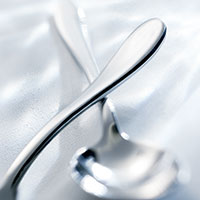
When choosing cutlery, your first hurdle to overcome is understanding the difference between 18/0 and 18/10 types. These numbers simply refer to the type of stainless steel used in the product. Stainless steel is an alloy, a metal made by combining two or more metallic elements; the benefit of artificially creating this new metal is that its properties can be manipulated, allowing it to be better suited to its desired function.
The first number, “18”, always refers to the chrome content of the stainless steel as a percentage by weight; Chromium is the component of stainless steel that gives it its stainless property. The addition of Chromium allows the metal to take on a soft shine that can be polished, whilst additionally adding some resistance to oxidation or rusting.
The second number, “0” or “10”, refers to the Nickel content in the alloy, again as a percentage by weight. “0” would indicate the steel has no added Nickel, meaning the cutlery would retain its magnetic qualities. This makes it ideal for if you intend to use with magnetic cutlery saving systems, which are often used in high volume restaurants. The addition of Nickel adds more corrosion protection to the cutlery, preventing pit marks and rusting, but since Nickel is an expensive metal, 18/10 cutlery is almost always more expensive than 18/0.


Pressed or Forged
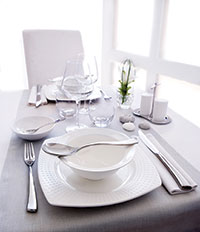
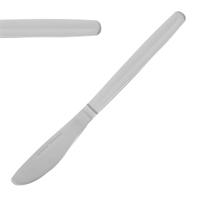
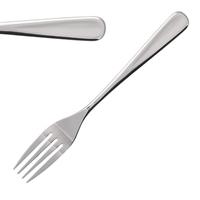
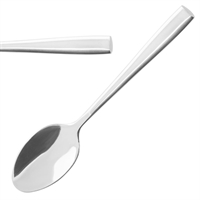
Cutlery takes its shape from one of two methods: pressing or forging. Pressed cutlery starts life as one massive sheet of stainless steel. This method allows for the creation of a wide variety of patterns on the cutlery, but the cutlery has to keep a relatively flat design. Recent years have seen great developments in the quality of stamped cutlery, and some ranges can rival the quality of a set of forged cutlery.
Forged cutlery begins life as solid bars and is pounded into shape, allowing the production of round, oval and square cutlery. Using this method has limitations of pattern definition, so forged cutlery will usually have a plain design. Due to the intensive labour needed to create this cutlery, it is often more expensive than stamped cutlery and is regarded as a premium range.
Buffing
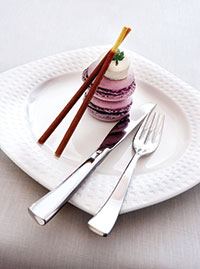
The finishing process, known as buffing, polishes the cutlery after it has been worked into shape. Entry level cutlery will receive a tumble finish, the cheapest available finish. Economy level cutlery will go through four levels of buffing. The finest 18/10 cutlery can receive up to 27 levels of buffing, including buffing between the prongs for a silky smooth finish. Steak knives and forks can have a variety of finishes to complement your tableware.
Making a Decision
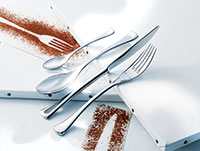
Now it's over to you to choose the cutlery that will suit your establishment. Just remember these main differences in material,
18/0 – has no Nickel content so the metal is harder, magnetic and generally low cost.
18/10- Contains Nickel which provides an extra layer of protection against rust and corrosion.
If you are struggling with deciding on a design we can supply sample sets of cutlery at a small cost.
TIP: Our range of highly functional cutlery storage solutions is perfect for neatly storing and organising your new cutlery.
SHOP ALL CUTLERY NOW