Types of Wine Glasses
With so many types of wine glasses available, finding the right one can be confusing. Get it right and you’ll have wine glasses that’ll live up to your needs, improve the appearance of your wines and even enhance their flavour. Get it wrong, however, and you’ll fail on all three counts. But what exactly makes a good wine glass, and what do you need to consider before you buy?
Read on for tips on what to look out for.
SHOP ALL WINE GLASSES NOWWine Glass Shapes
The first thing to consider when buying wine glasses is the shape. There’s more to this than you might think, and different types of wine demand different glasses. The right glass will bring your wines to life, enhancing everything from their flavour to their appearance. The wrong glass, however, will fail to fully bring out the flavour of the wines you serve, essentially underselling them.
So what shaped wine glasses do you need? That depends on the type of wine you’re serving.
Best Wine Glasses for Red Wine

For red wine, you'll want a large glass with a good sized bowl that tapers up to a narrow opening. The large bowl will help the wine to aerate (mix with the air), releasing the flavours and aromas within, while the narrow opening will direct those aromas straight towards the drinker’s nose. This not only allows discerning wine drinkers to check the quality of their wine, but unlocks the flavours in the reds you serve, improving their taste.
A larger bowl also allows the ethanol fumes from more alcoholic wines to diffuse, minimising the harshness that can make a high proof wine hard to swallow. It’ll also help break down the tannins – the tiny molecules that give red wine its distinct bitter taste – in bolder reds. Tanins aren’t bad, they’re what make a good red wine great, but too many and your wine can be harsh on the palate. A large and airy bowl will eliminate a little of the tannin content, for a smoother, easier-to-drink wine. It’ll also give your guests the option to ‘swirl’.
TIP: Swirling is key to aerating and agitating wine to release the aromas and flavours locked within. Once released, these aromas are trapped by the narrow opening of the glass, meaning each sip is packed with flavour.
You’ll also be looking for a long and elegant stem. There’s a reason for this: clutching the bowl of a glass gently heats the wine in it. This can be especially bad for a red, the taste of which works best at around 62°F to 68°F. A stem will help avoid heating, no matter how gentle, allowing your reds to remain at their ideal serving temperature for longer.
A comfortable stem will also discourage your guests from gripping the bowl of their glass, meaning fewer fingerprints and more chance for your wine to catch the light. This will instantly improve its appearance, allowing your shirazes, cabernet sauvignons and zinfandels to really shine. And as the look of food and drink can be almost as influential on your guests’ enjoyment of it as the taste itself, appearance should never be undervalued.
It’s also worth bearing in mind that a ‘better’ wine can command a higher price, so doing all you can to enhance the flavour of your reds is always a good idea.
- Large bowl to release aromas and flavours
- Narrow rim to direct those aromas upward
- Long stem to hold, avoiding bowl smudges and accidental heating
Good Red Wine Glass Features
Best Wine Glasses for White Wine
White wine is slightly different and calls for a glass of its own. Here, you'll want to trap the delicate floral notes and zesty finish of your whites, while keeping them cool and crisp. The best way to do this is with a smaller glass, the reduced surface area of which will minimise heat gain and keep the wine within cooler for longer.
For heavier whites like chardonnay, however, a slightly larger glass is better. You’ll still want one that’s smaller than your typical red wine glass, but you’ll be looking for a mid-sized bowl here to help release the creamy notes that these fuller-bodied whites are known for.
A stem is slightly less important for whites as their temperature is not so easily affected by the heat of the holder’s hand as a red it - but a comfortable stem is still a good idea. Like with reds, a stem encourages the drinker to avoid gripping the bowl, meaning fewer smudges and, ultimately, a better appearance for your wines.
- Smaller bowl to minimise heat gain
- Tapered rim to direct aromas upwards
- Comfortable stem to avoid bowl smudges
Good White Wine Glass Features
Best Wine Glasses for Sparkling Wine
Sparkling wines require their own specialist glasses to really shine. What you’ll need here is a glass that’s narrow from bowl to tip. Known as a champagne flute, this type of glass will retain the bubbles in your cava and Champagne for longer than a wider wine glass, while also keeping your lightly chilled bubbly cool for as long as your drinkers are enjoying it.
An elegant stem is also important, not so much to avoid heating as with a red wine glass, but for adding that final touch of class that all good bubbly should be served with. It’ll also give your guests something to grip onto as they’re toasting.
- Narrow, elegant shape to retain bubbles
- Long stem for a classy feel and easy toasting
Good Sparkling Wine Glass Features



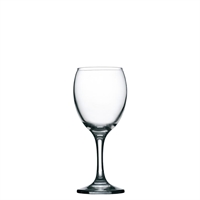

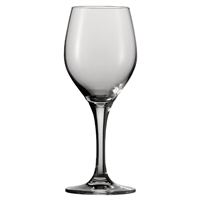

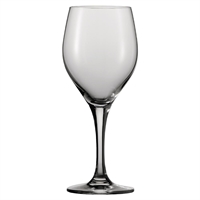
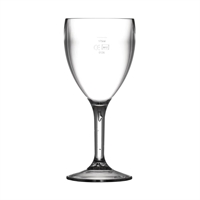

What is the Best Wine Glass Material?

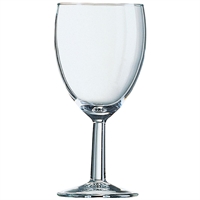
Getting the right shaped wine glass is essential, but picking the right material is just as important. Here, you’ll want to think about the use your glasses will be getting.
For heavy everyday use you’ll need something sturdy; for outdoor drinking you’ll want something even stronger. For events and occasions, thinner more elegant glasses are essential. And each calls for a specific material
To help you find the best material for your needs, we’ve rated each wine glass material below from 1 to 5 stars based on its price, appearance and durability.
Glass
Great value, dishwasher safe and fairly durable, glass is ideal for busy bars and restaurants looking for a balance between strength and appearance. Blending all the essentials you could ask for in a wine glass, it’s a classic for a reason.
On the downside, glass-made glasses usually have a fairly chunky rim, giving them a less-premium feel that materials like crystal. They’re also less likely to refract light, meaning they lack the brilliance of crystal. However, with glass-made glasses typically stronger than crystal glassware, what they may lack in looks they more than make up for in strength. If you’re looking for glasses that can hold their own both in terms of style and durability, then glass is the material for you.
Price
★ ★ ★ ★
Look & Feel
★ ★ ★
Durability
★ ★ ★
Best for: Standard, everyday use in bars and restaurants
Fully Toughened Glass
Well suited to rowdier, busier bars, toughened glassware is designed to resist breaking, and to shatter into harmless fragments if it fails to do so. The trade-off is the additional thickness, which can make toughened glasses feel slightly clunkier and less elegant that standard glass. If strength is your key concern, however, these are the glasses for you.
Price
★ ★ ★
Look & Feel
★ ★
Durability
★ ★ ★ ★
Best for: busy bars more concerned with strength and durability than elegance and appearance.
Kwarx
Welcomed as a wonder material when it first appeared in 2006, Kwarx has generally lived up to its reputation ever since. Billed as ‘virtually unbreakable’, its remarkable strength allows it to withstand in excess of two thousand industrial washes – making it ideal for the busiest of bars.
Where Kwarx glassware really excels, however, is in appearance. Designed to retain its transparency and shine even up to the 2000th wash, it blends the premium look of crystal glassware with the strength of toughened glass.
These added benefits come at a cost, however, and Kwarx is generally slightly pricier than standard glass. If you’re willing to pay a little more for your glassware, Kwarx is a great choice for any bar looking for strength with looks to match.
Price
★ ★ ★
Look & Feel
★ ★ ★ ★
Durability
★ ★ ★ ★
Best for: Bars and restaurants looking for glassware that’s as strong in looks as it is in build.
Polycarbonate
Drops and knocks are part and parcel of outdoor drinking, so you’ll need shatter-proof plastic glasses if your customers will be drinking outdoors. Plastic glassware is a great choice here. Its exceptional durability and shatter-resistance also makes it ideal for events and contract catering. And, able to withstand up to 500 washes, they’re also durable enough for everyday use in any bustling bar or restaurant.
Of course, being plastic, you lose the premium look and feel of true glassware. But the durability – and cost – make polycarbonate glasses a tempting choice for those occasions where look and feel come second to strength.
Price
★ ★ ★ ★ ★
Look & Feel
★ ★
Durability
★ ★ ★ ★ ★
Best for: Businesses with beer gardens and outdoor terraces, or any venue where durability and safety are the key concerns.
Crystal
The gold standard in glassware, there’s no better way to give your best wines a premium feel than with crystal. Able to be spun thinner than glass, these elegant, dazzling glasses are purpose-made to complement quality wine. And as getting appearances right can make customers more willing to splash out on a pricier dish or drink, serving your top wines in a glass that’s equally as impressive will allow you to edge up your prices. This means crystal glasses – the priciest of all glassware materials – pay for themselves in the long run.
Not just prized for their looks, crystal glasses also feel weightier in the hand, lending them a truly premium feel that adds to the overall perception of quality that crystal glassware brings to the table.
All this elegance does make crystal glasses more fragile than their less-premium counterparts, however. But if looks are what you’re after, crystal is the material to go for.
Price
★ ★
Look & Feel
★ ★ ★ ★ ★
Durability
★ ★
Best for: Bars and restaurants selling top quality wine and looking for glassware to match.
Other Considerations
Getting the right shape and the right material for you are the main things you’ll need to worry about. But theres a few other considerations you’ll need to take into account if you’re looking for that perfect glass.
One Piece and Two Piece Construction
The first is one piece or two-piece pulled construction.
This refers to the way the glass is made, with a one-piece glass made, as the name suggests, from a single piece of pulled glass. Two piece glasses are made from two separate pieces, with the stem added to the bowl afterwards. The main benefit of once-piece design is the added strength it provides. While not massively important when choosing a glass, one-piece glasses are generally stronger. So if durability is essential to you, one-piece glassware may be the smarter choice.
Nucleated Glass
Nucleated glasses keep carbonated drinks fizzing for longer. Specially designed to retain the bubbles in cava and champagne, nucleated champagne flutes can be a worthwhile investment if bubbly is a mainstay of your menu. No one enjoys a flat cava, so nucleated glasses are always worth investing in if you’re looking to really show off your Champagne selection.
CE Marked Wine Glasses

After you’ve decided what shape and material you’ll need, it’s a good idea to consider whether CE marked glasses are for you.
As you’ll know, alcohol needs to be served in government-specified measures. For wine, this means measures of 125ml or 175ml. Wine can legally be sold in unspecified measures below 75ml, but as of 2010, multiples of 125ml and 175ml are generally what you’ll need to pour to stay on the right side of the law.
A CE marked wine glass is a quick and painless way of ensuring you’re serving exactly the right amount. With a line or stamp at the exact level you need to fill to in order to stay above the law, they’re not only great for avoiding legal headaches further down the line, but they’ll help to streamline your service in busy periods by allowing you to quickly and easily measure the correct amount.