How to Store & Care for Glassware
Using the correct techniques to clean, store and transport you glassware is vital to increasing their lifespan. Proper care of glassware saves both time and money that can be spent elsewhere within your business. This article provides an in-depth guide to how to store, transport and clean glassware to get the most out of your investments.
Read on to find out more.
How to Clean Drinking Glasses
How you clean glassware depends on three major factors: the material used, the shape of the glassware and engraving or printed-designs. These individual factors can have an impact on how easy it is to clean, dry and polish glassware.
How do Glass, Plastic & Crystal Affect the Cleaning of Glassware?
The most common material for glassware is, strangely enough, glass. Glass is usually reasonably simple to clean – either by hand or within a glasswasher.
Plastic glasses are usually just as easy to clean as ones that are made from glass. It’s worth checking your plastic glasses before cleaning, as some may have individual recommendations when it comes to maintenance.
Crystal is widely considered to be a premium material, that can vastly improve the look of your glassware collection. Crystal glassware is often lighter and more robust than glass, as well as offering a higher clarity. All three of these materials will usually require the same cleaning techniques, although we recommend that you to be extra careful when cleaning crystal glassware.
How to Clean Glasses by Hand
Cleaning glasses by hand, although normally more time consuming, comes with many benefits. When cleaning by hand, you have the opportunity to individually inspect each glass to ensure that it is thoroughly cleaned. Hand-washing also reduces the risk of breakages that can be caused by improper use of a glasswasher. To clean glassware by hand, follow these steps:
Clean your sink before starting to wash glassware
Ensure that your stainless steel sink is adequately clean before starting. This will reduce the risk of extra dirt or debris from sticking to your glassware during cleaning tasks.
Control the water temperature
It is important to control the temperature of the water. Too hot, anything over 60°C, and your glasses will be at risk of etching. Reducing the heat will also have a positive effect on your energy usage, saving you money.
Fill your sink with warm, soapy water by using an effective washing up liquid
Washing up liquids help to ensure that your glassware is hygienically cleaned and with an attractive finish. When cleaning crystal, place a soft towel or cloth at the bottle of your sink before filling to reduce the risk of breakages.
Carefully, yet thoroughly clean your glassware
Clean your glassware, ensuring that the rim, bowl, body and base are all thoroughly sanitised. To reduce the risk of breaking, ensure that the cleaning is completed carefully; especially when it comes to delicate glassware.
Drain your sink after cleaning
Either drain the sink that you have used to clean your glassware, or use a separate sink to rinse the glasses – removing any excess detergent, food or drink. This ensures that grime, debris and oils are prevented from drying out on your glassware.
Allow your glassware to dry, or dry by hand
Allow the glasses to dry on either a draining board, or hand-dry the glasses using a dry cloth that hasn’t been washed with fabric conditioner. It is also inadvisable to stack glasses before they have sufficiently cooled. Trapped air between the glassware can weaken the structure and result in the glass exploding.
Wipe with a microfibre cloth
After the glass has dried, wipe a clean microfibre cloth along the bowl in a vertical motion to remove any excess marks or fingerprints.

How to Load a Dishwasher – Preventing Glassware Breakages
Glasswashing machines can be used to speed-up the cleaning process and produce professional results. However, unless otherwise stated, glasses should not be cleaned in a glasswasher due to the risk increased of breaking. Follow these steps for efficient cleaning:
Check water hardness
Checking water hardness is vital to correctly cleaning glassware within a glasswasher. Hard water has a high mineral content capable of scratching your glasses; the fewer minerals in your water, the fewer the scratches on your glassware. Soft water occurs when there is a lack of minerals present in the water itself. If water is too soft, then a salty residue can be left behind which leaves a foul taste. In general, it is better to have soft water when cleaning in a glasswasher; so a water softening machine or dishwasher salts can be used if hard water is present.
Pre-rinse your glassware
Ensure your glassware is pre-rinsed before placing into a glasswasher to remove any food debris or dirt from the glasses before cleaning and allowing for efficient cleaning, every time.
Ensure you glasses are correctly placed within the rack
Place your glasses within a glass rack, facing downwards. Glass racks will help to keep your glassware apart during cleaning which reduces the risk of cracks, chips or shattering. Placing the glasses mouth-down aids in efficient draining after cleaning tasks are completed.
Choosing you desired cycle and settings
Place the rack within the glasswasher and choose your desired cycle. Selecting the correct cycle is vital to reduce the risk of over-washing which can cause cracks, breaks or etching. Close the door and ensure that the cycle has started.
Allow steam to clear
After the cycle is fully completed, open the door and leave it slightly ajar; this will allow the hot steam to leave the dishwasher and reduce the risk of burn injuries.
Removing your glassware
When the glasswasher has cooled, carefully remove the glass rack and allow to fully drain before storing.
TIP: Dishwasher salts help to soften the water through acting on the particles that cause limescale and the minerals that can cause etching - making the water more efficient at cleaning and preserving your glassware.
How does the Shape of Glasses Affect Cleaning?

The shape of your glassware can often impact the efficiency of cleaning, as differently shaped glasses will require specific handling and cleaning methods to be used. For example, tumblers will often require a narrow brush that allows for deep cleaning. Often, specialised glasses are used for specific drinking needs; such as a red wine glass, that will feature a wide bowl for aeration and a stem for ergonomic handling. For constructions such as that of a red wine glass, extra care should be taken during cleaning. For example, wine glasses should be held using the bowl when cleaning, as the stem and base are often less sturdy than the rest of the glass.
Similarly, gin glasses and cocktail glasses are often more difficult to clean than say, tumblers or beer glasses. Usually, gin and cocktail glasses feature an elongated stem and sturdy base, so as before, cleaning should be completed whilst holding the bowl.
How to Clean Decorative Glass
As with shaped glass, decorative glassware comes with its own drawbacks when it comes to cleaning, but ultimately provide superior presentation for your guests. Some glasses come with decorations, either through etching, branded logos or patterns, that improve the look of your glassware collection. With these types of glasses, we would recommend carefully washing by hand, with a gentle detergent. This will help to ensure the designs stay as prominent as possible and replacement bills are heavily reduced.
Storing and Transporting Glassware
Cleaning your glassware in the correct way in vital to extending its lifespan. However, as equally important is transportation and storage. During both of these processes, glassware can become damaged if the correct techniques aren’t used.
Best Ways to Transport Glassware
Transportation normally occurs, to and from, your back of house; where cleaning stations and glasswashers will normally be situated. When transporting your glassware, there are a few useful products that can make these tasks incredibly easy and reduce the risk of breakages, saving the cost of replacements:
- Glassjacks are ideal for transporting glassware as they feature internal compartments to secure each glass. Ensuring you buy the right jack for your specific glassware will avoid any movement within the jack.
- Glass racks are similar to a glassjacks, except they are designed to work in your glasswasher. With a glass rack, you can simply rinse your glasses, load them into the rack, pop the rack into the glasswasher, remove and allow to air dry - ready for their next use.
Trolleys can be used to transport larger quantities of glassware. Usually, trolleys will come with flat shelves and a raised lip which makes them ideal for directly moving jacks, or racks without the risk of falling. Some trolleys, such as racking trolleys, will come with racks that are specifically designed for transporting glass items.
TIP: When transporting via a trolley, we recommend using a cover that reduces the risk of unwanted dust or debris from tainting your glasses.
How to Store Glassware
The method that you use to store glassware is vitally important to reducing the risk of breaking and maximising store space. Stackable glassware is great for exploiting your cupboard space, but this isn’t always possible. Most glasses require single-level storage to reduce the risk of breaking. This section acts as a guide to how to effectively store your glassware – the correct way.

Glassjacks, as well as being great for transportation tasks, can be used to efficiently store glassware with a lesser risk of breakages. The jacks can be used in singularly, or stacked when mass amounts of glassware require storage.
Glassjacks often come with multiple compartments that can be used to individually store each piece of glassware without them directly touching. Our tips for using glassjacks are as following:
- Store stemmed glasses base-down. This is due to the fact that the rim of many wine and champagne glasses tend to be the most delicate part.
- Ensure glasses are dried before placing in a glassjack. This helps to prevent any damage through leaking during storage.
- Avoid stacking glasses directly on top of each other within a glassjack. Instead, purchasing multiple glassjacks is the most secure way to save vital cupboard space.
Storing glassware directly onto a shelf can come with difficulties, such as preventing air circulation and slowing drying times. If you want to store glassware on a shelf within a cupboard or shelving unit, then shelf liners aid providing high quality storage. Shelf liners acts as a raised platform for your glasses to sit and allows for efficient drying and air circulation.
TIP: Shelf liners can also be used to create a softer surface for your glassware to be stored which aids in reducing the risk of breakages during busy periods of service.
Frequently Asked Questions
What is Contaminated Glass?
Contaminated glassware is the result on improper cleaning over an extended period of time. This common issue occurs when glasses are used and then poorly cleaned; leaving behind an unpleasant residue that can cause hygiene and visual issues.
What is Etching?
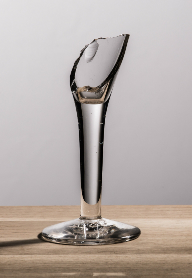
Etched glasses is commonly known as decorative glassware that your customers love and admire. It only becomes a problem when you discover it as an unexpected side effect of continued cleaning in your dishwasher or through general wear and tear. Etched glass is the result of many small scratches that leads to a cloudy and unattractive appearance.
These small scratches are part of a slow and unfortunately irreparable process caused by regular use. Etching is inevitable, but it can be delayed with careful protection.
What is Thermal Shock?
There is a reason China did not produce glass until the end of the 19th century and that’s thermal shock. Place a hot liquid, in this case tea, in a cold glass and you put the vessel under immense strain, making it more likely to crack, chip or shatter – and the same is true of adding ice cubes to a glass fresh out of the dishwasher.
Your glassware will normally have some thermal shock resistance, but the more you expose your glasses to thermal shock, the more you wear their resistance down.