
Chefs Clothing In The Food Industry
Kitchen uniforms are one of the most recognisable work uniforms, with a tradition that dates back to the mid-19th century. French chef, Marie-Antoine Careme, known as ‘King of Chefs and The Chef of Kings’, is credited with inventing the uniform we all wear today.
SHOP ALL CHEF CLOTHINGThe Careme Touch

The tall hats worn by chefs had already been introduced, but Careme wanted to create a more specific uniform to honour the chef. The chefs wore the tall hats and the younger cooks wore shorter hats, more like a cap - it’s believed that Careme wore a hat that was 18 inches tall. Later, the French Master Chef Georges Auguste Escoffier encouraged his kitchen staff to wear suits outside of work to signify professionalism of chefs.
Withstanding the Heat
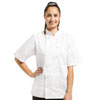
The heat of a busy commercial kitchen can affect your work flow and even health when working in hot and bustling kitchens for long periods of time, so choosing clothing that helps to keep you cool and comfortable through every service is a must. Pick clothing which offers vents or a baggy fit to help air circulate around you, and short sleeves to keep your arms cool. The materials should also be easily washable, to ensure the the jacket, apron, trousers or headwear stay in top condition use after use to help you work at your best.
Branding a Uniform
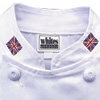
Give your chefs uniform a unique look by embroidering brand logos, flags, or initials onto them. This personal flare gives you and your business a more professional look, whilst showing you care about your uniform to customers. Embroidery can be applied to both front and back of house uniforms.
Chef Jackets
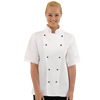
Traditional chef’s jackets are double breasted and feature a crisp, white design, which is where the term ‘chef whites’ comes from. White was chosen to represent cleanliness and professionalism, as the cleaner a chef’s jacket was after service, the more skilled they were at preparing and cooking dishes. However, vibrant colours and black jackets have taken the lime light, bringing a new wave of style to kitchens. White is still the most popular choice for a chef coat, but the rise in on-trend styles and colour is not one to be ignored.
GET YOUR CHEF JACKET NOWChef Trousers
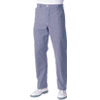
Along with chef jackets, there are chef trousers – also known as baggies. These trousers often have a checkered pattern – most commonly black and white - to help hide small stains. They are usually made of a cotton or polycotton and can come with Teflon coatings to repel spillages and dangerous hot liquids for extra protection. They are designed for all day comfort in the kitchen and easy laundering.
GET YOUR CHEF TROUSERS NOWHeadwear
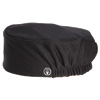
The traditional chefs hat, the Toque Blanche (French for white hat), has been worn by chefs since the 1500s. Today there are a variety of styles of chefs headwear available which range from skull caps to beanies. Some restaurants assign their cooks hats of different sizes to help distinguish rank within the kitchen; executive chefs and sous chefs wear tall hats, while line cooks wear shorter ones. Coloured hats can also be used to indicate job role.
GET YOUR CHEF HATS NOWChef Aprons
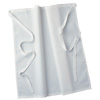
Chef aprons come in a range of styles and colours; from the traditional white aprons made of sturdy cotton, to the traditional striped butchers aprons. While the standard white apron is still favoured by many chefs, there are a variety of styles available not just for back of house, but front of house too, such as colourful waist aprons, bib aprons and four-way aprons. The Chef Works Urban range of denim aprons offers on-trend style that suits modern bars, cafes, restaurants and pubs.
GET YOUR CHEF APRONS NOWNeckerchiefs
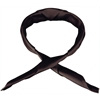
Chefs neckties and neckerchiefs were originally worn to allow for the mopping of sweat from the face, but as this is now against health regulations, they are largely decorative. Neckerchiefs are available in a variety of colours, giving you the freedom to personalise your uniform and create a trendy look, perfect for open kitchens.
GET YOUR CHEF NECKERCHIEFS NOWFootwear
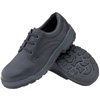
It’s not only clothes that need to be considered in the kitchen, there’s also footwear. A kitchen is a busy environment and spills will occur, so safety needs to be considered. It’s also important to remember that chefs and kitchen staff are on their feet all day long, rushing around to ensure that food is prepared on time. It’s vital that all chefs wear shoes with excellent traction; many chefs wear clogs or slip-on shoes with washable insoles and slip resistant soles. Shoes should also be fully enclosed and provide support for your body and feet.
GET YOUR CHEF FOOTWEAR NOW