
Chef Whites: Representing Tradition

In any trade, a uniform helps to distinguish and protect people. In a supermarket, the colours of the shop used on a uniform and a name badge helps to identify members of staff to customers in need of help. In a factory, safety boots and overalls protect a worker; not just from damaging their clothes, but by protecting them from incidents. Working in a kitchen is the same; chef wear, also known as chef whites is there to serve a purpose, enabling a chef to be easily identified and protected while they work in the hot, and sometimes dangerous environment of a kitchen. Chef wear is an important tool, and each of its distinctive features serves a specific purpose.
The Benefits of Chef Whites
The idea behind chef whites is to represent cleanliness; the job of a chef can sometimes be messy. By the chef wearing whites, it means that if spills happen, they can be spotted and not hidden by the colour of their clothes.
Chef whites have some other hidden benefits too. White is the most reflective colour, so a white chef jacket will literally repel heat instead of absorbing it, meaning that it will keep the chef cooler.
Another benefit to a white chef jacket is that when it comes time to clean it, white cotton can be bleached, so no matter how badly stained a jacket gets, the stains can be washed out and the original colour restored.
Chef Wear Material
As well as cotton being used for chef whites, so is polycotton. Polyester cotton blend is mostly used in the garment industry to make clothing that people want to be able to wash and wear, without having to iron, which will be tougher than a 100% cotton blend and withstand more washing. Polycotton can be more forgiving as it wrinkles and shrinks less.
Chef jackets help to insulate a chef from the searing heat of stoves and ovens, while remaining breathable enough that the body's heat can still escape. On a jacket, long sleeves help protect arms from burns while reaching across stove burners or into ovens.
Buttons on Chef Wear
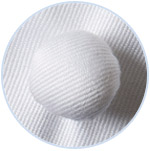
On a chef jacket, even the buttons play a part; the buttons on the clothing are knotted buttons as ordinary buttons can melt or break. This can be dangerous as fragments of the buttons could fall into meals being prepared. Knotted buttons also slip off more easily in the event of an emergency when a jacket has to be removed quickly.
Double-breasted Jackets
As well as being comfortable and practical, many chef jackets are double-breasted; this features double rows of buttons. This is so if the front of the jacket gets stained, the chef can reverse the flaps and reveal a fresh, clean outer layer.