Choosing the Best Restaurant or Pub Insurance Policy
As a business owner, you go to great lengths to protect your business. Adhering to strict cleaning procedures to reduce the risk of cross contamination. Answering customer questions and replying to reviews late into the night. Honing your menu and ingredients over weeks and months. But choosing the best insurance policies can often be overlooked. What do you need to know and do to protect your business from the unforeseen?
Where to Start with Restaurant and Pub Insurance?
As the owner of an establishment, you understand the risks that go hand-in-hand with the hospitality industry. However, when it comes to insurance, there are so many brokers and policies to choose from it can be hard to know what is best for you. So, how can you be sure you are getting the best protection, and what exactly do you need from your policy in order to be covered for any eventuality?
You can never predict when a claim-worthy incident is going to happen on your premises so its best to look at the main elements that could contribute to one.
The Customers
Wherever there is hot food and alcoholic beverages, the chances of a customer having a serious accident or suffering injury is multiplied. From being scalded by boiling coffee or eating undercooked food, to simply tripping over a carpet, any number of things could happen that may incite a claim.
TIP: You can help prevent most incidents by taking precautions, such as using wet floor signs, and carefully checking every dish that leaves the kitchen. Not only does this keep you and your customers protected, but it leads to better customer satisfaction too.
The Employees
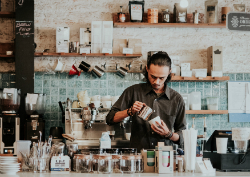
Similarly, your members of staff are at risk too. A safe working environment will protect against accidents, but there is always the risk of an unpredictable situation causing an unexpected injury or illness. For example, if you run a restaurant your kitchen staff will need to be covered against many things, such as injury through burning or hazardous cleaning materials. Waiting staff could easily trip on spilled food, or bartenders may be at risk when changing barrels or carrying boxes.
TIP: Prevention is always the best option – training your staff so they know exactly how to do their job to the best of their ability will help lower accidents in the workplace. From which colour chopping board to use with certain types of food, to manual handling training, there are lots of areas of training that hospitality staff need.
The Premises
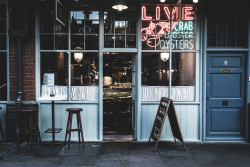
The building itself needs protection as well. It is your place of business and if it isn’t safe or habitable then you will be forced to stop trading, resulting in significant financial losses. From fire, water or storm damage, to theft and vandalism, specialist equipment (kitchen equipment or tills for example) is expensive to replace and without cover, you will be forced to cover the costs yourself.
TIP: It’s worth having an ‘emergency fund’ as well as an insurance policy. Adding a small percentage of your profits to a savings account money each month will help you stay protected against any unforeseen circumstances. This can be used to not only mitigate building damage and repairs, but also to replace old or broken equipment and furniture.
Carrying out a risk assessment will help you analyse these three factors in greater detail and put a plan of action in place. Look at the way your business is run and work out which areas present the most risk and therefore require the most comprehensive cover.
A lot of insurance brokers understand that every business is different and therefore requires a bespoke policy that is tailored to your specific needs. There are a number of specialist brokers out there who deal exclusively with restaurant and pub insurance, so shop around and don’t just settle for the first company you find.
What are the Essential Elements of a Standard Restaurant or Pub Insurance Policy?
Creating a comprehensive policy that encompasses many different features is the best course of action. There are many types of cover, each protecting your business from something different. Read below to find out more about each type.
What is Public Liability Insurance?
Public liability insurance is a vital part of insurance policies within the hospitality industry. This type of cover protects you if a customer or member of the public makes a claim against you. With public liability insurance, the medical, legal, and compensation costs will be paid out by your insurance broker, negating the significant financial losses that can happen as a result.
What is Employers’ Liability Insurance?
Employers’ liability insurance is required by law and similarly to public liability insurance, it will pay out the costs associated with claims made against you by your staff. For example, a waitress is scalded by a coffee machine that has been poorly maintained. She suffers with burns that leave her unable to work and therefore earn. If she decides to bring a case against you, your insurance will pay out compensation, as well as medical and legal costs. Don’t forget that even employees who no longer work for you can bring a claim against you.
TIP: You must have employers’ liability insurance if you employ 1 or more people. You will be fined up to £2,500 per day if you do not have it, and you will also be fined up to £1,000 if your policy is not displayed on your premises (either physically or digitally) for all staff members to see.
What is Product Liability Insurance?
The final liability cover you should consider is products liability. This is of particular use to hospitality business owners like restauranteurs or publicans, as it protects you against claims involving the products you sell – food and drink. If a customer is made ill by undercooked or out-of-date food, or they suffer a reaction to an allergen that has not been fully disclosed, they are within their rights to make a claim. In this event, products liability insurance will mitigate the costs involved.
Buildings & Contents Cover
Your place of business is presented with all sorts of risks on a daily basis. Whether these are in your control – keeping the building secure and ensuring everything is up to code – or completely outside your control – storm damage or a break-in – you need to ensure you are covered.
If you are responsible for the building under the terms of your lease, you need to look in to having buildings cover to protect the bricks and mortar and contents cover for everything that sits within. The amount you insure your building for must be enough to rebuild in the event of a total loss of the premises. If you underinsure your building, you will be expected to pay out of your own pocket in this event.
Aside from the actual building, insuring contents is also vital. You can insure everything from essential back of house equipment such as refrigeration, cooking appliances and cookware to crockery and glassware for front of house.
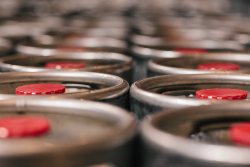
Similarly, you can cover your stock. For example, if your beer barrels are damaged by severe flooding and the beer cannot be sold, your stock cover will pay out the cost of replacing it, so you don’t lose out financially.
Finally, your own personal belongings and things belonging to your staff, such as knife sets, can also be covered by a contents policy. You should discuss all these elements with your broker, who will be able to create a tailored policy that covers the particulars of your business down to the very last detail.
Business Interruption Insurance
In the event of your business being forced to stop trading completely, you will need to make sure you have business interruption insurance.
For example, your local area is hit by a storm that causes significant flood damage to the structure of your building. It can be repaired but it could take weeks until you open your doors to the public again. In this situation, you will need to pay for the repairs, the replacement of damaged equipment and stock, not to mention the wages of your employees who are now unable to work through no fault of their own.
All this, plus you are unable to earn money for the duration of the repairs and renovations. Business interruption insurance guarantees you a wage in the event of your restaurant or pub being inoperable. The amount of business interruption cover you receive is usually based on your gross profit, but you can discuss this in detail with your broker.
Loss of Licence Insurance
If you sell or plan to sell alcoholic beverages, you need an alcohol licence. However, if you lose your licence you will be unable to trade with alcohol.
Having cover for this situation means that you will be paid out to the amount of gross profit you are losing by not being able to sell alcohol. Although claims for loss of license are rare, it is still a feature to be mindful of when organising your restaurant or pub insurance.
How to Find the Right Price for Your Policy
With so many companies to choose from, making your way through the fog to find the right policy and provider for you can seem like a minefield. It is important to shop around and not settle for the first price you get.
Bear in mind that the more comprehensive your policy is, the more expensive it will be. Having said that, there are certain factors that influence the price of your insurance.
The location and size of your business affects the price of your premium. If you run a small country pub out in the sticks that has dedicated regulars but few walk-ins, you are likely to pay less for your premium than a large inner-city bar that caters to students. A small café that serves cold sandwiches will be less to insure than a high-end curry house serving sizzling platters.
Equally, the amount of excess you pay will also influence price. If you initially choose to pay more in the event of a claim, you will more than likely get a reduced price for your premium. This is where a pot of savings helps.
Essentially, the level of your insurance can mean the difference between success and failure. Although it can feel like a waste of money paying to insure against situations that may never occur, the risks of not being protected in these situations makes it worthwhile.
Running a restaurant or pub is a volatile job at the best of times, and if you can protect your business from elements outside your control, you probably should.
FAQ
How much does restaurant insurance cost?
The average public liability insurance premium in the UK is around £120 per month. However, the cost of your policy will depend on many factors, such as location, business type and size, local statistics (such as crime rates and flood risk) and much more. Your premiums can increase as you add more cover to your policy too. See the examples above for more information on what you should add to your policy and remember; shopping around is the best way to get the best price for your cover.
What insurance do I need for a pub?
As mentioned above, there are many types of cover available depending on what you want to protect yourself against. Loss of License cover protects you in the event you lose your license to sell alcohol. You can also get cover that protects you in the event your premises is damaged and needs repairing, or if your stock is damage and needs to be replaced. Pub cover varies from business to business, and it’s best to speak to other pub owners to see what cover they have, or a broker to see what is on offer.