
What is an Electric Fly Killer?
In a commercial kitchen, an electric fly killer (often simply called a fly zapper or insect trap) is a vital tool which helps you to control pests. By attracting and electrocuting flies and other flying insects, your food areas are kept hygienic and pest-free.
View All Fly Killers NowHow Do Electric Fly Killers Work?
There are two main types of electric fly killers. The traditional electric ‘zapper’ and the less common glue board. Each works in a different way and has its own benefits:
Fly Zapper

A fly zapper has two main components – fluorescent ultra-voilet tube bulbs and an electrified metal grid. As most flying insects are attracted to bright ultra-violet light, the bulb helps to entice the pests onto the electrified grid, which then vaporises them on contact.
- Effective: kills in an instant.
- Mess-free: dead insect debris drops into an easy-clean collection tray.
- Low maintenance: aside from the occasional bulb change and cleaning, electric fly zappers take very little maintenance.
Good to know: particularly large or stubborn insects may take more than one zap to kill. In addition, not all insects are attracted to ultra-violet light. Just like humans, some flies can be colour blind too!
Glue Board
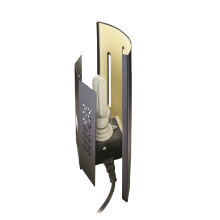
Glue boards are sometimes called glue traps or just fly traps. Working in a similar way to a zapper, the glue board uses a fluorescent ultra-violet light to attract insects, which are then trapped against replaceable sticky boards.
- Quiet: aside from the noise of a fluorescent bulb, glue boards are otherwise silent. No tell-tale zapping noises when a fly is caught.
- Discreet: as there’s no need for an electrified grid, glue boards are usually smaller than zappers.
- Clean: glue boards are really easy to keep clean - you simply change out the board when required.
Good to know: once a fly is caught, it will stay there until you replace the board. For hygiene, it’s important to change the boards regularly. During hot summer months, this may need to be done weekly.
Check out: For some interesting fly facts and figures, see our handy print-friendly fly killers infographic.
Fly Killer Positioning
Coverage
Every electric fly killer on this site has a coverage rating, usually rated in metres squared. This is the maximum room area that the fly killer can operate effectively in if the fly killer is placed in the middle of the room. If the room exceeds the maximum coverage area, you may need more than one fly killer to ensure adequate coverage.
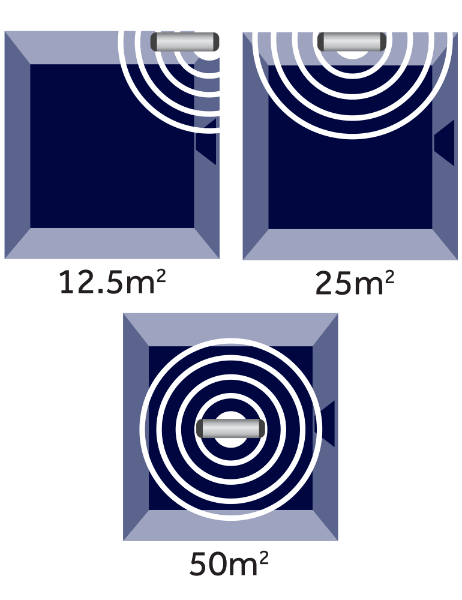
TIP: If the fly killer is positioned against a wall, the coverage area is effectively halved. Consider where you will position it before purchase.
Where to Position a Fly Killer
- Not visible from outside: The majority of insects come in from outside, so it’s important your fly killer doesn’t entice even more bugs in. Make sure it’s not directly facing doors, windows or even mirrors which face outside.
- Height: The average flying height of insects is around 5 to 8 feet (1.5-2.5 metres). Positioning the unit at this height maximises its effectiveness.
- Not above food prep or dining areas: depending on the size or type of insect, some may ‘explode’ on impact. This is called blow out. As such, its important fly killers aren’t positioned anywhere insect debris could fall into food.
- Away from other light sources: as insects are attracted to bright lights, fly killers can be less effective if they are competing with other light sources.
- Above doors: The ideal position for your fly killer should be between the most likely point of entry and the food. Therefore, just inside and above doors is common, as insects are lured away from prep areas without being enticed into the building.
Tip: chain door fly screens are a great first line of defense against flying insects. Where you need to leave kitchen windows and doors open, these allow fresh air in, whilst keep most bugs out.
FLY TIPS
The effectiveness of your fly killer depends on its surrounding environment and coverage. However, there are more ways to maximise its effectiveness and reduce the number of flies in your premises.
- Move your waste away from the kitchen: Any leftover food, even trace amounts found on packaging may be attracting flies, so if possible try to keep your bins away from the food prep areas.
- Minimise waste: For most food businesses it really helps to have a waste compactor to help reduce volumes of waste. Less food waste means fewer flies. Use commercial grade bin bags and tie them tightly to conceal organic matter from pests. Make sure to put filled bags straight into outside bins. If your outside bins don't close tightly, get them repaired.
- Keep it clean: an effective cleaning schedule will make your space less attractive to flies. This should include your equipment, paying attention to the spaces underneath and behind your appliances. Routine cleaning also helps to reduce the likelihood of other pests such as rats and mice.
Tip: find a list of recommended commercial kitchen cleaning procedures in our Ultimate Kitchen Cleaning Guide.
Frequently Asked Questions
What is the most effective fly killer?
All the models on this site are highly effective. Weigh up the advantages described above to decide which type is best for your particular site.
How much electricity does a fly killer use?
Depending on its size, electric fly zappers use between 20-45 Watts to power the bulbs and electrified grid. Glue boards use a little less - around 11 Watts.
Why do flies ignore my zapper?
Infra-red bulbs can deteriorate over time. If you haven’t changed the bulbs in a while, it’s likely that swapping them out will get the flies interested again. It’s recommended to replace bulbs at the start of spring every year.
If you’ve got a brand new zapper which doesn’t seem to be luring insects in, make sure you haven’t got any other bright light sources nearby which could be interfering with the zapper.
Do fly zappers kill bees?
Although primarily designed to kill flies, other flying insects such as moths and beetles can find their way onto the electric grids too - including bees.
Why are my fly zapper bulbs flickering?
As with all fluorescent bulbs, a small starter sends electricity through the gas inside the tube to provide light. If the starter fails, or isn’t fitted correctly, the bulb might not illuminate fully. In most circumstances, you can simply re-seat the starter or replace it if it’s faulty.
Can you use fly spray in commercial kitchens?
No. Fly sprays can contain insecticide which causes chemical contamination. Don't use fly sprays in any food preparation or dining area.
Can you use fly paper in commercial kitchens?
Fly paper might be useful in the home, but there’s no place for it in a restaurant. Whilst effective at catching flies, fly paper often contains insecticide which shouldn’t be in any kitchen.
Are fly zappers safe?
Not to flies. For everyone else, fly zappers are perfectly safe if positioned correctly and used according to the instruction manual.


