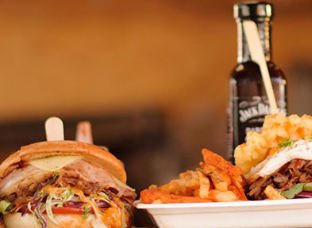
Festival catering
Forget sun, sea and sand – for many Brits today summer means one thing: festival season! And with millions of us trekking through the mud to the main stage last year alone, this offers caterers a huge audience from which to turn a tidy profit. After all, three to four days of music and mayhem is thirsty (not to mention hungry) work!
But before you dive in, there’s a few things you’ll need to consider – namely how you go about catering at a festival and whether you should do it at all.
Read on for our top tips on turning the mud, sweat and tears into profit.
shop all festival catering supplies nowWhy cater at a festival?
Access to Customers

Like anything, there are pros and cons to dipping your toe into the festival catering circuit.
The biggest advantage here is the sheer number of attendees most festivals attract – Glastonbury pulls in a whopping 210,000 guests over the weekend.
While most other festivals won’t see this level of footfall, you can still expect upwards of 10,000 guests at most.
But the thing that makes festival catering so attractive is the fact you’ll often have exclusive access to a captive audience for a whole weekend.
Most festivals discourage guests from venturing outside the event gates, meaning you and your fellow vendors become the sole source of food for thousands of famished festivalgoers. And with most eating 2-3 meals a day - or more! - that’s a potential 30,000 customers at even an average-sized festival. How’s that for footfall?
Translate those numbers into sales and your potential for profit is huge.
Festival Attendance: how many people go?*
Large Scale
- Glastonbury: 210,000
- Download: 150,000
- Reading & Leeds: 90,000
Medium Scale
- Isle of Wight Festival: 55,000
- Wireless: 50,000
- Latitude: 45,000
Small Scale
- Green Man: 25,000
- Shindig: 10,500
- ArcTanGent: 5,000
*Based on 2025 attendance
Advertising & Promotion
And it’s not just the potential sales you could drum up that makes festival catering so exciting – the opportunities for free marketing are enormous. Snare a pitch at Glastonbury and you could be advertising your brand to nearly 210,000 attendees!
This can make festivals a brilliant way to promote your business. So good, in fact, that even big name brands are getting on board: StrongBow put up a huge 12m-tall ‘tree’ at the Isle of Wight Festival in 2015, complete with its own DJ booth and sit-down bar. A bit extreme maybe, but a good indicator of how seriously even larger brands take festivals as a promotional opportunity.
And it’s not only these big brands who can benefit – setting up shop at a festival can give even the smallest business a boost. Remember, you’ll have three or more days of exclusive access to an audience who can’t, or won’t, leave the site. Simple things like handing out flyers, making your stall as eye catching as possible and handing out samples can turn this captive audience into a fantastic marketing opportunity. Get your name out there and a larger customer base, new social media followers and – ultimately – higher profits can, and will, all follow.
Morale
Last but not least, festival catering is a great way to boost staff morale. Swapping the confines of a hot kitchen for the electric atmosphere of a festival can really give staff a boost. Plus, caterers usually get access to the festival itself, making those hours behind a hot griddle in the summer sun that bit more bearable. What’s better than blowing off some steam to your favourite band after a hard day’s work - especially when it’s free?
What can I earn from festival catering?
So, now you know the benefits of catering at a festival, it’s time to look at whether it’s worth your time. After all, the benefits above are all well and good, but if you’re unlikely to turn a tidy profit, festival catering can be a lot more effort than it’s worth.
But don’t let the hard work needed put you off! Get it right and you could walk away with a very tidy sum once all is said and done.
Just make sure you work out what you’re likely to make before you take the plunge. Unsure how? Do it quickly and easily with our top tips below.
What’s the Maximum I Can Expect to Take?

With the massive footfall festivals pull, the potential for profit is certainly there. But how much does the typical festivalgoer part with over the course of their weekend?
A lot, actually!
The Association of Independent Festivals (AIF) 2025 report focuses on industry-wide mapping - identifying 592 music festivals in the UK and 148 AIF member events - it highlights that audience spend continues to increase. The most recent specific, comprehensive figure released by the AIF prior to this report showed an average spend of £483.14 per festival attendee.
This includes the ticket cost, but account for this and that still leaves about £200+ for every attendee.
For a mega-festival with 175,000 revellers on site at any one time, this amounts to a staggering £35 million parted with over the course of the weekend.
TIP: The average attendee spends about £200+ on food and drink over the course of their festival stay
How to Calculate Your Takings
What you need to do is calculate how much of that £35 million you can expect to pull in over the course of the weekend.
The easiest way to do this is to figure out the maximum number of dishes you can serve per day. To do this, first look at how long each dish takes you to make. Say it takes 3 minutes from ordering to serving, that means you can serve up an absolute maximum of 20 portions an hour per server.
Next, think about how many hours you can feasibly expect to be serving. This will depend on the number of staff you take and the hours you can expect festival guests to be up and in search of food. Say you serve for 10 hours a day, that’s 200 meals per server.
Finally, think about how much you’ll be charging. With festivals usually refusing to allow attendees to leave the site for the duration of the weekend, this gives you and your fellow traders exclusive access to an army of famished festivalgoers. The main benefit of this? The opportunity to charge whatever you like – within reason. Festival goers expect to pay a little extra while inside the Glasto bubble, so where £8.50 for a burger might leave a bitter taste in the mouth of your customers on the outside, charging this much will put you bang on average at a festival.
Of course, there are benefits to charging less too – undercutting the competition and winning you a bigger slice of the attendees being the ones that come to mind. It can be a tricky balancing act to get right: lower price likely equals more custom; high prices equal more profit per sale. But get it right and you’ll have a weekend to remember.
Whatever you choose to charge, times this by the number of meals you can feasibly sell over your stint and you’ve got your maximum income. For example, if you have 5 servers pumping out 20 dishes each per hour, that’s 1000 meals a day. At £9, that’s a potential £9,000 a day, or £36,000 for a four-day stay – a tidy sum.
And that’s before you add in the extras. Account for drinks, snacks and all those little add-ons and you could add thousands of pounds more to your daily takings.
How to do it
- Find out how many minutes each dish takes you to make
- Divide 60 by the time it takes for you to make one dish (in minutes) for your dishes-per-hour rate
- Times this by number of hours you’re planning to serve for. This will give you your daily rate
- Times by average cost of dish for your daily takings
This gives you your average takings per server.
TIP: Consider your prices: higher might mean a larger profit margin, but lower could mean more sales. Get it right and you'll have a weekend to remember

Multibuy savings


Multibuy savings
Multibuy savings


Multibuy savings
What will festival catering cost me?
Here’s the inevitable drawback of catering at any festival – the cost. Pitch fees, logistical costs and everything in between can soon rack up a hefty bill that can turn a stint at Glastonbury into a weekend to forget. The key to figuring out whether festival trading is for you is to minus these costs from your maximum potential takings. Do that and you’ll have a good idea of what you’re likely to earn over your stint.
So what do you need to factor in?
Festival Catering Pitch Prices

The biggest outlay you’re likely to make is your pitch fee. Prices here can vary widely. According to the Nationwide Caterers Association, prices range from a few hundred pounds at smaller festivals to a whopping £10,000 (or more) for a plot at a big name event.
If the pitch cost alone outstrips your maximum potential takings, it’s clearly not worth your time catering that particular festival.
Stock Costs
If you can easily cover the pitch cost, however, you’ll next want to look at the additional expenses you’ll be racking up. Stock is likely to be among the largest of these, and getting it right can be tricky. Bring too little, and you’re cheating yourself out of potential profits, too much and you’re heading toward a costly waste bill.
The best way to decide how much to take with you is to again look at the maximum number of dishes you can expect to serve. Tailor the amount of stock you’re likely to need to this figure and you can’t go far wrong.
Staff Costs
Once your stock costs are calculated, you’ll next want to factor in your staff costs. Wages are the obvious consideration here, and shouldn’t be too difficult to calculate – but you’ll also need to account for other hidden extras. Think travel costs, food for your workers and optional expenses like new uniforms (if you’re looking to make an impression) and maybe even bonuses if you want to give your staff an incentive to really push the boat out.
Organiser's Cut
The last major expense you’ll want to account for is the organisers’ cut. Not all festivals charge this, but larger events like Reading & Leeds will typically demand between 25-30% of your final takings. This might seem extortionate at first glance, but with the huge potential for profit always there, many caterers simply take this extra surcharge in their stride.
It’s not ideal, but festival catering can still be massively profitable even after the organisers’ cut is taken. Don’t let it put you off.
TIP: The organiser's cut can often seem high, but as potential for profit at festivals is so huge, many traders simply take it in their stride
Music Licence

Keeping the festival feeling going can help set the mood for customers and staff alike.
And it can also help attract more potential customers by making your stall, stand or truck stand out.
Usually when playing music aloud – whether you’re a restaurant or hair salon – you’ll need a music license.
Some festivals may cover caterers playing music under the umbrella license of the festival itself, but if not you may need to shell out for one on your own.
Luckily, this isn’t usually too expensive, and getting caught without one can lead to a hefty fine, so it often pays to invest.
Check whether you’ll need a license before you set out and you’ll be fine.
Amenities
Finally, you’ll want to look at the cost of your amenities. Power, water and waste will usually be supplied (although this may not be the case at smaller festivals) and access to each will be charged. Prices vary from festival to festival, so your best option here is to contact the organisers for a rough estimate.
Average Expenses
Once you’ve chalked up all these costs, you’ll begin to see what you’re likely to have to stump up to trade at a typical festival. Below is an example of what you might end up shelling out.
| Outgoing | Cost (£s) |
|---|---|
| Pitch Costs | 5,000 |
| Staff Costs (5 staff x 10 hours/day x 4 days) | 1,500 |
| Travel to & From Venue | 500 |
| Amenities | 500 |
| Stock Costs | 2,000 |
| Organiser's Cut | 9,000 |
| Total | 18,500 |
Scroll left and right to view the table on mobile
Profits
Now you know your maximum potential takings - and the costs you’re likely to rack up to pull in those takings - you can calculate your potential profit. Here you’ll begin to see whether it’s worth your while to trade at a festival.
Say, as above, you’ve figured out you can take £36,000 over the course of the weekend. Minus the above costs, and you’re still likely to walk away with £17,500.
And remember, the organiser’s cut may not even be taken, so your take-home could be as high as £26,500. Not bad!
Which festival should I cater at?
So you’ve decided catering at a festival is something you’d like to try. The next question to answer is 'which one should I serve at?'. And there’s a few things to consider before taking the plunge.
Consider the Demographic
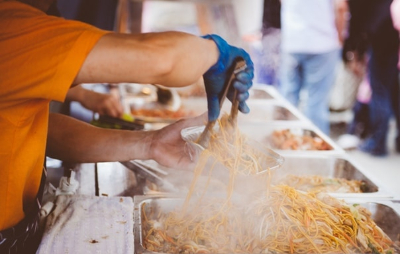
First off, think about the type of cuisine you’re serving, and whether the typical clientele of the festival you’re looking at are likely to respond to it.
For example, if you’re selling the classic festival fare of burgers, chips and hotdogs, are an upmarket audience at an artisan festival of over-30s likely to flock to you? Maybe not. Are an audience of hungry 20-somethings looking for a quick meal to swill down with a pint more your audience? Probably.
Paul Reed, general manager at AIF, agrees: “It’s not necessarily a numbers game in terms of footfall. That doesn’t matter if everyone is walking past your stall but not engaging. It’s about reaching the right audience.”
It can be a tough one to figure out, but being aware of your typical customer base and matching it to the demographic of the festivals you’re looking at is an easy way to ensure you find your crowd.
Fill the Niche
The second thing to consider is the number of other caterers doing something similar to you. If there are four other vans selling noodles at a 10,000-person festival, it’s likely you’re all going to be fighting over the same portion of the crowd. Offer a cuisine that’s otherwise lacking from the food offering and you’re more likely to pull in a decent portion of the footfall.
This isn’t so much of a problem for mega-festivals like Glastonbury with a footfall in the hundreds of thousands, but for small-to-average-sized ones, it’s certainly something to keep in mind.
TIP: Do something different - offer a type of cuisine that's missing from the festival and you're sure to find an audience
Embrace Out-of-Season Opportunities & Local Events
Music festivals aren’t the only events worth catering at – and it’s certainly not just the summer sun that’ll pull in a festival crowd. Think Bonfire Night gatherings, Christmas markets and other out-of-season events – all these offer caterers a year-round festival-like circuit from which to turn a tidy profit. And with – typically - fewer caterers at these events, you’re likely to find less competition.
And then there are food festivals, whose typical clientele of enthusiastic foodies is a godsend for any caterer serving something slightly outisde the norm. Although turnout may not be enormous, the chance to generate a buzz among the food-fanatical in the social media age can really help to get your name out there and earn you a solid customer base.
Article: Need tips on promoting your business online? Check out our article on Social Media Marketing Tips
Smaller local events can also be well worth your time. Low fees and the chance to drum up local interest in your business shouldn’t be ignored. There’s also lower logistical costs to take into account, making them a lucrative little earner if done correctly.
Article: Undecided on whether food festivals are worth your time? Read our guide on Exibiting at Food Festivals for the pros and cons
Calculate Pitch Price
As already mentioned, pitch price is likely to be your biggest expense. You can often barter a better price (read on for tips!), but for larger festivals where competition for a spot can be fierce, this may not be an option. Again, look at the maximum you’re likely to earn and weigh this against what the organiser is asking for. If the pitch price seems excessive, give it a miss and move on.
Festival catering bestsellers: What should I serve?

You’ve picked which festival to cater at, now you’ll need to choose what food to serve while you’re there.
This takes a little thought, but whatever you decide to go with, it’s a good idea to keep your menu as small as possible. Pick a few favourites you’re familiar with making and this will help you cut down on your stock costs, minimise your serving time and ensure your menu is easy to read at a glance.
It’s also a good idea to look at what sells. According to the UK Festival Market Report 2017, festivalgoers’ favourite foods are (in order): pizza, burgers, wraps, Mexican food and chips & dips. So picking one of these festival favourites is the best way to guarantee you pull in a portion of the profits.
A major plus in regards to all of these cuisines is that they’re pretty simple to whip up, with relatively few ingredients and little prep time - so whatever you choose to go with you can’t go far wrong. Below we’ve set out what it’ll cost you to make some of Brits’ best-loved festival fare, and how much you can expect to pocket from each dish sold. We’ve also laid out the essential kit you’ll need to create each.
Pizza
According to a study by the Daily Mail, the typical pizza should cost you around £1.50 to make. The toppings you choose to add will obviously drive up the costs a little, but taking £1.50 as the average, pizza can be a quick and profitable earner. Below is what you can expect to make from each one you sell.
Costs
£1.50
Retails At
£12
Profit
£10.50
What kit will I need?
- A decent commercial pizza oven, for a crisp bake
- Pizza utensils, such as paddles and pizza wheels, for decanting and slicing
- Disposable pizza boxes to serve
Burgers

Quick, tasty and full of opportunities for customisation, there’s a good reason burgers are a favourite with festivalgoers and traders alike.
According to Forbes, a standard, no-frills patty should cost you around £1.50 to produce.
As with pizza, what you top your burgers with will obviously affect the cost, but unlike pizza, here the raw ingredients your burgers are made from can differ wildly in terms of cost.
A gourmet burger, Forbes say, could set you back as much as £3 – double the cost of a standard one.
With this in mind, it’s worth looking at the clientele of the festival you’re catering at before deciding what type of burger to rustle up.
A high-cost gourmet burger at a teen-heavy festival? Maybe not the smartest move. But offer the same at a foodie festival and you’re on to a winner.
Costs
£1.50 - £3
Retails At
£7 - £12
Profit
£5.50 - £9
What kit will I need?
- A commercial griddle, for quick cooking with minimal mess
- Sauce bottles, essential for giving your burger that extra zing
- Takeaway food containers, preferably purpose made burger boxes, to serve
Burritos
Mexican is the perfect street food. Easy to eat with your hands, delicious and simple to make, it’s long been a favourite with diners on the move – making it a perfect fit for festivals. Forbes puts the average cost to knock up a burrito at £1.60, which also makes them a lucrative little earner for traders with the skills to make them. Again, the extras you choose to offer can add a little to your cost, but the speed with which burritos can be made makes them perfect for any food stall with a high footfall of hungry punters.
Costs
£1.60
Retails At
£9
Profit
£7.40
What kit will I need?
- A bain marie to keep your delicious fillings piping hot and ready to serve
- A commercial hob, to cook up big batches of filling
- Gastronorm pans, to keep your prepared ingredients fresh and readily to hand
How to get a festival catering pitch
So you’ve made your choice, you know where you’re catering and have figured out your likely takings and costs. You know what you’re going to sell and what you’ll need to make it. Your next step is making a pitch for a pitch.
Barter
According to Paul Reed, general manager of the Association of Independent Festivals, festival food is quickly becoming as much of a draw as the bands themselves – attendees are increasingly expecting more than the soggy burger and warm pint of old.
This puts you in a strong position as a caterer – the event needs you as much as you need it, especially if you’re offering something a bit different. However, festival pitches are often hotly contested and this can make snaring one a bit of a challenge. At Glastonbury, for example, the number of caterers vying for a spot will far outstrip the number of available pitches themselves. This means costs are likely to be high, with very little financial leeway (if any) afforded you by the organisers.
For a smaller festival, however, you’re more likely to be able to barter a fair price. If you have your maximum take-home outlined, use this as a guide as to how much you’re willing to pay. You might not get a rock bottom price, but you might get close!
Fit the Profile

Looks aren’t everything, but if your stall’s face doesn’t fit you may find yourself being rejected at the first hurdle.
Glastonbury, for example, says this: “The online application process requires you to upload photos of your stall and products. We look for creative and aesthetically pleasing stalls which fit in with the ethics of the Festival.”
So, getting creative and putting a little time and effort into how your stall looks is well worth your time – and might just be the added extra that wins you a hotly contested pitch.
Pick Your Position
The price of your pitch will depend on its position. And each position offers unique opportunities for caterers to capitalise on.
If you’re a breakfast van, for example, the most logical spot for you to take up is in the campsite itself.
With tens of thousands of hungry campers looking for the nearest fry up, offering bacon baps within stumbling distance of your customers’ tents is a sure-fire way to turn a profit.
This is less likely to be so if you’re positioned next to the main stage. Here, something more substantial is likely to sell well, where lunch and dinner are the order of the day.
Festival catering tips: soothing the pain points
Festival trading is a learning curve. It can be fun, exhilarating and profitable. But it can also be difficult if you don’t do the basics well. Here’s some of the common pitfalls that can upset first-time festival traders, and the simple ways you can avoid them.
Take Enough Change
Some festivals now offer credit-loaded wrist bands and other hi-tech ways for attendees to pay for food and drink. But in the main, most will be paying with cash. This poses the obvious issue of change. You don’t want to be turning down customers (or lowering your prices) in response to something so easily remedied as not carrying enough change. Stock up before you set out and you’ll thank yourself later.
And with all this change flying around, it’s a good idea to keep your takings secured, safe and sorted. Think cash registers, a coin counter and even a safe if your weekend is looking particularly lucrative.
Keep Your Staff Happy
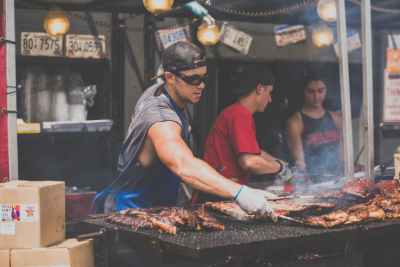
Your staff are the lifeblood of your business. Keep them happy, and your weekend will run much smoother.
Make sure they’re fed well, watered and are given enough breaks from the organised chaos of the festival kitchen and you’ll have a well-oiled, productive machine that’ll more than pay for itself in the long run.
There’s other ways to do this too: why not put together a list of the bands your team members want to see, and schedule their shifts around the times they’re playing?
As they’ll likely be getting free access to the festival itself, it makes sense to make this easy-to-overlook perk as beneficial as possible - both for your staff and you.
After all, a happy staff is a productive staff.
TIP: Boost morale by making a list of bands your staff want to see and scheduling their shifts around this.
Manage Your Queues

While a huge queue is a sign you’re doing something right, it can also put off additional customers.
Turn a single file queue into a less intimidating two or three-line one with simple barrier systems and you’re much less likely to see would-be customers trailing off in search of somewhere with a smaller queue and shorter wait time.
Barriers are also a great way to market your business – fit them with your company logo and you’ve got a tailor-made billboard just for you.
Depending on how adventurous your logo is, you might just become a meeting point for separated groups and stragglers too, keeping the footfall around your pitch that bit higher.
Win win!
Get Insured
Festival catering isn’t always smooth sailing. Damage, theft and loss of profits can all put a dent in your big weekend. So preparing for the worst is always a good idea. There are a few types of insurance you need to have – Employer’s liability insurance, for example, which, as you’ll know is a requirement for any employer – and others that are wise to have – like stock cover, which reimburses you for lost stock, or breakdown cover, which recompenses you for profits missed if you break down en route to the event.
It’s an additional expense, but the pains that can be avoided by having the right insurance make it more than worthwhile.
Have Fun
Festival trading has made many a business. By considering the points laid out above, you can minimise the chances of a festival flop, and it might become something you end up doing year on year.
The key is to enjoy yourself – at the very least, catering at a festival can be a break from the norm, one that’ll give you new ideas, refresh your staff and get your name out there to new and receptive customers.
Take the plunge and it might just be the best move you’ve made for your business. Good luck!