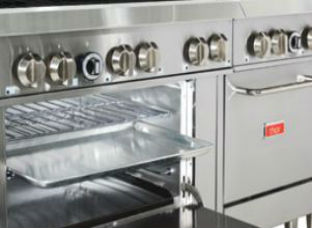
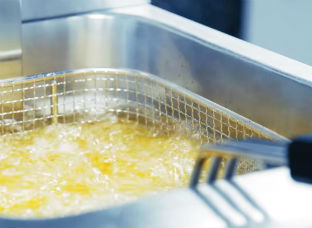
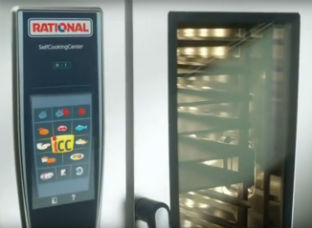
Installing Gas Appliances in Commercial Kitchens
Installing a new gas appliance in a commercial kitchen might sound like a complicated process, but it doesn't have to be. As long as you follow the correct advice and use fully qualified and accredited professionals, you can have a powerful new cooker or hob ready to go in next to no time.
This guide should help you understand the full process, from ordering your machine to the final installation sign-off.
Please note if you’re not absolutely sure, we highly recommend seeking advice from a Gas Safe registered engineer as to whether an appliance is suitable for positioning in your business. A full list of Gas Safe engineers is available on the Gas Safe Register.
Why Use Gas?
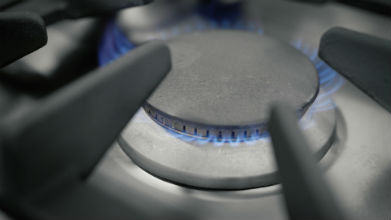
Even though electricity and induction cooking is widespread, gas is still considered to be one of the most popular cooking fuels in the professional kitchen. Here’s why:
- High heat: whether you're cooking flambé or just boiling a large pot, you can achieve the cooking results you're looking for quickly. Even large commercial oven ranges heat up fast in comparison to electric versions.
- Saves waste: although most gas appliances are controlled by a manual dial, the responsiveness you get is very precise, meaning it’s easier to regulate temperature quickly. That means fewer burnt dishes or spoiled sauces.
- Even heat: gas hobs evenly distribute heat across the bottom of the pan, meaning there’s fewer hot spots and food is cooked more evenly.
- Economical: gas ovens and burners tend to be cost-effective to run in comparison to electric models, although the price of both gas and electricity supplies are subject to change.
- Woks: although there are electric hobs which are specifically designed for woks, gas is by far the most popular and traditional fuel for wok cooking.
- No electrics: older buildings or kitchens in rural areas can sometimes be quite limited in terms of the load which can be put on the electricity circuits, so gas is a great alternative. It’s worth noting that some gas appliances may still require an electricity connection if they have digital functions.
Natural Gas or LPG?
The two most common types of gas used commercially in the UK are natural gas and LPG. On the whole, there’s not a huge difference between cooking with the two types, however there are a few important aspects to consider.
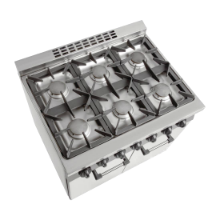
Natural Gas
Often simply called mains gas, natural gas is common in urban areas with good access to utilities. Natural gas is supplied directly from the grid and usually costs to keep connected, even if it’s not being used.
- Direct, permanent connection: gas hoses connect directly to a mains supply, meaning there’s no fiddling with hoses after installation. Simple.
- Reliable: no down time - cook as long as you need to without ever having to change a gas bottle.
- Economical: natural gas has historically been very cost-effective to cook with.
LPG/Propane
LPG or Liquefied Petroleum Gas is popular in the mobile catering sector, as well as in areas where mains gas isn’t available. Propane is highly efficient and is usually supplied in large canisters or cylinders.
- Portable: as there’s no need for a permanent connection or access to a mains pipe, you can take the fuel to areas where power might not otherwise be available.
- Independent supply: as long as you’ve got a full canister, you can cook. Although it’s unlikely, natural gas connections can temporarily be shut off if there’s a leak or other problem in the network.
- Powerful: LPG has a higher energy content than natural gas, meaning less gas is used to produce the same amount of heat.
- Storage: importantly, if you’re running LPG appliances, you’ll need to safely store the gas cylinders before, during and after use. Make sure you’ve got enough room for this before choosing LPG.
- Delivery schedule: to keep a constant supply, you’ll need to arrange regular deliveries and collections of the canisters. It’s fairly easy to set up, but it’s another important task which will need to be put onto your busy schedule. A missed or short delivery could leave you without the ability to cook.
TIP: Some appliances can use either LPG or natural gas. Where this is possible, the unit may need to be converted with a separate kit - check the product details for more info.
Planning a Gas Installation
There are four main processes which must all be successful in order to end up with an effective, safely installed working gas appliance:
- Choosing the correct appliance
- Ensuring the premises are suitable
- Delivery
- Professional installation
1. Choosing the correct appliance
Whilst a new appliance can make kitchen life much easier, the wrong product can be a costly mistake. Make sure to do your your research before purchase.
If you're not sure about a product, there are many informative guides on this site to help you choose. Some particularly useful guides for gas appliances are listed below, however many more helpful guides are available on the Cater hub.
Picking a commercial oven
Combi ovens explained
Buying a commercial fryer
2. Ensuring the premises are suitable
Once you've chosen a gas appliance, it's important to make sure that your premises are suitable before purchase. If there's a problem with the site, or if the product details haven't been checked carefully, the engineer may not be able to install the unit first time. This could potentially lead to another call-out once any issues have been rectified.
It’s also possible that the unit could be completely unsuitable, which could result in a costly re-stocking fee. To avoid that, a site survey may be arranged. This can be completed either over the telephone or by a visit to your premises. A site visit may be chargeable. The following conditions are often checked:
- Size: will the product fit through internal and external doors to reach its end position?
- Gas type: do you have mains gas or LPG on site? If you have multiple natural gas appliances, will there be sufficient gas pressure to operate all the units?
- Extraction: gas appliances require kitchen extraction for the comfort and safety of staff working there - will the existing extraction be sufficient?
- Gas interlock systems are an added safety feature which MUST be installed if you’re using gas appliances indoors. The interlock is directly connected to your extraction and acts as a failsafe. If the extractor fails, or if airflow is insufficient, the interlock will restrict the flow of gas, helping to prevent accidents caused by a dangerous gas build-up.
- Gas Safety certificate: if you've already got gas appliances on site, there must be a valid Gas Safety certificate for the premises before installation. Installations cannot proceed without this certification. If it's a new site, or if the install is for the first gas appliance on site, the engineer will issue a job report which confirms the work complies with gas safety regulations. A separate gas safety certificate will need to be obtained for the site.
- Utility points: Check how far the gas connection is from the planned position of the appliance. If the unit also requires electricity, are there any plug sockets available nearby? A successful installation requires utility points within one metre of the appliance.
- Kitchen environment: is there anything else which would conflict with the running of the kitchen? Perhaps an oven door opening could cause a potential hazard. Maybe the unit creates a lot of heat - would that affect your refrigeration? Consider the other appliances in your kitchen.
- Plumbing: although this guide is primarily about gas installations, it’s worth noting that many gas appliances may also require a permanent water connection, especially gas combi ovens and steamers. A common misconception is that plumbing is just an "in" connection. Remember that where water is used, access to drainage will also be required. If you’re installing gas appliances which need access to water, they’ll need to be positioned within one metre of the utility points.
- Water filtration: if your appliance is plumbed in, limescale can cause significant damage and can lead to expensive repairs. It’s easily preventable though – if your water supply is medium or hard, you’ll very likely need to connect a commercial water filter to your appliance.
TIP: It's a legal requirement to have sufficient extraction and a working, well-maintained gas interlock system.
3. Delivery
Having chosen a product and confirmed the premises are suitable, delivery can be booked in. For most large gas appliances, delivery is kerbside delivery only. This means the transport company will deliver to the nearest ground floor access point possible to the address. In most circumstances, delivery drivers will not move the unit further into the site.
- Ensure access and parking are available for the delivery time slot.
- Make sure to check the unit and any packaging for signs of damage before signing.
- If the item is especially large or heavy, make sure to have enough help on-site to move the unit to where it needs to go.
- Position the unit where it will be used - this should be within one metre of the utility points. If the unit is a replacement, position the new appliance close by in an accessible place within the same room.
- Remove all the packaging and dispose of it responsibly.
- If you subsequently find any transit damage please call us within 24 hours of delivery.
4. Professional installation
Once the appliance has been delivered installation can be scheduled. The engineer will carry out a number of tasks once they arrive:
- Double check the job requirements before starting.
- Thoroughly check that the unit is ready for installation, using the criteria above. In the event of a problem, the engineer will discuss possible remedial actions. The engineer will also agree who will do these and to what timescales.
- If the unit is ready, the engineer will safely install the unit, making it operational and ready for use. The installation will comply with BS6173 - installation of a gas appliance.
- Carry out some limited, appropriate testing to check the unit’s primary functionality is available.
- Confirm installation completion with you, providing appropriate documentation showing the work which has been done, with any supporting data/measurements.
Professional Gas Installation Pricing
The below provides a rough guide as to how much professional installation costs for both gas and electric appliances. There are two types of installation:
Install Only is just how it sounds - professional installation and relevant certification by a fully qualified engineer.
Install Premium is a good choice if you're replacing an existing unit as this service also includes disconnection, removal and recycling of the replaced appliance. Please note that the engineer will not take existing units away - a separate collection will be arranged.
4 Burner Oven Range
Install only - £420
Install premium - £607.50
Install only - £382.50
Install premium - £570
6 Burner Oven Range
Install only - £420
Install premium - £607.50
Install only - £382.50
Install premium - £570
8 Burner Oven Range
Install only - £420
Install premium - £607.50
Install only - £382.50
Install premium - £570
Single Tank Fryer
Install only - £420
Install premium - £607.50
Install only - £382.50
Install premium - £570
Double Tank Fryer
Install only - £420
Install premium - £607.50
Install only - £382.50
Install premium - £570
Salamander Grill
Install only - £470
Install premium - £657.50
Install only - £407.50
Install premium - £595
6 Grid Combi Oven
Install only - £470
Install premium - £720
Install only - £532.50
Install premium - £720
10 Grid Combi Oven
Install only - £657.50
Install premium - £845
Install only - £657.50
Install premium - £845
20 Grid Combi Oven
Install only - £720
Install premium - £907.50
Install only - £720
Install premium - £907.50
Bratt Pan
Install only - £470
Install premium - £657.50
Install only - £407.50
Install premium - £595
Convection Oven
Install only - £532.50
Install premium - £720
Install only - £470
Install premium - £657.50
Pizza Oven
Install only - £470
Install premium - £657.50
Install only - £345
Install premium - £532.50
Steam Oven
Install only - £532.50
Install premium - £720
Install only - £470
Install premium - £657.50
Please note these prices are correct at time of publication and are subject to change. Other factors such as installation postcode may affect the total cost of installation.
Hurry Low Stock !

Reduced Price

Reduced Price

Gas Hoses
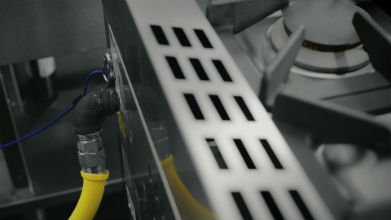
Both natural gas and LPG appliances use hoses to transfer gas from the source to the machine. These hoses should be tough, reliable and corrosion resistant. Importantly, all gas hoses must conform to British Standard BS699. Keep in mind that every site is different, so hoses aren’t usually included when you buy a new gas appliance. It’s also worth noting that you may need a longer hose than you think – especially if your unit is mounted on castors.
Commercial catering gas hoses are available in a variety of lengths and connection sizes, with the most common being half-inch (1/2”) or three-quarter inch (3/4”) connections. Lengths are often between 1 and 1.5 metres.
All gas hoses sold on this site are specifically designed for professional use in commercial kitchens and conform to BS699.
View All Commercial Gas Hoses
Frequently Asked Questions
Who can I talk to about installations?
If you’re in any doubt, feel free to contact our installations team who would be happy to provide support and professional advice. Email Installation@nisbets.co.uk or call 0117 908 8400.
What is a Commercial Gas Safety Certificate?
A Gas Safety Certificate is a legal document which confirms that appliances have been professionally tested as part of a gas safety inspection. As part of The Gas Safety (Installation and Use) regulations 1998, it’s the law that all owners of commercial properties have to have their gas appliances inspected annually.
What happens if I don’t have a Gas Safety Certificate?
Running a business without proper certification is a serious offence and highly dangerous. The standard penalty is a £6,000 fine per item, and/or up to six months in prison. In the most serious cases, charges of manslaughter could be brought.
Can I hire an experienced handyman to fit a new gas cooker?
No. Without exception, any mains gas appliance needs to be installed by a Gas Safe registered engineer.
Can I use LPG on a natural gas oven?
No. Natural gas burns at a lower pressure to LPG, meaning you’d have a dangerously large and uncontrollable flame. Likewise, you shouldn’t connect natural gas to an LPG appliance. Some units can be professionally converted to work on either gas type. This work usually requires a Gas Safe registered engineer.
How can I be sure I’m buying a safe gas appliance?
All new commercial catering appliances must be CE marked to indicate conformity with current UK and EEA regulations. All gas appliances sold on this website are CE marked.
What is a flame failure device?
All gas catering appliances must be fitted with a flame failure device. This handy feature prevents a build-up of unignited gas if the pilot system goes out. All professional gas appliances sold on this website have flame failure devices pre-installed.