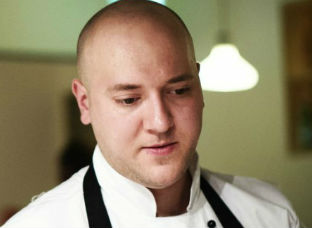
Case Study: David Scarpato on How to be a Freelance Chef
"I inherited my passion for cooking from my father and began learning my trade at the 5* Celtic Manor in South Wales.
"I spent 10 years working in kitchens before going on my own and feel the experience I gained under head chefs was vital. I now work as a freelance chef and love the flexibility it offers.
"I’ve reached the final stages of the prestigious Roux Scholarship 2017 and the San Pellegrino Young Chef competition and have my sights set high for the future."
David Scarpato | Freelance Chef since 2015
How to be a freelance chef
There are many options for getting started as a freelance chef. You could work on a yacht, you can be a family's private chef, you can fill in at busy restaurants or you can even work on a private plane.
To be a freelance chef you need a passion for the industry and to have built up years of experience, allowing you to adapt to different kitchens. You'll also need the drive to get your name out there and secure work from businesses.
Life as a chef can be challenging, with long hours and pressure to attain perfection with every dish. Most chefs go the traditional route of working their way up in the same business over a period of years, but in recent years many chefs are exploring freelance and private work.
Here we explore everything you need to know about how a career as a freelance chef for hire can work for you.
Why should you be a freelance chef?
With consistent work on offer as a contracted employee, why do chefs choose to go it alone?
According to David Scarpato, benefits of going freelance include:
- Choose the hours you work
- Improved work / life balance
- Get paid for all the hours you work
- Develop industry contacts
- Experience different ways of working
- The opportunity to work abroad
"The well-documented shortage of hospitality staff has made the value of a good chef skyrocket. This has made freelance very attractive for chefs seeking more money for potentially fewer hours. Being paid for all the hours you work is all any chef wants, and freelance work allows us to make that happen." – David Scarpato
What experience does a freelance chef need?
As a freelance or private chef you should have built up the necessary skills and experience to adapt to any kitchen. You never know what business might look to hire you, so it’s no good being an expert at only one cuisine.
You need to ensure you're well-rounded and understand the nuances of working in the kitchen. Going alone probably isn’t the right career choice for inexperienced chefs, so first you must learn your trade by putting in the hours under the tutelage of a head chef.
For young chefs looking to build up their bank of knowledge, it's about moving around and experiencing different ways of working. Seek out kitchens that specialise in different cuisines, volunteer on your rest days if necessary. There is no fast track, but this will help you in the long run and prepare you for freelance work eventually.
How does a freelance chef get work?

Promoting your availability as a freelance or private chef is the key to getting hired.
Whether you’re in demand or just starting out on your own, you’ll need to contact businesses to let them know the dates of your availability.
Once you hear back, you have your chance to negotiate your salary, working hours and discuss anything else relevant to the job.
Over time you’ll build up contacts and if you’re good enough, work should come to you.
Entering chef competitions is a great way to get exposure and meet people in the industry, which freelance work is all about.
Having your own website, fully optimised for search engines, will increase your visiblity online and give people a point of reference if they hear your name and look you up. You should use it to sell your experience and knowledge, framed with images of both you and your food. This is your opportunity to stand out, photos of you at work will add credibility and increase your trustworthiness.
A list of businesses you've worked for and the chefs you've worked under, including a contact number for that business, will add another layer of credibility and allow references to be gained easily.
You can search online for freelance chef vacancies. It's up to you to tout for business and find opportunities, you can try calling around restaurants or asking friends in the industry if they know of any venues in need. You may find yourself in standard restaurants, at large arenas or catering at a racecourse - the scope is wide, so don't limit yourself to just local restaurants when you search.
Dealing with agencies
Chef agencies can provide representation and source work on your behalf, but this inevitably involves taking a cut of your earnings. This might be worth the pay-off however, particularly if you’re lacking the contacts to fill up your schedule. The agency has the contacts already, and over time you'll build up a network that will allow you to eventually generate work yourself.
Agency staff may be more experienced at negotiating your salary and expenses, so this could still work out more lucrative for you than if you were on your own. Removing the need to source work and chase payments can allow you to focus solely on the job(s) at hand, but not every chef will want to give up control (and a slice of their earnings) like this.
So you need to decide whether it’s for you. If you’re just starting out as freelance, it might be the way to go while you make a name for yourself.
Agencies are also a viable option for chefs moving to a new city.
"As your name gets around and you prove your quality, it’s much easier to get booked. I used to take bookings week by week but now I’m booked months in advance. By being reliable and adapting to the needs of the businesses that have taken me on, I put myself in a better position to get hired again. Word of mouth travels fast, so making sure people speak highly of you is key to getting more work in the future." – David Scarpato
How many hours does a freelance chef work per week?
Scarpato works on average 50-60 hours per week, down from 80 hours as a full-time employee, but as a freelance this depends on your popularity and simply how much you want to work.
Because Scarpato chooses this reduction in hours and negotiates a favourable rate of pay, there isn't a financial downside to working fewer hours. It's impossible to determine how many hours you will work each week and how much you'll be paid, such is the nature of freelance work.
Initially, if bookings are a little slower than you'd like, you may want to work as much as possible to take advantage of the hours on offer. This will also help you gain a reputation as a willing worker who can be relied upon. Once you’re established you might choose to enjoy one of the main perks of freelance – time off!
"The beauty of freelance is you're in control of your own destiny. You can turn down bookings if you want a weekend off or a week abroad. Averaging 60 hours a week, I still work more than most people – but this way it's my choice. I love the job, but it's nice having the freedom to do 60 hours rather than 80." – David Scarpato
What equipment do freelance chefs need?

Although you'll be working in a fully fitted out kitchen, there are certain tools you'll need to take with you to each job to ensure you're at your best. This will also convey a professional image.
The vital tools of the trade that you'll need for every job include:
- Chef knives: No chef worth his salt will want to go anywhere without their own knife. Comfortable and reliable, your chef knife will offer familiar and efficient cutting. An absolutely essential tool whether you're freelance or not!
- Knife roll: These will provide safe and convenient storage, keeping the kitchen clear of dangerous blades. Knife rolls will also show you're organised and make a good first impression on your employer.
- Veg peeler: Save time and reduce your energy output with a simple veg peeler. They're reliable and affordable, allowing you to get the job done efficiently every time. A very handy tool to carry around with you!
- Knife sharpener: Keeping your knives sharp is crucial for their performance by allowing them to cut through ingredients quicker and easier, while also helping to reduce injuries. For the chef on the move, these are very important items to own.
- Chef clothes: Fresh chef whites are essential for any new job. Walk in looking good, feeling good and showing you're ready to get stuck in.
"The importance of clean clothes should never be overlooked. It's always desirable to make a good impression on both an employer and fellow staff alike. Fresh whites also tells your employer you take hygiene seriously, which is vital for any commercial kitchen." – David Scarpato
What else do you need?
You should have your qualification certificates ready to present, as well as your health and safety levels 1-3 certificates. This documentation is important, especially for a new job where the owner requires proof of your credentials.
Some chefs may feel their food and experience should speak for themselves, but ultimately you’re trying to get a job – and the employer will want to make sure they’re making the right choice.
If handing over certificates is the difference between getting hired or not, it’s worth it!
Proof of experience is important and you should have references in place when you start at a new venue.
You should also have your own transport to be able to get to jobs easily.
Private chef
Going to work privately for an individual – whether a family at home or on a luxurious super yacht (yes, it's possible) – can be lucrative and rewarding. Chefs often find they have more freedom, eventually, to cook new dishes and help expand their clients’ palettes.
Life as a private chef is hard work, but not usually quite as demanding as in a commercial kitchen. You’re on call for likely just one boss, and if they’re paying generously then you’ll need to be available no matter how last-minute the request. Friends visiting later that evening? You’ll need to come up with something on the fly.
Getting to know the person you serve and seeing their reactions to your food is a luxury most chefs don't get to enjoy. There's also lots of room for creativity and encouraging clients to try new foods, and often the budget for ingredients is higher than a normal restaurant.
Work is also available at private homes for families. Other less obvious alternatives include athletes. Local boxers in training for a fight might be keen to have their meals cooked for them as they look to lose weight before their bouts. Use social media to promote your availability to amateur and semi-professional athletes, it's not just rich professionals who want their meals prepared!
Freelance chef Tax
As a self-employed chef, it is your responsibility to pay tax and sort out your national insurance contribution. The government’s website will guide you on the steps and the forms you’ll need.
David Scarpato uses a trusted accountant to allow him to solely focus on his work in the kitchen, which takes the pressure off.
However you may decide to reduce this expenditure and do this yourself.