
How to Season Your Cast Iron Cookware
From frying pans and woks to skillets and grill pans, lots of cookware items need to be seasoned (also known as ‘curing’) before use, protecting them from rust and giving it a coating that prevents food sticking. Seasoning your pans is crucial to achieving perfect dishes, and this short guide helps you find out how.
What Needs to be Seasoned?
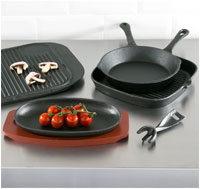
Cookware finished with non-stick coatings such as Teflon (PTFE) do not need to be seasoned, allowing you to use them straight from the shop. However, PTFE’s start to breakdown at temperatures of over 240ºC, making them less able to get the sear needed for perfectly cooked meats. Black iron, cast iron and carbon steel can resist much higher temperatures when seasoned, and cooking with them actually improves the seasoning, rather than degrading it, helping you to lock in flavours when cooking steaks and other meats.
Preparing your Cookware for Seasoning
First time seasoning
Before seasoning your new pots and pans, give them a clean with some hot water, a washing up liquid and a non-abrasive sponge or cloth. Cleaning your pans before use removes any factory residues, germs and oils that may be present, such as the beeswax coating on Mineral B items from De Buyer.
Clarifying
Your pans will start to get a greasy build up on the surface when they have been used a lot which can affect your cooking results. To remove this unwanted residue you need to clarify your pan. Start by heating your pot or pan on the hob and then pour large chunks of salt (not table salt) into the pan, ensuring the surface of the pan is covered. The salt absorbs any extra moisture and grease on the surface of the pan, returning it to its seasoned finish.
How to Season Cookware
You can season any cast iron, black iron and carbon steel cookware, but we’ll use a pan for example. Once you’ve cleaned your pan and made sure its bone dry, it’s ready to season. You’ll need some oil, pastry brush and a hob. Seasoning takes just 4 simple steps.
Step 1 - Place your pan over a medium heat, warming it for a few seconds.
Step 2 - When your pan is hot, apply a small amount of oil to the pan, enough to cover the entire inside surface area. Use your pastry brush to spread the oil over the pan, ensuring you apply a thin, even layer.
Step 3 - When the oil reaches its smoking point (the point at which the oil is hot enough to start smoking) you should start to notice a change in colour. When this happens, you can turn off the heat and let the pan cool.
Step 4 - Now the pan is ready to cook on and the more you use your seasoned pan, the better the finish will be.
Patience is the key to seasoning. If you rush this process or apply too much oil, your pan will become sticky and patchy, making food stick to the pan and provide subpar results. If at any point you make a mistake during the seasoning process - don’t panic! Simply go back to the ‘preparing your cookware’ phase and start over.
Cleaning and Storing
It remains important after seasoning to not use abrasive cleaning tools. To clean your pots, pans and woks after use, use a wet cloth with warm water, and kitchen towel to clean off any residue. Do not submerge any seasoned black iron cookware under water or clean in a dishwasher, as this can also affect the seasoning.
Before putting your pots and pans away after use, cover them with a layer of oil. This helps prevent rusting to ensure they maintain their quality day after day.