Are Food Delivery Services Profitable For Restaurants?
The demand for food delivery services has been growing rapidly. Dining out at restaurants has been a favourite pastime for couples, families and friends for decades, but in the last few years something has changed; people enjoy ordering food from the comfort of their home a lot more.
As the world becomes all about convenience, we take a look at the pros and cons of food delivery services and whether or not they are a profitable strategy for restaurants and other food businesses.
Why are families opting for food delivery?
Ordering food to be delivered to your door is easy and convenient. With streaming services such as Netflix proving so popular, more and more people are swapping the dance floor for the settee - and ordering their favourite food online from their favourite restaurants.
The traditional food takeaway options of Chinese, Indian, pizza and curry have evolved. Restaurants were traditionally viewed as above this because the exclusivity of an in-house service allowed them to best provide a first-class dining experience.
However, times have changed. Pubs, restaurants and even fast food outlets have caught on to the advantages home delivery has to offer.
What benefits are there to food home delivery?
The benefits of offering a food delivery service from your restaurant include:
- Increase your sales
- Reach more customers
- Capture the takeaway market
- No expansion needed
The takeaway food market is expected to be worth over £11bn in the next few years, so now is the perfect time to grab your piece of the action. If your restaurant serves 30 tables, you're limiting your reach to those 30 parties at any given time. From bad weather, a broken-down vehicle, illness or tiredness after a long working day – there are countless reasons why a would-be customer might no-show their reservation.
On the flip side, if you're you're having your busiest night of the year – you are still confined to those 30 tables. How many extra would-be patrons are you missing out on? If people stick around enjoying the atmosphere once they've finished their meal, the business is losing out on new customers being seated. Time is money, after all.
This is where the benefits of food delivery really shine through. Your potential for orders is essentially limited only by your own restaurant's capacity to meet the demand – and with the necessary resources in place your food can be enjoyed by far more people than if you only serve your seated customers. It can also give you the jump on other businesses which are yet to catch on to offering home delivery, giving you exposure to a wider market.
As people are creatures of habit, they may choose to only order from restaurants listed on their food delivery service's app or website. You may consider getting fully committed to this, ensuring you are one of the options the next time a hungry couple picks up their smartphone to place an order.
The more apps you're available on, the wider your social media marketing will reach as more people enjoy your food and inevitably share the experience online. Word of mouth travels faster than ever, thanks to the rise of via social media – and being central to online discussion keeps your brand in the public eye.
Tip: Today's society is much more eco-friendly conscious, and businesses can capitalise on this by showing themselves to have a clear green philosophy. Diners are increasingly looking to reduce their impact on the environment, which includes where they go to eat. Going green can drive your business and is great for marketing. Check out Vegware's eco-friendly products and see how they can help your business.
Options for offering food delivery
You have a few options for implementing a food home delivery service:
- Handle delivery yourself:You can hire delivery staff, purchase vehicles, take out insurance and invest in the necessary equipment to securely store food and keep it hot during travel
- Outsource your delivery: Partner with one or more food delivery services who will take care of everything themselves. They will handle your marketing, collection and delivery.
- Only offer self-collection to customers: Food is available to takeaway but customers will have to come to the venue and collect it themselves.
It's up to you and whether you want to put the structure in place yourself or let another company handle the logistics.
How do I start offering food delivery
It depends if you want to outsource or keep delivery in-house.
Deliveroo is one such company that specialises in delivering your food to the customer, while actively marketing your business too. They work with hundreds of restaurants arouns the UK and pride themselves on only working with high-quality eateries.
In fact, their website states they don't work with low-quality takeaways. This can certainly help your reputation if Deliveroo agree to deliver your meals, as customers can trust the company will only vouch for top quality. To join some delivery services a business must have a high ranking on TripAdvisor and a five-star rating – these requirements can only enhance your restaurant's reputation should you be associated with delivery services that demand the best.
Deliveroo also offers a pre-ordering option, ensuring you secure a customer's business one day in advance. They even offer 'dark' kitchens for hire, where you can lease a premises and try out your new concept. This is perfect for existing businesses looking to trial a new idea without placing any risk on their current brand.
Other options in the delivery market include UberEATS, JustEat and OrderIn – it's a growing industry and more firms competing for your business puts you in the driving seat. It also makes the consumer more willing to use the services as they become more embedded into mainstream use.
Tip: With figures showing that 65% of Britons enjoy a takeaway at least once a week, there is a significant market for you to tap into. Food delivery offers the convenience that will encourage new people into the takeaway market, and likely increase the regularity of orders for those who already indulge.
What equipment do I need?
If you're going to implement your own food delivery service, it's essential you have the right equipment to keep your food in top condition upon arrival to the customer.
Equipment you'll require includes:
- Catering Disposables: From disposable food packaging and drinks holders to cutlery and biodegradable straws, our catering disposables section is your first port of call when stocking up for delivery.
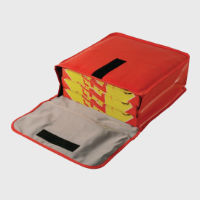
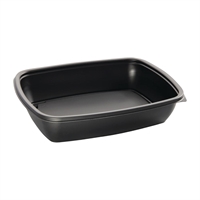
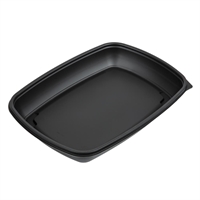
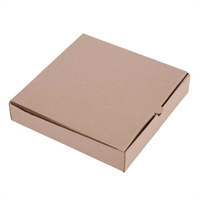
- Takeaway Food Containers: It's not just pizza, burgers have become a staple of the delivery industry. Our collection of pizza and burger boxes, chip shop food trays, lids and food bags will keep you covered.
- Condiment Pots: The last thing you want is your sauces spilling in transit and ruining the food. Condiment pots with tight, secure lids will ensure your customer isn't greeted with a ruined meal upon arrival.
- Paper Bags: Larger takeaway bags can easily hold your food throughout delivery, with convenient handles in place for easy carrying. Perfect for delivery!
- Eco-friendly Disposables: While going green is a big trend and can help a business score brownie points with consumers, the fact is it's also a necessity. We need to change how we live to protect the planet, meaning eco-friendly disposables are vital for your delivery operations.



Your Menu
Modern day food delivery encompasses a broad range of cuisines. Everything from pasta and pizza to burgers and burritos are in demand, including starters and desserts.
Your menu should come under serious consideration before you put anything in place. Not every item will necessarily be suitable for delivery – perhaps due to margin, its ability to retain heat or how well it travels. Additional orders, the size of your workforce and the capacity of your kitchen will also dictate whether you can offer your entire menu for delivery. If a particular dish is too intricate and requires too much manpower for the volume of orders you'll receive, it might be best to leave it off.
Lunch-time menus should be refined, including options appealing to office workers and those with little time to spare. Workers don't want to be too full up either, so consider smaller portions and lower prices to boost your mid-day orders.
According to our Pulse survey of domestic customers and their takeaway preferences, Chinese (29%) and Indian (28%) lead the way in popularity, with 17% preferring pizza. There is such diversity in the food delivery market that no matter what cuisine you specialise in, there is sure to be a market for it.
Marketing Your Food Delivery
The obvious place to start is promoting via your social media channels. On social media it's all about keeping your business in the forefront of people's minds; using offers, imagery and news to drive brand recognition and encourage orders.
When announcing your delivery initiative, give people 20% off their first order. This is the perfect way to tempt parties into checking out your service. It's always about the long game, so even if your margin isn't great to begin with, you're sure to be healthier in the long run as customers hopefully come back for more. As consumers, feel more comfortable making a second order than the first, so help them make the leap!
For engagement purposes and to humanise your brand, you could introduce your staff via "Meet Your Driver" social media posts. A photo of them in full uniform, with brief 'About Me' sections, and a link to your menu is a great 'soft sell' approach to familiarise your followers with the new service and nudging them to order.
If you go with a third party delivery service, you'll be featured on their apps and website. This will open you up to more potential customers and requires very little activity on your part.
Don't forget to take advantage of your in-house customers by making sure they know you deliver. Hand out leaflets along with the bill offering a discount on delivery, and instruct your front-of-house staff to remind customers of the service.
As long as you comply with GDPR regulations, SMS text messages and email offers will boost sales. Vouchers (more popular than a percentage off) for dates in the calendar like Valentine's Day or Halloween will ensure you're busy on the big occasions.
Downsides to food delivery services
With so many companies entering this booming food takeaway industry, it is a clear indication of the money to be made – both for you as well as third-party deliverers. More competition for your business will drive up quality, ensuring customer satisfaction and therefore repeat business. As we all know, however, nothing is perfect. As with anything, home delivery does have its drawbacks.
When you outsource delivery to another company you surrender control of how long it takes the food to reach the customer, the condition the food arrives in, the quality of face-to-face customer service – and it can also become harder to receive respectful feedback.
A customer can go online and criticise your service anonymously for all to see, which may impact your reputation and future sales – regardless of whether the criticism is valid.
This is why an official social media channel can be so vital; an official forum to receive criticism gives you the arena to address feedback, be it positive or negative.
You can also answer questions from prospective patrons, which can help entice them into placing an order (whether in-house or for delivery) and also shows your commitment to customer service.
With the customer seated in your restaurant you have every chance to address their concerns and ensure they leave satisfied. With delivery you have one chance to get it right, and if you outsource delivery you can't control the customer's experience.
An independent restaurant owner may also value the traditional face-to-face interactions with customers, building rapport and feeling a sense of community.
Tip: A traffic jam holding up a driver by 10 minutes can be disastrous; delayed delivery and cold food will leave your customer furious and yet there was nothing you or the driver could do. You'll need to ensure your PR is fast and responsive to mitigate any deliveries that have a less than desireable outcome.
FAQs
Frequently Asked Questions include:
Are Food Delivery Services Worth It?
If you want to increase your visibility online and enable your food to reach more customers, it's worth it. You'll be able to serve a lot more people, receive free marketing from third party apps and increase the chances of new people visiting your premises
How Much Would I Have To Pay Third Parties Like Deliveroo?
Each company is different, but using Dilveroo's system as a general guide; Deliveroo take 10% of the total order while the customer pays a £2.50 delivery fee.
Do I Have To Pay To Be Featured On An App or Website?
No, you just have to agree to hand over a cut of the order. Entering into an agreement with a third party delivery service gives you free marketing!
Which Is The Best Food Delivery Service?
Deliveroo, UberEats, Just Eat and Foodhub are some of the most popular, but it's not for us to say which is best. You may want to offer delivery yourself if you don't want to outsource.
Survey results
Interestingly, out of 350 restaurants and takeaways which took part in a Nisbets Pulse survey, only 57 said they use food delivery services (16.2%), while only 99 said they believe delivery will have a positive effect on the food industry (28.2%). 48 envisage a negative effect (13.7%), 49 believe there will be no effect (14%) and 107 said they were undecided (30.5%).
Clearly then this is an industry still growing and yet to convince everyone of its continued success; with the majority being undecided how the chips will fall. Trends come and go, but there is serious weight behind food delivery services being here to stay with millions invested in it.