
MEETING FOGS REGULATIONS WITH GREASE MANAGEMENT SOLUTIONS
The incorrect disposal of fats, oils, grease and starch (FOGS) causes major problems in drains and pipes in the UK, so it’s no surprise there are stringent laws and regulations surrounding the proper practice for their disposal. UK Building Regulations 2002 Edition incorporating 2010/13 amendments, state that "Drainage serving kitchens in hot food premises should be fitted with a grease separator complying with BS EN 1825-1:2004 and designed in accordance with BS EN 1825-2:2002 or other effective means of grease removal".
WHY SHOULD YOU CONSIDER YOUR FOGS DISPOSAL?
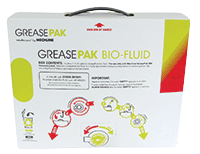
Most washing up liquids only remove fats, oils and grease from dishes whilst in the sink. Once the water has drained and entered the sewage systems, FOGS can solidify and causes blockages, costing businesses and the public millions of pounds a year in repairs.
There are simple solutions to the growing problem that is FOGS disposal. Using a food waste strainer to prevent food waste from getting into the drainage systems is the first step. Using an accredited bio-fluid GreasePak to dose drains and keep them flowing is the second. Thirdly, installing a BioCeptor to breakdown larger amounts of FOGS means you have all your grease management needs covered. All FOGS management products are designed and engineered to be efficient, effective and practical drain maintenance solutions, allowing you to dispose of FOGS in water in a safe and sustainable way.
WHAT DOES A FOOD WASTE STRAINER DO?
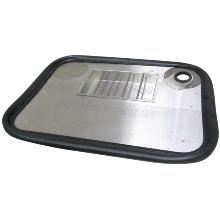
Stopping food waste entering the kitchen drainage system is a simple and effective first line of defence when it comes to FOGS management. A food waste strainer (FWS) is designed to fit comfortably into any standard size commercial sink bowl. The removable basket allows trapped food waste to be emptied and disposed of sustainably.
WHAT DOES A GREASEPAK DOSING MODULE DO?
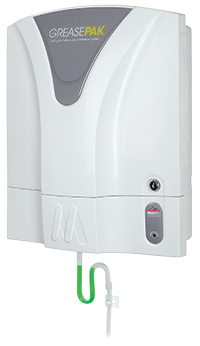
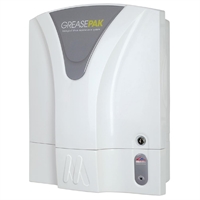
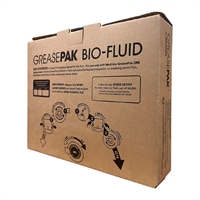
The GreasePak machine works by releasing a highly concentrated bio-enzymatic fluid that has been specifically designed to break down FOGS in low oxygen and varying pH level environments.
The GreasePak dosing module releases a daily dose of the powerful multi-strain grease degrader (MSGD) at its factory setting of 1:00am, allowing the bacteria to go to work on FOGS.
The time at which the dosing module releases the bio-fluid can easily be changed, as well as the dosage. This flexibility allows for the dosage to be increased for extremely busy commercial kitchens or venues where a lot of FOGS are being disposed of, such as burger bars or fast food restaurants.


WHAT DO THE BIO-ENZYMATIC FLUIDS DO?
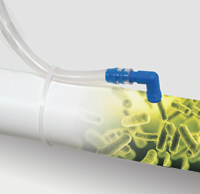
The GreasePak MSGD liquid has 10 bacteria strains with over 500 million colony-forming bacteria per gram. These bacteria produce enzymes that break down organic matter, including lipase (a naturally occurring enzyme that breaks down fat) which quickly transforms fats (triglycerides) into highly water-soluble glycerol, allowing it to be absorbed into the bacteria cells. Once the glycerol has been absorbed into the good bacteria, it is used as fuel to produce energy for growth, helping to breakdown more organic matter (fats, oils and grease).
The bio-fluid used in GreasePak is a highly concentrated active bio-enzymatic multi-strain grease degrader (MSGD) which is BBA approved. It’s an environmentally friendly Class 1 biodegradable product that degrades FOGS into smaller, simpler molecules that cannot reform or solidify further along the drainage system. These bacteria are not harmful - they are naturally occurring and non-pathogenic microorganisms which do not cause disease and are internationally recognised as safe and not harmful to human health.
WHAT DOES A BIOCEPTOR DO?
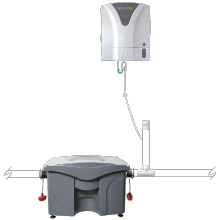
The BioCeptor F.I.T. (FOGS Interceptor & Treatment) unit is grease separator, sometimes called a grease entrapment system. It works by slowing down the flow of wastewater discharged from a food service operation and trapping FOGS through the design of its internal baffles. GreasePak multi-strain grease degrader (MSGD) fluid is dosed into the BioCeptor unit, turning it into an active biological treatment zone. MSGD fluid is a highly concentrated active bio-enzymatic fluid specifically formulated to degrade FOGS found in food service operations.
The BioCeptor F.I.T. units are ideal for handling dishwashers, combi ovens, steamers, bratt pans and almost any other piece of FOGS-producing commercial kitchen equipment. In addition, due to the effectiveness of the F.I.T. Unit and bio-fluid, maintenance periods can ordinarily be extended to three months, three times longer than other grease traps.
HOW AND WHERE TO PLACE YOUR GREASEPAK DOSING MODULE & BIOCEPTOR
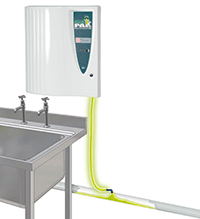
The key points to consider when fitting your GreasePak module or BioCeptor F.I.T. unit:
- Unit needs to be placed to cover as many drains in the kitchen as possible that may be affected by FOGS.
- Any drain line with FOGS-producing equipment (such as sinks, dishwashers and combi ovens) installed to it should be fitted with a GreasePak or BioCeptor ‘downstream’ of the appliances.
- Install the dosing module at a height that is convenient and practical for changing fluids and settings.
- Install the BioCeptor so there is access for maintenance and cleaning. BioCeptors can be fully removed to allow for hygienic cleaning to be carried out.
- It is crucial that the GreasePak dosing module be place no closer than two metres to any kitchen equipment that expels heat.
The GreasePak Dosing Module can be used as a standalone unit that offers effective and reliable FOGS control. When used as part of BioCeptor, it extends periods between emptying and maintaining the F.I.T. Unit compared to other grease traps.
WASHING UP LIQUIDS
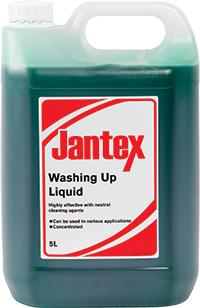
Although the GreasePak dosing module has incredible results with drain maintenance, dishes still need to be washed with washing up liquids.
Washing up liquids not only pull fats, oils and grease from crockery and cutlery, giving your plates a thorough clean, but also assist in stopping the FOGs from coagulating and solidifying in your sink and immediate pipe work.
View our guide on buying professional cleaning chemicals for more information on washing up liquids.
View our helpful CHIP and CLP code sheet for more information on the dangers of cleaning chemicals, and what their labels mean.


