
Preserve the Life of Cutlery
Any catering establishment’s cutlery takes a battering. Used relentlessly all day and every day, knives and forks can be washed dozens of times as well as being scraped against plates by customers. This means it’s essential that cutlery is maintained correctly in order to extend its lifespan. Choosing the correct cutlery can also help, so why not read our Choosing Cutlery Buying Guide?
Alternatively, read on to learn how to care for cutlery, avoid stains and diagnose any problems you may come across.
shop all cutlery nowStains on Cutlery
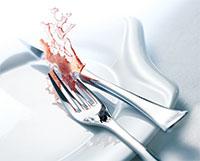
The staining of stainless steel is a rare phenomenon and is usually caused by something becoming firmly deposited in the steel, luckily with the right treatment this is not permanent and can easily be remedied with peek metal polish. Another easy mistake to make is to use a dip designed for removing tarnish from silver, this should be avoided at all costs, as chemicals contained within these dips will etch stainless steel. If a rainbow stain appears on your cutlery it can usually be removed with lemon juice, once the juice has been used wash the cutlery and dry immediately.
Rust or Pitting
If this occurs with your cutlery then it is not a sign of bad craftsmanship or poor quality materials and some investigation needs to take place. Water is stainless steels number one enemy, especially salt water or tap water with a high mineral content. Precautions to take are to ensure cutlery is not left to soak in water for long periods of time and to not submit stainless steel to a dishwashers rinse and hold cycle. Cutlery should be washed, rinsed thoroughly and wiped dry as soon as possible.
Washing Cutlery
When it comes to washing any cutlery in a dishwasher, put knives with their blades facing down in a separate compartment to the spoons and forks. In some areas, hard water may leave calcium spots, or certain foods and constant use of dishwasher may cause tarnishing; these stains may be removed using lemon juice, vinegar or a stainless steel cleaner. Misuse or a fault within a dishwasher can cause corrosion or staining to even the highest grades of stainless steel.
With regular dishwashing, scratching can occur on knife blades - this is a direct result of the mechanical action of the dishwasher and salt concentrate remaining on the flat surface area of the blade. To prevent this happening, hand wash the knife blades in warm soapy water. Surface discolouration in the form of a rainbow can also occur; this is due to detergent drying on the cutlery and is a fault within the dishwasher's rinsing cycle. If a dishwasher is used, when the cycle finishes, open the door straightaway to avoid condensation on the cutlery.
Handwashing Cutlery
When it comes to hand washing cutlery, use a domestic liquid detergent and warm water, and then dry thoroughly with a soft cloth. Never leave cutlery soaking overnight. Common salt, vinegar, and acids present in some foods, bleaches and harsh detergents can all seriously damage the cutlery if left without rinsing after use. Even mineral salts in tap water can cause pitting and staining. Be aware that citrus enhanced cleaning liquids such as lemon washing up liquid can speed up the corrosive process. Steak knives with wooden handles should always be carefully handwashed individually to maximise their lifespan.
Polishing Cutlery
In order to keep the shine in stainless steel cutlery, remember to polish it. Polishing consists of using a soft cloth to remove surface water from the cutlery after washing. If for unforeseen circumstances water is allowed to dry on the cutlery it is important you remove the surface containments as soon as possible, do this by re-wetting with a very mild soapy water solution, rinse and polish immediately.