
Protective Clothing in the Food and Hospitality Industry
Protective clothing is used in almost every workplace, from commercial kitchens to building sites. It protects the wearer from injury due to blunt impacts, electrical hazards, heat, chemicals and more. Each workplace uses different types of protective clothing, from goggles and lab coats to safety boots and hard hats, and employers have basic duties concerning the provision and use of personal protective equipment (PPE) at work to protect their staff.
PPE for the Food and Hospitality Industry
Much like construction workers, kitchen and hospitality staff need to be protected from their working environment. From chefs to cleaners, there are many tasks that can cause injury at work.
Why Wear Protective Clothing In The Kitchen?
Kitchens are hot, busy and dangerous places to work. Hot ovens, open fires, and sharp knives all add to the risk of injury. Even to most experienced of chefs. Wearing PPE when working in a kitchen helps you to prevent injury by protecting you from burns, cuts and more.
Why Wear Protective Clothing When Working With Food?
Wearing protective clothing when preparing and cooking food helps to protect both your customers and yourself. Food safe gloves and hair nets help you to hygienically prepare food and prevent foreign objects in falling in to food. Clean aprons, gloves, towels and more will help you to hygienically prepare food, protecting your customers from food poisoning or injury. Clothing can also help to protect you from injury when working with food too. But what clothing do you need?
Social Distancing

Social distancing is the bare minimum in terms of preventative measures you can take as a business to help keep your staff and customers safe. While you can have safety signs in place to remind people to wash hands and maintain a safe distance, the correct protective equipment will also make your staff and customers feel more comfortable. Operating at safe, full capacity means that the appearance of waiting staff in hospitality environments carries more importance than ever.
Accommodating customers safely is greatly helped with the use of face masks, gloves, bibs and aprons as well as health notices and practical safety measures.
SHOW ME SOCIAL DISTANCING EQUIPMENTWhat Protective Clothing Should Be Worn In Kitchens?
Double breasted jackets prevent burns by creating a barrier between your skin and hot appliances or spillages. Long sleeves also protect you Chef’s jackets also help to keep you cool, preventing injury due to heat, which is crucial in bustling commercial kitchens.
Using an apron over your jacket will add an extra layer of protection against hot liquids, foods and equipment, as well as keeping you looking professional. Available in a range of materials and styles, apron not only provide great protection from the hazards of working in a kitchen, but compliment the style of your uniform.
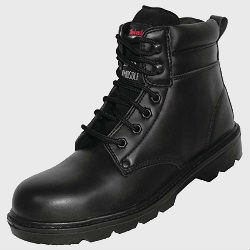
Kitchen footwear is also designed to keep you safe. Many have a non-slip construction to ensure you can stay on your feet, even when the floors are slippery. There are three different types of certification for non-slip footwear;
- SRA - tested on ceramic tile, wetted with dilute soap solution
- SRB - tested on smooth steel with glycerol
- SRC - tested under both the above conditions
Slipbuster footwear have SRC non-slip soles that make them perfect for use in commercial kitchens. Some slipbuster shoes are called ‘safety boots’ or ‘safety shoes’. They are made from strong materials, such as leather, to offer extra ankle support and protection against falling equipment and utensils.
Cut resistant gloves offer protection for your hands whilst you prepare foods. Great for training or for cutting unusually tough produce with razor sharp knives; cut resistant gloves are an essential in every kitchen.
Oven gloves will protect your hands from hot cookware when using ovens and other cooking equipment. Their heat resistant construction makes it safe for you to remove baking trays, dishes and other cookware from ovens without burning your hands. Blue vinyl gloves offer protection from certain foods too. Some foods, such as hot chillies, can cause irritation if handled without gloves.
What Protective Clothing Should Be Worn When Cleaning?
Commercial cleaning chemicals can be dangerous if not use correctly or if you’re not wearing the right protective equipment. Strong acids can damage skin and eyes, so wearing the right protective clothing and equipment is crucial to maintaining safety.
Safety goggles are the best way to protect your eyes from accidental splashes of cleaning fluids. They are made from strong plastics and rubbers that make them comfortable to wear whilst giving you reliable protection. Goggles offer more protection when using chemicals as they have a surround that hugs your face, leaving no gaps for liquids to get in. Our safety goggles conform to the European standards for eye protection (EN166).
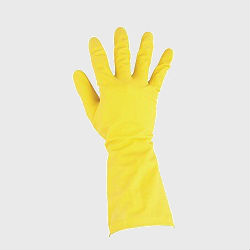
Cleaning staff should also use rubber gloves to protect their skin from burns and irritation. These are available in a range of lengths and thicknesses to offer different levels of protection. Colour coded gloves are perfect for washing up and light duty cleaning, whilst long length, heavy duty gloves are great for use with strong chemicals or tricky cleaning tasks such as cleaning ovens.
Waterproof aprons prevent damage to your clothing and add a layer of protection on top of your lab coat or overalls. They are available in both heavy and light duty variations for different tasks and environments; from washing dishes to bleaching floors. You can also use tabards rather than waterproof aprons. These often come with pockets for storing cleaning equipment, such as cloths and sprays. These aren’t waterproof however, so are best suited to general cleaning duties such as dusting, polishing and vacuuming.
What to Consider when Buying Protective Clothing
When deciding what protective clothing you and your staff will need to use for each task, you should consider;
- What hazards do the tasks present? Knowing the hazards that come with each task will help you to plan which clothing and/or equipment you should use. For example, if you know there will be harmful chemicals, consider splashing and skin contact.
- Is it suitable for the conditions? Make sure the clothing you choose is suitable for the working conditions and environment.
- Does it offer the right level of protection? Choose the clothing and equipment that adequately protects the wearer.
- Do you and your staff need training on the items or do the items require maintenance? Ensure your staff know how to fit and wear the items properly to ensure maximum safety.
- Do you know when/if/how the items need replacing? Knowing how to clean, repair or replace worn out safety clothing is crucial to keeping your staff protected.
Before you and your staff get started using your new protective clothing, you should consider the following questions;
- Do the items fit properly? Wearing protective clothing that is too big can make tasks more difficult, so make sure each item fits correctly before use.
- How do they feel? Is the wear suitably comfortable? The wearer can become distracted if the clothing is not comfortable, which increase the risk of accidents.
- Does the protective clothing interfere with the task at hand? Thick gloves can make more intricate cleaning tasks more difficult; ensure all clothing is suitable for the task at hand.
- Does the protective clothing create extra hazards, such as overheating or entanglement? Long aprons can get on equipment and machinery. Ensure the protective clothing and equipment doesn’t create any further hazards for you and your staff.
How to Clean Protective Clothing
Cleaning any clothing is important to maintaining hygiene, from casual wear to work uniforms. But cleaning protective clothing is extremely important. Keeping your protective clothing clean and well maintained is the best way to ensure it does its job.
Waterproof clothing can be wiped down with antibacterial wipes to kill germs and remove other chemicals. They can also be cleaned in washing machines to ensure a thorough and deep clean. Fabric clothing needs to be washed on high temperatures with biological detergents for the best results. The detergents break down organic matter, such as food or bodily fluids, ensuring your clothes get a professional clean. All protective clothing should be properly washed and cleaned before and after use. You should also wash clothing from different areas or job types different. Chefs clothing shouldn’t be washed with cleaning clothing. This prevents any chance of cross contamination from different germs.