
Sealing and Wrapping Food
Proper packaging helps keep food from drying out and preserves nutrition, flavour, texture and colour. In the catering industry, being able to seal and wrap food is vital to cover the food to be served, or wrap any remaining food products leftover. By sealing and wrapping food, food wastage can be prevented.
shop all food wrapping nowVacuum sealing food
When it comes to sealing food, vacuum sealed foods using a vacuum packing machine will always last longer than other storage methods, aside from food which is canned. Despite plastic wrap, foil, zip-lock bags, and air tight containers protecting food to a certain extent, they can’t preserve foods as well as vacuum sealing does.
Food ripens as a result of oxygen exposure; fruits, vegetables, and meats will begin to diminish after a certain amount of time because they have been exposed to the air. Often mould and bacteria will develop, leaving the food undesirable because of the change in odour, colour, and texture of it. Sometimes bacteria can develop without air, but mould does not develop without a healthy supply of oxygen.
Protecting food
When food is vacuumed sealed you are removing the air from the bag, removing the ability for mould, and some bacteria to live or grow. Over time, the food you store might diminish if it is not refrigerated or frozen. If food is sealed when it is very fresh, it will last longer than if another storage method had been used.
Other methods of storage allow oxygen to creep in through tiny openings. Loosely wrapping food and putting it in the refrigerator can only save food for so long. Even if you use an air tight container, the oxygen that is left inside of the container may be enough to allow mould and other bacteria to thrive and spoil food.
Another advantage of sealing food is that it allows for the food to be prepared the night before to save time in busy periods.
Freezing food
An important part of frozen food storage is the container the food is packed in. There are several different types of packaging materials that work well in freezers; they include rigid containers, flexible bags, and freezer wrap. These materials help prevent freezer burn and the breakdown of textures in frozen food.
Rigid food containers are useful as they can hold most foods. The containers are re-usable and are easy to stack. The most common and popular rigid container is one made of moisture-vapour-resistant plastic with a snap on lid. With proper care, plastic containers can be used for years.
A good material for wrapping meats and other large and irregularly shaped foods is freezer wrap. Good materials for freezing should be airtight when properly sealed, be moisture-vapour-resistant, and be durable and able to withstand cold temperatures. They should not absorb oil, grease or water and they should also be easy to handle, seal, label, stack and take up as little room as possible.
Freezing meat
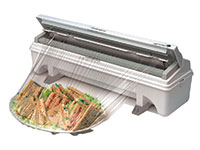
Fresh meat that is available in supermarket packaging consisting of a polystyrene tray with a plastic film cover may be stored in the freezer. With this type of packaging the meat will freeze well for several months. However, for longer periods of freezing it is advisable to over-wrap the packages with either cling film or heavy-duty aluminium. This is to prevent any air entering the package, which would then lead to freezer burn and cause the meat to dry out, lose its flavour, colour and texture.
Ideally, for space saving and storage purposes, the meat should be divided into portion bags for your needs and tightly wrapped in cling film, freezer bags or heavy duty aluminium foil. Never wrap any food products in plastics carrier bags obtained from the supermarket as the chemicals used to manufacture the bags may react with the food product. It is important to label all foods that are put into the freezer with the date, weight, contents and the date by which they should be consumed. You can do this with easy to use .