
Secrets Of West African Food
As Ikoyi in St. James' market becomes the first West African restaurant to be awarded a Michelin star in the UK, has food from the west side of Africa finally hit the mainstream? What exactly constitutes typical cuisine from this area, and what is driving its current surge in popularity? Read on to find out more.
What is West African Food?
If you’ve eaten one dish, it’s likely to have been native jollof rice which is the most popular form of rice meal. A delicious, spicy and savoury meeting of scotch bonnets, fried onions and tomatoes all stirred in with stewed rice. Think of a spicy African take on the Spanish paella. A national dish claimed by both Ghana and Nigeria, jollof rice involves the base of many West African dishes, namely TPO (tomatoes, peppers, onions).
As one of the largest continents in the world however, food from the Western side of the Nation is arguably more meticulously prepared: offering a diversity of complex tastes, seasonings, and of course spice depending on region and historical tribe. West Africans love to cook, be it fried plantain, stewed goat meat, grilled fish or fried pof pof – a sweet deep fried doughy desert similar to Greek loukoumades. Common tastes are the spice of chilli, savoury flavour of vegetables and greens, sweetness of fruits and baked goods. Or, in very traditional dishes such as garri (fermented cassava) and ofe onugbu (bitter leaf soup) flavours can be on the sharper side.
Which West African Food Is Made From Cassava?
Cassava is used in many dishes such as garri, fufu, eba and tapioca. Its name also varies from country to country, and depending on how it has been prepared. In Nigeria and Sierra Leone for example, it is grated, pressed, fermented and fried. In Central Africa however, it is more commonly boiled and mashed. Introduced to Africa in the 1500s, cassava is a key staple across the continent and a highly versatile ingredient.
Why West African Food?
Spicy and vibrant with rich textures, moorish flavours and a healthy base of fruit and veg, this cuisine has much to offer the appetites of health-conscious and adventurous gastronomers. Soon you'll become familiar with food typical of this part of the world, such as banku balls (a Ghanaian delicacy made with fermented corn and cassava dough), kenkey (fermented maize dumplings), and shito (a tangy shrimp condiment, easily obtained in gentrified city districts).
Another reason for this culinary escalation is that certain foods, Nigerian tapas for example. are explicitly designed for sharing, fitting perfectly into the casual dining trend. Here, there is a strong cultural emphasis on sharing and talking about food, which bridges the gap between home cuisine and the restaurant scene, a trend as recognisable in restaurant menus as it is in crockery and interior decor.
What are considered common West African Ingredients?
Vegetables
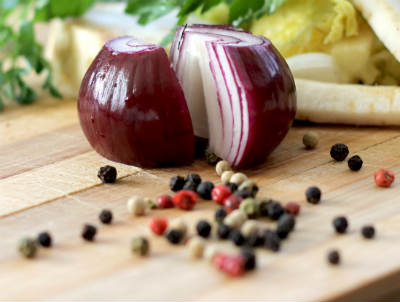
Although meat is popular on the West side, many dishes are also vegetarian and vegan-friendly. Moin-moin, for example, is a classic Nigerian Yoruba dish, sometimes served as a savoury steamed pudding. It is made from onions, sweet red pepper and peeled, ground brown beans often with eggs and fish. Other vegetarian favourites include chillies such as scotch bonnets, bay leaf, bell peppers, pumpkin, native yams, plantain, red and white onions, tomatoes, okra and spinach are other popular vegetables.
Fruits
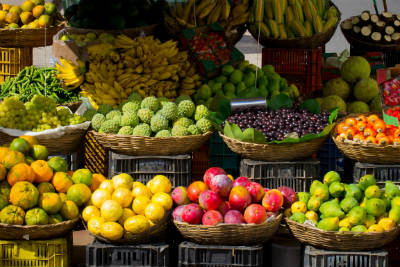
The native roselle hibiscus flower is very popular. Although technically a flower, you'll find it's rich colour, mellow taste and health benefits are used in many dishes. It can also be found in the popular Zobo drink, for example.
An area which enjoys plenty of sunshine, the locals are used to eating fresh fruits such as coconut, mango, bananas, papaya and pineapple. But these delicious fruits aren't just reserved for savoury dishes, the melon seeds are used to make egusi soup, for example.
Meat and Fish
The natives take a no nonsense approach to all meats, making the most of the entire animal in one way or another. You can expect dishes from stewed goat's head and shaki (honeycomb tripe) to the simpler Suya which is native to the Hausa people. Mouth-watering Suya is popular street food, which is made of spiced cuts of meat including chicken, with sharp raw red onion, served in newspaper. Other meats include the famed West African landsnail (which are commonly kept as pets here in the UK), ox and beef.
Carbs
Rice is one of the popular grains in Western districts thanks to its versatility. Other starchy favourites includes, yam, plantain (from the banana family), and corn meal used in the slightly sour Pap, a porridge-like corn starch meal.
Nigerian recipe: Easy Warming Pepper Soup with Goat
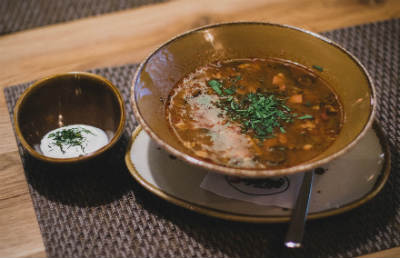
A flavourful version of the Vietnamese pho broth, Nigerian pepper soup is a comfort food like no other. The thin soup is chock full of stock and seasoning to provide an inviting flavour base to chunky ingredients including spiced goat, onion and pepper. The chilli-heavy soup contrasts refreshingly with fresh coriander, leaving a pleasing aftertaste on the palette. With a few simple ingredients and a very adaptable one-pot style recipe for pescatarians and vegetarians, it’s easy to make too.
The total cost of this recipe is roughly £7.92 and will produce 8 servings, which works out at approximately £1.32 per 500ml serving (as a main course). Please note, this should be used as a guideline only allowing for fluctuations in price and availability.
Ingredients
- 500g of goat meat, roughly chopped into large cubes
- 1.11 litres of water
- 474ml of meat stock, preferably goat or chicken
- 1 large white onion, halved and chopped into fine half-moon slices
- 4 tablespoons of pepper soup seasoning (black pepper, clove, cinnamon, coriander, cumin, nutmeg, ginger, allspice, onion powder, fennel proportionally ground)
- 2 tablespoons of olive oil
- 1 teaspoon of hot chilli pepper OR 1 scotch bonnet, chopped
- 2 garlic cloves, minced
- 128g dried and pounded yam to thicken
- Salt to taste
- Handful of coriander
What Will I need?
- 1 x stock or stew pot
- 2 x chopping boards: one for meat and another for vegetables
- 1 x carving knife
- 1 x spice grinder or pestle and mortar
- 1 x measuring jug
- 1 x mezzaluna or mincing knife
Method
- In a large stock pot, add all ingredients except for the coriander and simmer for 30 minutes.
- After 30 minutes, check the goat is tender and has cooked through.
- Stir the soup, taste test if it needs any salt or seasoning and re-cover the pot until the soup is piping hot for 5 to 10 minutes.
- Serve in large, deep bowls with freshly chopped coriander sprinkled on top to garnish.