
Should Craft Beer Be Stored Cold?
Yes. Craft beer should almost always be stored cold. A lot of work goes into making the perfect beer and it’s very easy to miss out simply by storing it wrong.
The thing is, craft beer isn’t just a refreshing drink. It’s a science. Much like connoisseurs of fine wine, specialists in beer recommend very specific storage and serving temperatures to ensure the end product is just as the brewery intended.
Possibly the most common mistake is to simply plonk bottled and canned beer straight on the shelf and sell it at ambient temperatures. After all, customers can put it in the fridge when they get home, right?
Why Should Craft Beer Be Stored Cold?
According to Matt Hinton, owner of Brew Cavern craft beer specialists in Nottingham, all premium beer needs to be kept stable to give it the best taste.
Simple exterior sources such as light or changeable temperatures can quickly damage the flavours - that’s why most craft beer breweries store cold at source. Even the delivery vans are chilled - a practise which has been going on in the States for decades.
It's worth taking the time to consider all the work that is done throughout the supply chain to retain the quality of the beer.
The brewery chill at source. The air/shipping freight is chilled. The delivery to your business is chilled. Why would you store ambient after all that, especially considering some premium ales can be transported over 12,000 miles?
How do Retailers Store Beer?
Some businesses go to pretty extreme measures to keep their beers at just the right temperature. Over in Brooklyn USA, Torst Bar have developed the “Flux Capacitor”, a unique and intricate draft dispense system which ensures an independently controlled temperature for up to 22 different beers.
Although different types of beer should be kept at slightly different temperatures, it’s unrealistic to expect independent storage for every bottle. That’s why Brew Cavern, Nottingham have invested in five Polar Beer Fridges to merchandise their stock – a cost-effective, energy efficient solution to keep beers at the recommended temperature.
Each fridge is independently controlled, meaning each batch can be stored at any temperature between 2°C and 8°C. This also makes them perfect for use in pubs and clubs too, as they can hold large quantities of canned soft drinks or bottled lager.
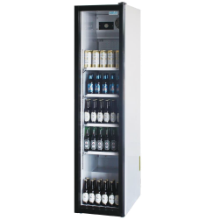
Polar Upright Back Bar Cooler
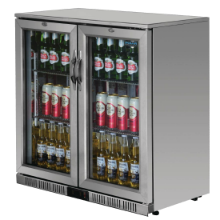
Keep your best sellers chilled and attractively merchandised with the Polar Upright Back Bar Cooler. Designed for reliability and performance, this high capacity beer fridge can accommodate huge quantities of cans and bottles, making it perfect as a primary cooler in cafés, bars, pubs and clubs.These fridges are available in single door and double door configurations, as well as in back bar or freestanding versions. Brew Cavern also use a small counter top beer fridge to store website click and collect orders – a great solution for short-term storage.
It’s a pretty significant investment to keep all your retail beer chilled. Still, storing beer at the right temperature demonstrates true dedication to quality and gives you the reputation of being a real authority on craft beer. If end users are paying a premium, they want to know their product has been looked after. That £25 New Zealand Imperial Stout isn’t going to taste its best if it’s been on a warm shelf for months!
Frequently Asked Questions
What temperature should craft beer be stored?
From a retail perspective, it’s accepted that a temperature around 6°C is a good average storage temperature for craft beer. It’s common for beer enthusiasts to want to age their beer themselves, so refrigeration up until the point of sale can be useful to stall aging.
Should different craft beers be stored at different temperatures?
Ideally, yes. Each beer has its own recommended storage temperature so it’s usually a good idea to group up similar beers in your fridges. Being 1-2 °C out isn’t the end of the world though, so some businesses group up products according to the brewery to make for a better visual experience for the customer. Beer fridges with LED lighting make an excellent merchandising solution.
Does craft beer storage temperature really affect the taste?
Absolutely. Temperature and light strike damage can cause hop flavours to fade. Heat causes an increase in oxygen, which could make beer turn sour quickly.
Why do retailers suggest "buy 2, drink 1 fresh"?
One aspect of the craft beer experience is how aging affects the taste. Whereas fresh hoppy beers aren’t really designed for aging, Stouts, Barley Wines, Lambics and Old Ales can all be aged. The “buy 2, drink 1 fresh” means you have a point of reference. Generally, aging would be done in a beer cellar. Refrigeration is generally used to stall the aging process.
Should craft beer served in a frozen glass?
Although there’s an element of theatre in using a glass froster to serve craft beer, it’s generally accepted that serving it too cold can negatively affect the taste. Using the right glassware, ideally at the same temperature as the beer, would provide the best craft beer experience.
Can you use a wine fridge to store craft beer?
As wine coolers tend to be more temperature sensitive than beer fridges, they are usually an excellent choice for small-scale, short-term craft beer storage. However, it’s important to note that wine fridges usually store bottles laid down, which isn’t usually recommended for extended periods.
Is there any difference when storing canned or bottled beer?
Aside from how you merchandise, bottles and cans are stored in pretty much the same way. It’s important to note that cans aren’t affected by light as much, so if you’ve got a choice between cans and bottles in areas of direct sunlight, it’s probably best to use the cans.