
Staying Safe With Cleaning Chemicals
The European CLP Regulations require chemicals to have appropriate pictograms that depict the hazards relevant to them, allowing you to easily understand the dangers associated with the chemicals you want to use. The CLP replaces CHIP, using warning signs with white backgrounds and a red border, opposed to orange background and a black border. Some CHIP pictograms have been replaced or merged with new ones within CLP, making chemicals easier to identify. Knowing the hazards chemicals present is crucial to maintaining safety when cleaning.
WARNING: Please be aware that the cleaning chemicals on Nisbets' website are for professional use only.
pH Scales
All chemicals have a pH scale rating, from acidic at 0 to neutral at 7 and alkaline at 14 – however this does not necessarily affect the efficiency or effectiveness of their cleaning power. The pH scale is used to identify the concentration of hydrogen or hydroxide ions within a solution.
Referring to pictograms and safety data sheets is a great way of working out if the solution you’re looking at is powerful enough for the task at hand, helping you to choose the perfect product.
Cleaning labels and pictograms
Using some products incorrectly can lead to accidents, some serious, so it is important to read and understand the label before use. The EU laws on chemicals known as REACH, CLP and the Biocidal Products Regulations (BPR), state that by law, information needs to be provided to explain how hazardous the chemicals are and how you can safely use them. When a cleaning chemical supplier concludes that no hazardous properties have been identified, there is often nothing more to do. The supplier does however need to provide information on the product label if the chemical could cause harm. A hazard label is made up of warnings and specific symbols known as ‘pictograms’. These pictograms, and the wording that supports them, are set out in law and must be used by chemical suppliers where hazardous properties have been identified. The CLP Regulation has introduced a new classification and labelling system for hazardous chemicals in the European Union. New pictograms will also be introduced which are in line with the United Nations Globally Harmonised System (GHS). By June 2017, all household cleaning products will have to carry the new symbols on the labels. View our CHIP Code Sheet for full details on warning labels.

Safety Equipment
Gloves
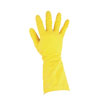
Staying safe whilst using potentially dangerous cleaning chemicals is crucial, therefore PPE (personal protective equipment) should be worn. This can be as simple as a pair of rubber gloves, these stop corrosive and harmful substances touching skin, which can prevent irritation and burns. Single-use or disposable gloves can be used for cleaning, so long as they are low-protein, powder free gloves, however they must be disposed of after use.
Guide: For further information about what gloves you need, see our guide on which gloves to buy.
Footwear
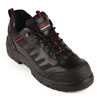
Water-resistant and slip-proof footwear must also be worn when cleaning. Water resistance reduces the risk of chemicals penetrating the fabric and causing harm to the skin on feet. A slip resistant sole is also essential for maintaining safety whilst cleaning with chemicals. Cleaning floors can combine a mixture of chemicals, water and greases, creating a slippery surface that can cause injury. Slip-resistant shoes ensure that cleaning can be carried out with a dramatically reduced risk of slipping.
TIP: Stay safe at work with Slipbuster's range of safety footwear.
Goggles
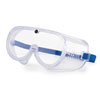
Protective eyewear is designed to allow for maximum vision whilst protecting eyes from harmful products such as bleach. Rigorous cleaning can cause splashes of liquids and chemicals, so waterproof safety goggles are perfect for protecting eyes from harm.
TIP: Safety goggles are part of the wide range of PPE equipment that is designed to protect the user when at work.
Be Prepared
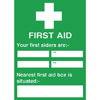
Prevention is the best cure; however accidents can happen, even when you have taken every precaution to maintain safety in the workplace. Being prepared for an injury is just as important as trying to prevent it, so first aid supplies are required by law in all workplaces. What you need to provide in your first aid kits will be determined by a health inspector, so finding out exactly what you need is crucial to offering your staff and customers the safety and aid needed in the event of an accident. All first aid boxes require a sign; a white cross on a green background, ensuring a universally recognised symbol to assist in rapid aid when needed. The same sign is also required on the door or wall of the room that stores the first aid kit(s), placed in an easy to see and obvious location (not obstructed).
If you would like to know more about cleaning chemicals, please visit our guide to Buying Cleaning Products.