
What Is The Third Wave of Coffee, and Where Did It All Begin?
Put simply, third wave coffee is the third definitive change in coffee culture, demonstrating a thirst for knowledge, desire for education and equality within the coffee industry. It is a renewed focus on quality and value which could be compared with that of the wine industry, but in order to understand third wave coffee in context we’ll need to revisit its history.
Shop Coffee Supplies NowCoffee History
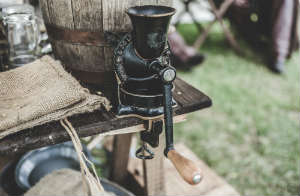
As far back as 1650, coffee houses in England were frequented by courtiers and artists of the time who arrived to take in more than the aroma of freshly roasted coffee. Much like the public house or tavern, this was a place not only to drink but to discuss news, politics and trade.
During the 18th century, coffee beans started to be roasted on a large scale, creating a massive demand for the raw green product from developing countries such as Brazil, Uganda and Chile. From just a select few coffee roasters this fresh, organic product was already creating a splash in what was to become known later as the first ‘wave’ of coffee.
Coffee Fact 1: What does coffee do to your body, and how does it wake you up?
The caffeine in your coffee imitates a substance called adenosine which controls your body's nervous system and lets you sleep. With the absence of adenosine, two neurotransmitters: dopamine and glutamate, are allowed to roam free and over-stimulate your mind. When you experience a caffeine 'crash', it is because your adenosine levels are being replenished, blocking the neurotransmitters which provide that buzzing feeling.
What is the First Wave of Coffee?
Around the turn of the 20th century, coffee gained market traction from two key innovations, helping to turn the once exotic, luxury indulgence into an everyday commodity. Suddenly, coffee could be freeze-dried and vacuum-sealed, giving it a longer lifespan and instant preparation time. It finally fit the vision of suburban utopia which demanded convenience at one’s fingertips. What this did was make coffee a staple of modern, everyday life, a drink for the masses where it had previously been socially exclusive.
Coffee Fact 2: What can coffee grounds be used for?
Used coffee grounds make a great scrub, which is very effective when removing grease, oil or pungent smells from the skin such as onion and garlic. They also make great fertilizer for acidic plants, as they contain nitrogen; potassium and magnesium which acid-loving plants need to stay healthy. You can even use them to deodorise your fridge: stick in a cup of used grounds to absorb any unwanted smells.
What is the Second Wave of Coffee?

The 1970s witnessed a coffee explosion with a helping hand from domestic appliances such as the first automatic filter brew machine: ‘Mr. Coffee’. It was around this time that an interest in speciality coffees developed and the beverage became more of a social event than just a convenient ‘pick-me-up’ or what was commonly known as
a tonic (of which tomato ketchup is a famous example).
Even coffee jargon washed up on the shores from Italy, with terms like ‘espresso’ and ‘latte’ being thrown around. What the second phase is remembered for mostly though, is the rise of the coffee shop. By the time Starbucks opened in 1971, coffee drinking was accepted as a legitimate leisure activity. Influenced by the success of ancient European coffee houses, the corporate giant created a gargantuan franchise over the next decade which precipitated the ‘grab-and-go’ lifestyle of the 80s, eventually leading to a third movement..
What is the Third Wave of Coffee?
Shortly after the millennium, a fresh emphasis on the transparency of the coffee business emerged around 2002. Not only had coffee drinkers become knowledgeable and cynical about quality, they had begun to question the history and journey of their beans. Whatever was going on behind the scenes was now a matter of consumer interest.
In many ways this third wave is seen as a reaction to the diminishing quality of coffee, rising prices and suspicious nature around the meaning of the term ‘fair trade’. After all – freshly roasted coffee hardly compares to the supermarket-stocked instant variety in terms of price. This meant discovering which farm, not just the Country in which the beans are grown. It also affected the way in which the beans were roasted, with the intent to bring out unique characteristic from each blend rather than overcook them to draw out a sub-par product.
The effects of the third wave can still be felt today: coffee education has been firmly established, and independent coffee shops are rising up to compete with big chains – and all this has stemmed from a fresh interest in the source and traceability of coffee beans.
"Speciality coffees have definitely picked up in the past 5 years. They call it the third wave because it’s the third wave of ‘decent’ coffee, but recently this is the first time we’ve seen people come in and request specific varieties and that they want a washed process, for example. Even on the commercial side, businesses who have been selling generic coffee want higher quality coffee to compete with the markets around them." Mac from Extract Coffee Roasters: Bristol.
Coffee Fact 3: Why does coffee taste bitter, or burnt?
The easiest explanation for this is that the extraction time of the coffee brewing was too long. If you grind your coffee beans too fine, the chances are that you risk over-extracting the flavour, resulting in a bitter or ‘charred’ taste. If your coffee beans appear shiny, it is a sign that they have been over-roasted, as the natural oils have been forced out of the beans with heat and pressure. This is likely to result in a bitter, ‘ashy’ tasting coffee. The addition of milk and sugar in coffee is so common because they help to balance this bitterness.
Is There a Fourth Wave of Coffee?
If there was any significant change to coffee culture since the third wave it could be the extraordinary variety of brewing methods, as well as a knowledge and desire for organic , single estate coffees, but it seems we are still surfing that third wave. Either a fourth wave is yet to be acknowledged or coffee culture is now evolving at such a rate that each phase is quickly superseded by the latest gimmick.
Article: What is Third Wave Water?