
What is charcuterie?
Charcute stems from the French noun 'Charcuter' which means 'to butcher'. However, charcuterie describes prepared pork of all sorts: bacon, ham, salami, sausage, terrines, pate, confit and more.
‘Char’ means flesh, and ‘cuite’ is old French word for ‘cooked’. During the fifteenth century, ‘charcutiers’ were not permitted to sell uncooked pork due to the obvious dangers of raw meat. This is how meat started to be salted and cured in this specific way on a commercial level.
Imported, dry-cured meats like Prosciutto and Serrano ham have been long-time servants on any meat platter. But British-made charcuterie is now popping up frequently in food markets, restaurant menus and at home. So is British charcuterie here to stay and how can this be of benefit to you?
Shop Chefs Knives NowOrigins Of Charcuterie
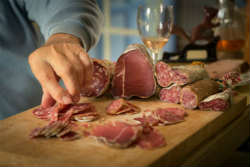
Whilst we often consider quiche, pork pies and scotch eggs more familiar snacks, our continental neighbours prefer to slice saucisson and break bread with friends, which is the essence of charcuterie..
The origins of cured meat can be traced back to a more practical purpose than taste. The craftsmen preparing this food were esteemed butchers, masters of their domain, forming guilds and playing a crucial part in supplying food to the local town. By the time of the French revolution, nearly one hundred charcutiers were operating within Paris.
Initially, the process of curing meat was never designed to enhance its flavour, but rather born of necessity – a form of preservation to keep the meat edible during the winter months. By drying meat and smoking it over a fire, using juniper berries or other herbs and spices to add flavour, it could be preserved and stored for longer. In Britain at least, as soon as refrigeration became widespread, this practice of curing meat almost became extinct and now there are many who wish to revive it.
Buy Local and Sustainable
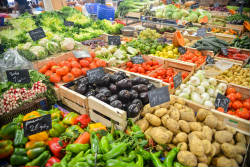
As a nation, we import a huge volume of our food and drink. Since the rising costs of imported meats, we’ve naturally explored options closer to home. But price isn’t the only factor driving this renaissance. A renewed confidence in British-made goods has helped British Charcuturie on its journey. Bubbling under the surface, charcuterie distributers in the UK have increased tenfold in just seven years, resulting in specialist venues arising all over the Country. Strangely then, anxiety surrounding our departure from the European Union has actually become one of the main catalysts for the rise of British charcuterie.
British Charcuterie
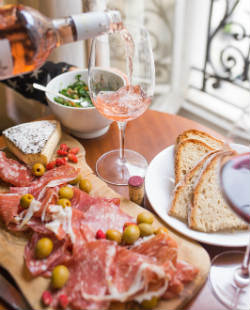
Now Britain has its own distinctive, world-class produce. One of the main differences in this curation is the freedom, unbound by the traditional rules of its European peers. Great examples of this include seaweed and cider salami from Cornwall, venison bresaola, air-dried mutton and fennel seed salami also known as ‘finnochiona’. What better way to restore confidence in our economy than by buying food produced on our own doorstep?
Thanks to the high quality hams, biltong and salami produced by companies such as Cannon & Cannon, and Cobble Lane Cured, many UK restaurants seem firmly aboard the supplier chain which is encouraging more investment and future growth.
Jamie Oliver has turned to his restaurant chain’s supplier: Cobble Lane Cured, for a long-term investment, believing that this industry will only expand further as time goes on. Somerset charcuterie report on an 'adventurous era' in which artisanal producers are free to experiment with new flavour combinations, infusing meat and herbs in more creative ways.
It’s also a healthy period for British-reared meat, with many more nurseries located in rural areas. Forest pig charcuterie is one such firm. They pride themselves on providing the most natural surroundings for their animals, a benefit that is rarely feasible in mainstream agriculture. These pigs are free to forage for acorns, herbs, truffles, bluebell bulbs and other tasty treats to be found in the forest. This fresh forest-dwelling lifestyle translates into great flavours and outstanding quality produce for your charcuterie platter.
Tip: Charcuterie looks great on slate thanks to its rustic appearance and colour contrast with most foods.
Preparation and Service
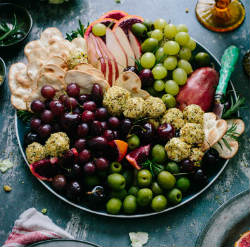
When served with fresh bread, olives and chutney, charcuturie becomes a mouth-watering plate of flavours that is very simple to prepare when you have the right utensils to hand. Additionally, the ingredients for your charcuterie platter can be prepared with only a few select tools.
Firstly, a high quality bread knife will help save time and effort in preparation, not to mention the effects on the final presentation.
One of your most valuable assets when making cheese boards and charcuterie platters is a heavy duty cheese slicing board. It's not just to speed up the preparation times, its also about consistency and presentation, which this cutting platform can guarantee time after time.
You'll also want to consider an attractive vessel for your mustard or chutney. You can also use honey pots or anything that is both practical and adds to the presentation of the food, including small preserve jars. Your charcuterie platter could include sliced apple, grapes, pickled gherkins and onions, stuffed tomatoes, tapenade and seasonal ingredients to suit your menu.
Article: If serving charcuterie on wooden boards, how can you ensure they are thoroughly clean? Read our full length guide to keeping wooden boards hygienic and food safe.
Knowledge is Value
It is beneficial both for you and your customers to know about the source and quality of your meat and produce. Just as free range has its merits, a simple line underneath the charcuterie platter on the menu can point out to customers that the meat is locally sourced, and can easily be traced back to the farm. Sourcing a reliable supplier is not difficult with a rapidly growing distribution network but it will also drive competition which may mean you can negotiate a decent price for your charcuterie too.
If you’re a delicatessen or supplier then there’s even more reason to ascertain knowledge of the foods you sell. Knowledge is becoming part of the value when it comes to ‘specialist’ food and drink such as charcuterie, wine and coffee.
Local charcuterie producers have much to benefit from the reduction in food miles, therefore reducing the environmental impact of transport and strengthening the supplier chain. This also offers more support for local food initiatives, such as promotions in food markets and stalls. Localised events help to keep food miles down even further. So, the increase in the cost of imported food can be counter-balanced with localised events such as this.
In much the same way as artisan coffee, pastries and cakes, knowledge has become part of the value when it comes to cured meats. The benefit of local knowledge is not only to reduce food miles but to install customer confidence when the produce can be traced back to the farm.
Tip:Use lighting to your advantage when displaying food, our article on how to light your business effectively will show you how.