
What is Menu Hacking?
Menu Hacking (or menu customisation) is when a diner requests the personalisation of their meal to make it unique to themselves. Sometimes known as Build Your Own Meals (or even Pay by Weight), there are all sorts of reasons people do this – from food allergies and personal preference, to simply wanting to try out a new flavour combination.
The Expansion of Menu Hacking
Perhaps the first modern example of Menu Hacking was the rise of the “Secret Menu”. Unofficial and unadvertised, secret menu options are still commonly available in fast food restaurants and coffee shops today. The thing with secret menus is that, well, they aren’t remotely secret. In fact, many chains publish their secret menu online and even trademark the names of their secret menu options. By having a secret menu you can reduce your main menu clutter and give your customers the feel of exclusivity when they order from it.
Today, the rise of touch-screen technology and fast internet connectivity has pushed the boundaries of menu customisation – especially in terms of fast food dining. New concepts allow customers to personalise their orders on in-store tablet computers or on their smartphones, sometimes even before they’ve even arrived at the premises.
Why Do People Menu Hack?
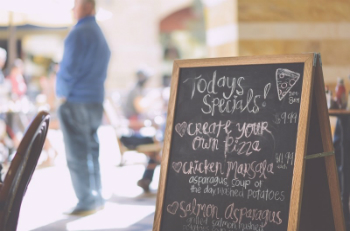
At its heart, Menu Hacking is great for the customer. Whether they build their meal completely from scratch or simply exchange their triple-cooked chips for a healthy salad, the option to adapt the menu helps to ensure great customer service. However it’s important to manage customer expectations. Staff should be knowledgeable about the requests that can and can’t be accommodated. Likewise, you might not always have a specific ingredient available, especially in chains where the process for buying ingredients might be centralised. Or perhaps if it’s particularly busy it may not be feasible to produce a “Menu Hack” dish which takes an unusually long time to prepare.
Another great reason to allow Menu Hacking is to reduce wastage and improve margins. As the most common type of customisation is removing ingredients or sauces, food such as grilled mushrooms or tomato stays in the kitchen ready for the next diner instead of going in the bin. Whereas you generally wouldn’t reduce the price of a dish if an item is removed, it’s a great opportunity to charge extra if an item is added (22% of diners add extras to their meals). Also, there’s the prospect of learning about which flavour combinations your customers prefer by listening to what extras or sides are regularly added or removed.
There’s also a positive psychological element to “build your own” menus. Having unique, personalised dishes adds a feeling of ownership and exclusivity for customers. Some fast food restaurants even name secret menu items after the customer who orders them – guaranteeing return trade, at least from that one individual!
According to recent OpenTable research, 28% of diners admitted to previously ordering completely off-menu. In addition, 38% of diners said that if they craved a certain dish, they’d rather order it off-menu in a restaurant they love rather than trying out somewhere new. Perhaps surprisingly, over half of all diners (56%) regularly request changes to dishes to suit their tastes.
Of course, there are risks involved in allowing customers to build their own dishes. Unusual additions or menu changes need to be costed carefully, as returning customers won’t expect a sudden jump in price. In addition, it’s worth noting that even when customers ask for an amendment to their meal, they generally aren’t prepared to wait any longer than usual for service.
How to Implement Menu Hacking
There’s plenty of ways to allow your customers to customise their meals:
- Pizza – people have been customising pizza since the late 18th century. Try more healthy or "free from" toppings and bases instead of the standard pepperoni – or simply allow customers to put whatever they want on the pizza. Perhaps a bring your own topping night could create a buzz.
- Portion sizes – having an XL or even a “secret” XXL version of a dish available can create quite a stir, especially if there’s a challenge or prize for finishing the whole lot.
- Build your own salad/sandwich bars have long been popular, especially so in carvery or buffet style eateries.
- Having a Pay by Weight option is the ultimate in Menu Hacking. Customers can really choose whatever they want - although it’s vital to ensure a good cost/value balance. Also, pay by weight can be tricky to implement, as even small errors can lead to complaints.
Where Next for Menu Hacking?
It would seem as though this is just the tip of the iceberg for Menu Hacking. In fast food outlets, the rise of technology will help to speed up service and provide customers with a more personalised choice which can be accessed with the swipe of a smartphone. In more formal dining, it’s likely that customers demands will continue to increase – although that only adds to the opportunity to improve your bottom line.
TIP: Any good Menu Hack starts with a good menu. Check out our vast selection of Table Menus and Holders.