
What is Acrylamide?
From April 2018, UK businesses will have a duty to manage acrylamide levels as part of EU legislation. This will be mean reviewing food safety management in an effort to reduce the presence of acrylamide in food. But how is acrylamide formed when frying popular foods on your menu? How much is too much? How will new legislation affect your day-to-day business?
How is it Formed?
Acrylamide is a chemical compound which can be formed in the process of frying, grilling, toasting, roasting and baking of some foods including potato, grains and coffee. This process is known as the Maillard reaction which starts at 140 degrees centigrade, chips usually start to crisp up at around 190 degrees which is when they can quickly change their colour to brown. The process is a reaction of amino acids and sugars, making acrylamide a natural bi-product of cooking at these temperatures.

Some foods are traditionally served with some charring, such as Neapolitan pizza which usually shows some 'leopard spots' around the crust as a result of cooking at very high temperatures in a wood fired oven.
Whilst food businesses will take action to tackle acrylamide levels, well known characteristics of food like leopard spots on pizza shouldn't pose a problem for food service operators.
Similarly, meat and fish also contain very low levels of acrylamide when cooked, so it unlikely that they will be affected by the new legislation.
Is Acrylamide Hazardous to Health?
Acrylamide is a substance that has always been present in our food, and has probably been ingested for many thousands of years. It’s only now due to recent research that it has become a cause for concern.
Research shows that acrylamide is a potential carcinogen, meaning it can could cause cancer although at this time, evidence of this is inconclusive. In the meantime however, practices set to reduce exposure to acrylamide will be precautionary measures until more results are concluded.
Known as ‘go for gold’ The FSA has been campaigning since January 2017 for greater awareness of the substance, to promote lower levels of acrylamide produced in both home cooking and food industry processes.
What is the Impact of Acrylamide Regulations?
The impact of the EU regulations will require all food manufacturers, fast-food chains and restaurants to take measures to ensure acrylamide levels in their products remain below a set benchmark.
More specifically, the regulations state that acrylamide should account for no more than 750 microgrammes (0.00075g) per kilo in any food, although there will be no sanctions imposed as a result of breaching this limit. It’s also been clearly stated that measures will remain “proportionate to the size and nature of their establishment”. The EU is also yet to publish final guidance on this issue, but as of April, all food service operators will be expected to:
- Acknowledge acrylamide as a food safety hazard
- Take necessary steps to reduce the formation of acrylamide
- Periodically sample and analyse food to monitor acrylamide levels
- Keep appropriate records of mitigation processes, sampling data and test results
Which foods do the regulations apply to?
As acrylamide mostly affects starchy foods, popular menu choices such as steak and chips are more likely to be affected by new regulations. So it is worth revisiting your menu to check which items will be affected, and can be highlighted to your staff.
A common misconception about acrylamide is that it is only fried chips, potatoes and crisps which produce it. However, there are many more products such as toast and coffee, breaded products, root vegetables and bakery products like doughnuts which will be affected. Other food groups affected are:
- French fries, cut and deep fried foods
- Crisps, crackers and other products made of potato dough
- Bread
- Cereals, including cereal bars
- Biscuits, cookies, scones and other bakewares
- Coffee
- Baby food

How can you reduce acrylamide?
Lowering acrylamide levels can be done by cooking potatoes and bread until they reach a light brown colour. Cooking these foods at higher temperatures and for longer periods will produce higher levels of acrylamide. Using cooking timers and reducing cooking times are both obvious ways to avoid the over-browning of foods, but there are many other solutions to put into practice:
Food preparation
Food selection and preparation can affect the levels of acrylamide produced in cooking. Contact your supplier to find a potato variety which has a lower sugar content to help reduce acrylamide levels produced in cooking.
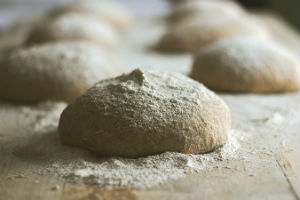
In baking, the PH level of dough can also affect acrylamide levels. Adding citric acid or using a process of lactic fermentation can help to reduce acrylamide, which is used in the preparation of sourdough. Extending the yeast fermentation time is also necessary to achieve reduced levels.
Optimising the moisture content of the dough will also help to reduce acylamide, as well as lower oven temperatures which can be compensated with extended cooking time.
Food storage
Food storage also has an effect on these levels. For example, storing potatoes in the fridge can cause ‘cold sweetening’, leading to the formation of free sugars in the potatoes and making them more likely to develop acrylamide during cooking. Instead it’s best to store these in a cool, dark space instead which will also help to prevent them from sprouting. Try to keep them at 6 degrees Celsius or higher. Using high quality food storage for your ingredients will preserve their freshness for longer and slow down the oxidisation process.
Pre-cooking
Before frying chips or potatoes (as long as they’re not frozen) you can wash or soak them in cold water beforehand for between 30 minutes and two hours. Alternatively you can blanch them in boiling water. Both these methods will be effective in reducing sugar content, and so decreasing levels of acrylamide.
Cooking and Oil Maintenance

Crumbs and fine particles of food left in your cooking oil may also contain acrylamide within the oil and continue to do until removed. This highlights the importance of regular filtration and skimming of cooking oil.
Frying at a maximum temperature of 175 degrees Celcius or lower can also help minimise the formation of acrylamide.
Using the correct frying oil for your requirements and oil management tools will help you to change oil at the right time. For an example, a professional-grade oil tester will not only give you an accurate temperature reading but also measures the TPM (Total Polar Materials) value. This will quickly indicate if your oil needs to be changed.
Oil filters and fry powder can also help you keep costs down by improving the quality of your cooking oil for longer.
Showing a colour guide in the kitchen will also help the implementation of these changes, and ensure the safe preparation of starchy foods.