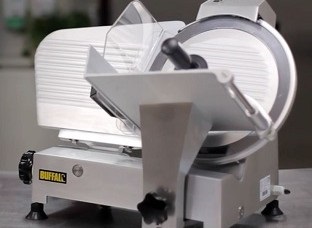
What is a Commercial Food Mixer?
A commercial mixer is the perfect machine for quickly mixing batches of dough or batter. Ideal for restaurants and bakeries, these work the entire bowl thoroughly using powerful motors and attachments, leaving the contents perfectly mixed and aerated.
Mixers are incredibly versatile and many have various heads and attachments which allow you to achieve any mix you want. Whether you’re whipping cream, kneading dough or simply doing a batch of cake mix, a commercial mixer is a great choice to save time and effort.
TYPES OF FOOD MIXER
Planetary Mixers
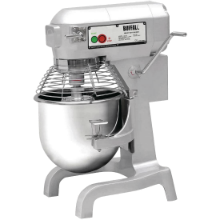
Planetary mixers are named after the way the mechanism moves within the bowl to work the contents. Sometimes called stand mixers or cake mixers, these are usually mounted on a heavy base and can either be free standing or positioned on a counter top.
Thanks to their versatility, planetary mixers are popular in sites which mix a wide variety of ingredients.
- Planetary mixing action works the whole bowl – all the ingredients are mixed.
- Wide variety of mixing attachments maximise versatility. Most include beaters, dough hooks and wire whisks which can be interchanged easily.
- Variable speeds for different mixing tasks such as fast cream whipping or a slow pizza dough knead.
- Large bowls allow you to mix big batches of food. Typical commercial planetary mixers are available with bowl capacities between seven and thirty litres, although much larger versions exist for the biggest, most industrial sites.
Dough Mixers
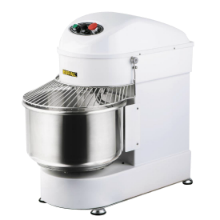
Often called spiral mixers or fork mixers, dough mixers are unique in the way that the whole bowl is rotated, instead of the mixing mechanism. The rotating bowl ensures that all of the contents are pulled past the dough hook or mixing forks, which are strong enough for huge quantities of heavy dough.
Dough mixers are popular in pizzerias, bakeries, canteens and other large volume sites.
- Rotating bowl means the mix is gentler – allowing the dough to develop the proper gluten structure. By keeping friction heat low, spiral mixers help to prevent the dough from being overworked.
- Multiple speed settings allow you change set the mixer to optimise the dough consistency – low speeds for bringing the dough together and higher speeds to develop the dough further as required.
- Spiral mixers have some of the largest available capacities for dough. If you’re doing large batches of the same mix every day, dough mixers are ideal.
Other Types of Mixer
Cutter Mixers
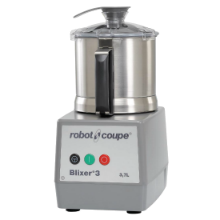
Sometimes called blixers, cutter mixers combine the functionality of a mixer with a food processor. Generally, cutter mixers are used more like large capacity food blenders, slicing and mixing large quantities of ingredients without liquidising them. Some cutter mixers such as the Robot Coupe Robot Cook allow you to cook and mix simultaneously.
Hand Mixers
Hand mixers are small, portable mixers generally reserved for purely domestic tasks. Variable speed stick blenders with interchangeable shafts can be an excellent choice if you're looking for a portable commercial alternative.
Gigamix
One of the largest food mixers available, a Dynamic Gigamix is fitted to its own adjustable mobile trolley and has a highly powerful motor. Often used to mix the contents of bratt pans or cooking kettles, Gigamixes can process up to 300 litres of food at a time.
Domestic Mixers
There’s a huge range of domestic mixers available on the market, many of which look quite similar to their commercial counterparts. To confuse matters further, some home models might even be given professional-sounding names too.
If you’re looking for a mixer for your home, domestic mixers are usually ideal for most tasks. However, if you need something for your restaurant kitchen, make sure to choose a commercial mixer. The best way to tell the difference is by checking the warranty information. If it says "no commercial warranty", the mixer is only covered for home use.


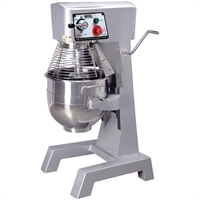

Food Mixer Features: what to look for
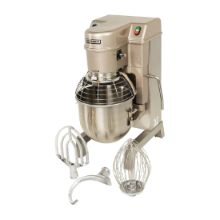
There’s usually quite a big difference in price between entry level and top-end professional mixers. As such, it’s important to understand the various features so you can match the capabilities of the mixer with your requirements.
Bowl capacity & Power: crucially with commercial mixers, the power rating is vital to ensure doughs are kneaded thoroughly without excess wear and tear on the motor. Professional mixers usually match the motor power to the capacity, so you can be confident that you can mix a full bowl, depending on the ingredients. Still, if you’re going to be mixing especially heavy doughs, it may be worth opting for a more powerful model.
Electricity connection: smaller mixers can usually just be plugged into a 13A mains power socket. However, larger models may require more power to operate and could require a permanent “hard wired” connection. For more information, see the single phase and 3 phase explained guide.
Mix speeds: most mixers have the ability to adjust the speed of the mix. For example, Commercial KitchenAid Mixers have ten speeds, whereas some large planetary mixers might only have three speeds which can only be changed through a gearbox when the motor is switched off. If you’re doing very precise mixing, models with easily-adjusted speed controls are generally preferable.
Control: mixers are operated by either manual or digital controls. Whilst many people prefer the simplicity of manual controls, mixers with digital control panels can usually be programmed to stop when required. This not only helps to prevent overmixing - it also makes it much easier to do multiple batches simultaneously.
Bowl/head lift: as bowl capacities get bigger, the contents get heavier too. This can make it quite tricky to position the bowl ready for mixing. Mixers with bowl or head lifting mechanisms help you to position the bowl correctly and prevent injury. Smaller models often have pivoted heads, which make it easier to swap mixer attachments too.
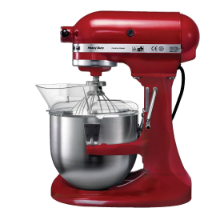 Pouring chute: it can be very dangerous to add ingredients to a mixer whilst it’s in use. Models with pouring chutes allow you to safely add ingredients during operation.
Safety: health and safety legislation means that all commercial mixers must adhere to certain safety standards. With powerful gears and large mixing mechanisms, mixers can be dangerous if not used correctly. Whilst most have features such as bowl guards and emergency stop buttons, it’s important to ensure moving machinery like this is supervised and maintained correctly. Use kitchen safety signs where appropriate.
Warranty: all professional mixers have a commercial warranty, usually ranging between one and three years. Some models may have extended warranties on certain parts, such as the motor. It’s worth noting that many models can still be repaired years after the warranty has expired.
Planetary Mixer Heads
Planetary mixers are usually supplied with three mixing heads – a dough hook, flat beater and wire whisk. Each has a different mixing specialty as the table below demonstrates.
| Ingredient | Wire Whisk | Flat Beater | Dough Hook |
|---|---|---|---|
| Waffle/Cake Batter | ✓ | ||
| Whip Cream | ✓ | ||
| Mash Vegetables | ✓ | ||
| Egg Whites | ✓ | ||
| Meringue | ✓ | ||
| Pizza/Bread Dough | ✓ | ||
| Fondant Icing | ✓ | ||
| Pie Dough | ✓ | ||
| Pasta / Egg Noodle | ✓ | ||
| Soufflé | ✓ |
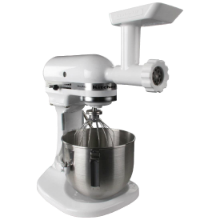
Some of the most popular KitchenAid planetary mixers also have an attachment hub fitted to the head. This handy addition expands the versatility of the mixer even further, allowing you to perform many tasks which would otherwise need a completely separate appliance.
Common hub attachments are pasta rollers/cutters, grain mills, sausage stuffers and spiralisers. The full list is available in the
KitchenAid Spares section.
Although highly useful, it's worth noting that hub attachments aren't generally designed for all-day heavy duty use. If you're planning to carry out intensive tasks, a dedicated appliance is usually recommended.
Frequently Asked Questions
What is the best commercial mixer?
The best mixer is the one which matches the performance, capacity and functionality you need. For some businesses, an entry-level model could be perfect value if it's only being used occasionally. Other sites may need something far more powerful. Check the product information before purchase.
Is there any difference between domestic and commercial mixers?
Yes. Commercial mixers are designed for professional use, so they have a commercial warranty - covering them for use in the professional kitchen. Domestic mixers are only designed for occasional home use, so there's no commercial warranty available. In addition, professional mixers use tougher materials and can usually mix much larger batches in comparison to their domestic counterparts.
Where can I buy commercial mixer spares?
There’s a huge stock of spares and other attachments ready for next day delivery right here. Whether you need a new bowl or a replacement drive belt, check out the catering spares and accessories section for the full range.
Are there any alternatives to large commercial mixers?
If your budget doesn’t stretch to a large electric mixer, you can always choose a manual utensil in the meantime. There’s a huge selection of professional whisks and mixing paddles available on this website.
What's the difference between spiral and fork dough mixers?
Spiral and fork dough mixers work in a very similar way. The main difference is that spiral mixers use a rotating dough hook, whereas fork mixers use rotating prongs. Spiral mixers tend to bring all the dough into one mass, whereas fork mixers gently work smaller parts of the dough, preventing it from warming up as much - generally preferable when mixing pizza dough.