Last orders for boozing britain?
Drink – it’s the single word that, for centuries, has summed up British social life. Whether it’s a catch-up with friends, a family get together, a celebration, commiseration or anything in between, drink has more often than not been at the centre of them all.
But, with 2018 seeing pubs close their doors at unprecedented rates and drinking on the decline across the UK, is boozing Britain finally calling last orders on its love affair with alcohol? And where does that leave the hospitality sector if so?
With an opportunity. From mocktail recipes and non-alcoholic drinks ideas, to fresh alternatives five-star restaurants are serving up in place of booze, read on for some key ideas on turning the tide of sobriety to your advantage.
Why are we drinking less? And what does it mean for businesses?
To reverse the trend of pubs shutting shop throughout the UK, we need to understand how Brits’ drinking habits are changing – and why. What’s driving this change?
Mainly, Millennials.
Born between 1981 and 1996, they’re the highest spending generation today, now rapidly approaching middle age. Blamed for everything from the decay of the high street at the hand of online shopping to the slow decline of cinema as streaming services like Netflix continue to grow, their spending habits have reshaped many of the once-solid industries their parents helped prosper.
And next in their sights is alcohol. More than a fifth (20%) of Brits now identify as non-drinkers, with 10.6million of us now avoiding alcohol. This number soars to around 29% for Millennials and their upcoming successors, Generation Z – up from just 18% in 2005.
Even among those who still enjoy a tipple, 75% of these younger drinkers are now careful about how much they drink on a night out. So even when indulging, Millennials and Gen Z are choosing to do so at much lower levels.
TIP: 29% of Millennials and Generation Z now identify as non-drinkers, so catering for them is essential.
Understanding the sober surge
So why are Millennials and Generation Z shying away from alcoholic drinks? Theories span everything from an increased sensitivity to cost by a generation who came of age during a global financial crisis, to a heightened awareness of the impact of a poor diet on the body, driven by increased education and the inescapability of health-conscious celebrities in the media (think Gwyneth Paltrow and Jamie Oliver).
But the most popular theory for this drinking downturn? Social media.
Digital vs Drinking
Generation Z, who are just now entering adulthood, are true digital natives.
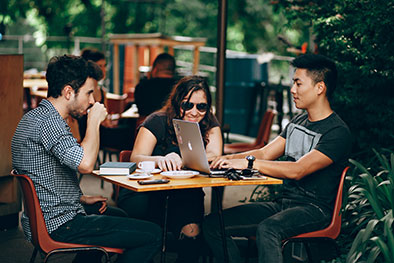 Born post 1996, most were still in primary school when the internet really took hold.
Having grown up with the digital world at their fingertips, they’re now active on an average of five social media sites a day.
And Millennials aren’t far behind. This makes them the most connected – and arguably, social – generations in history.
Born post 1996, most were still in primary school when the internet really took hold.
Having grown up with the digital world at their fingertips, they’re now active on an average of five social media sites a day.
And Millennials aren’t far behind. This makes them the most connected – and arguably, social – generations in history.
But it also makes them the most self-monitoring.
Whereas a heavy night on the tiles may have been quietly forgotten 20 years ago, now, in the age of smartphones, embarrassing snaps from a night out can make their way online almost instantly. This makes them visible to everyone from family members to work colleagues in way they wouldn’t have been in the past.
Being spotted looking worse for wear on a night out has never been easier, so is it any surprise the younger generations are wearier to let their hair down?
Young Brits' Drinking Habits
- 29% identify as non-drinkers
- 36% have been 'socially shamed' online after drinking too much
- 59% cited a 'fear over loss of control' as their reason for drinking less
This obviously makes drinking, and the uninhibited state it used to be loved for, an issue. And studies support this. In one survey by Heineken, 36% of millennials claimed they had been ‘socially shamed’ on social media after pictures and videos of a night on the tiles made their way online.
As a result, 59% cited ‘fear over a loss of control’ as the dominant reason they choose to limit their alcohol intake on a night out. It looks like alcohol could be going the same way as cinema, another old-world victim of the all-conquering internet.
"59% of Millennials limit their alcohol intake due to fear over a loss of control" – Heineken Study
How can you profit?
So where does this leave businesses? Essentially, with a choice: to stick with spirits and hope to pull in enough of the still-drinking to turn a tidy profit, or to branch out in an effort to draw in the ever-growing numbers of the alcohol-averse.
Given the year-on-year increase in teetotalism (just 18% of young Brits identified as non-drinkers in 2005, as opposed to 2017’s 29%) catering for the sober seems the sensible choice.
World champion flair bartender Tom Dyer agrees. No stranger to the ins and outs of the alcohol industry, he’s noticed a trend. “The new generations are drinking less, and the older generations are cutting back heavily on their alcohol intake,” he says. “The drinking culture is changing, and that means bar offerings and bartenders need to change with it. There’s a clear shift in perspective.”
"The new generations are drinking less, and the older generations are cutting back heavily" - World Champion Flair Bartender Tom Dyer
But how do businesses do this? What do non-drinkers actually want, and are they willing to spend to get it? If the recent spike in sales of no or low alcohol beers and wines is an indicator of anything (low alcohol wine sales have rocketed 1000% since 2009, now worth £70m annually), it’s that teetotallers want the same flavour experience they’d get from a real alcoholic drink, and they’re willing to splash out for it too; all they’re looking to avoid is the alcohol itself.
Heineken’s study suggests the same: 41% of respondents put ‘taste’ as the key factor that determined their choice of drink. 19% citied price, and just 4% mentioned ABV. We may have lost our love for the effects of alcohol, but we certainly haven’t lost our taste for it.
Drinkers' Changing Tastes
- Low alcohol wine has soared to 1000% its 2009 value
- Market value of non-alcoholic beer has risen 58% in the last year
- 41% of drinkers put 'taste' as their main reason for choosing a drink
- Just 4% are concerned with the ABV strength of their drink
What you need to do, then, is offer non-drinkers something that can match alcohol for its complexity and flavour. It’s also worth considering here that not all non-drinkers avoid alcohol for social reasons. Many choose to limit their intake for the body-and-mind boosting effects sobriety can bring. Last year, seven in ten dry January participants reported better sleep, while three in five lost weight. For many, sobriety means wellbeing, which makes sugary soft drinks as unlikely to pull in the sober crowd as neat whiskey.
So how do you create something that’s a little more sophisticated than a soft drink, and a bit healthier too?
Mocktails!
"Teetotallers want the same flavour experience they’d get from a real alcoholic drink, and they’re willing to splash out for it too; all they’re looking to avoid is the alcohol itself."
What is a mocktail?
A mocktail is, at its core, exactly what you’d think – a cocktail without the alcohol kick.
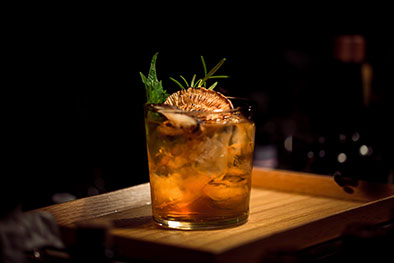
Tipped as one of 2019’s biggest wellness trends, these no-alcohol mixtures are due their moment in the sun. And savvy businesses should be fighting to offer them.
"Now is the time for bartenders to start looking at this world of mocktails or virgin cocktails, whatever you want to call them," Tom Dyer says. "There is a huge gap in the market with a demand that is getting bigger and bigger."
And the benefits don’t stop there: "Mocktails will also bring more creativity into your bar, meaning that your general offering should improve for the alcoholic cocktails too," Tom adds.
Sober or boozy, cocktails are worth getting into.
"Now is the time for bartenders to start looking at the world of mocktails... there is a huge gap in the market with a demand that is getting bigger and bigger" – World Champion Flair Bartender Tom Dyer
HOW TO MAKE A MOCKTAIL
But how exactly do you make a mocktail? "A simple way to get started when it comes to creating mocktails – and it’s no secret," Tom says, "is to look at the cocktails you have and figure out how to make them non-alcoholic."
Pretty simple.
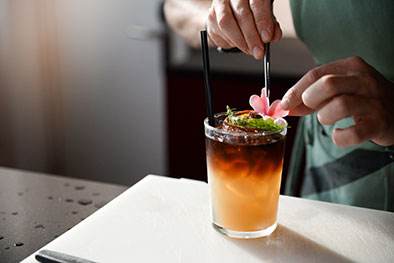
But the problem, Tom highlights, is that simply omitting the alcohol from a tried and tested classic can disrupt the delicate balance of flavours that makes it so tasty. Where the rum cuts through the sweetness of pineapple and coconut in a piña colada, a virgin version misses the complexity the spirit brings and can end up being sickly sweet as a result.
What you should be looking to do is replace the alcohol with something equally as alluring. Or, you could create a mocktail from the ground up, mixing up a drink that doesn’t rely on alcohol to be interesting.
Alcohol, in a cocktail, doesn’t necessarily add much in terms of flavour. Usually overtaken by the non-boozy ingredients, ask a cocktail drinker to identify what the spirit brings to the drink, and they’ll typically say something like heat (from the alcohol ‘burn’) or astringency (that drying effect on the mouth alcohol can cause, most noticeably in a good red wine).
What alcohol really does is bring out the flavour of the cocktail itself, enhancing the ingredients as a whole, rather than serving as the primary one. So the first way to make a mocktail interesting is to mimic these effects. Here, ginger beer can serve as a fiery substitute to the heat of a good spirit, and astringency can be achieved by over-steeping black tea (to make this, put two teabags in a cup of boiling water and leave them for a good while) and using the resulting brew as a base.
Non-alcoholic spirits are also worth a try, and can make your mocktails almost indistinguishable from the real thing.
TIP: Ginger beer is a great way to replicate the fiery finish alcohol brings to a drink, while over-steeped tea makes a fantastic base for bitter mocktails
Mocktail theory
But another way to get around the absence of alcohol in a mocktail is to create a drink from scratch, one that isn’t looking to replicate an already existing classic cocktail.
The trick here is to apply a little cocktail theory to your alco-free options.
Most cocktails feature a balance of four key flavours: sweet, sour, bitter and alcohol. A good cocktail will feature three of these (alcohol is always the third). A daiquiri, for example, balances the sweet with the sour, transforming it from a simple syrup over ice into the cocktail classic we know today.
So what you should be doing with a mocktail is trying to replicate what the daiquiri does by hitting more than one of the basic flavour types. Aim for this, tweak your recipe with a little experimentation, and you’re on your way to a complex drink that’s as adult as a metropolitan, but as boozeless as a soft drink.
TIP: Balancing the flavours of your mocktail will give it extra depth. Aim to hit two of three of the main flavour types: sweet, sour and bitter
Branch Out
And don’t be afraid to experiment! One big boon for the modern mocktail maker is the wide availability of ingredients at hand today. “You have more ingredients now," Tom agrees, "mixologists can create different and more exciting flavours than ever before." So why not consider herbs like basil, spices like cardamom, fruits like pomegranate? Anything that’ll raise your mocktail above the level of a simple soft drink.
Then, while keeping the cocktail flavour rules in mind – sweet, sour, bitter - mix, experiment and repeat until you have an alcohol-free menu that’ll tempt even the most seasoned drinker.

Reduced Price


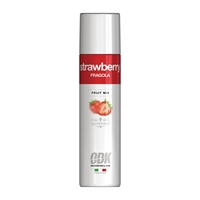


Tom Dyer's Mitango Mocktail Recipe
For a starting point, here’s a recipe from Tom Dyer. Here Tom replaces the alcohol with fiery ginger beer, keeping the heat of the spirit while omitting the alcohol. Give it a try, and then use the principles above to mix your own masterful mocktail.
Ingredients
- 3-8 Fresh mint leaves
- 25ml Fresh lime juice
- 15ml Mango puree, or muddle some fresh mango
- 5ml Honey, or agave if serving vegans
- Splash of ginger ale
Method
- Churn the mint leaves, lime juice, mango and honey up with plenty of crushed ice
- Top up with ginger ale
- Add more crushed ice
- Finish with a slice of mango and a fresh mint sprig
- For an extra kick, drop in a small peice of fresh chilli
How to present your mocktails
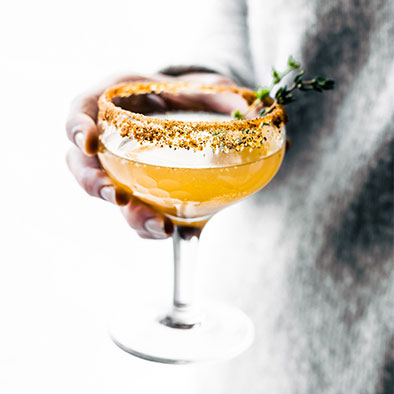
With non-drinkers expecting something a little more premium than a standard soft drink, getting the presentation of your mocktails right is essential.
Plus, a nice looking drink can command a higher price, so finishing your mocktails in style is a great way to justify charging a little extra for them.
Getting the right glass is the first step you’ll need to take. Read our complete guide to cocktail glasses for tips on doing just this.
Then, think garnishes: nothing adds that premium touch to a drink better than the added extras you serve it with.
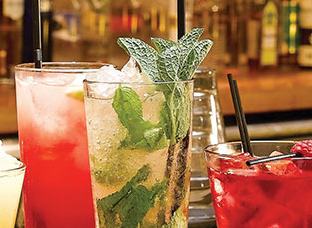
Slices of fruit, sprigs of fresh herbs and cocktail straws are all quick and easy ways to add another dimension to drinks.
Ice is also a must for longer mocktails – just make sure to use enough, too little and your cubes will melt before your drinkers are done, diluting your expertly crafted mocktails.
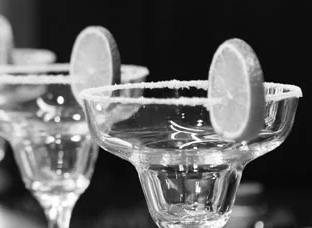
Lastly, finish off your alcohol free drinks with a sweet or salty rim. This not only adds a dash of class to your tipples, but can enhance the flavour too.
To do this, simply wet the rim of your glass with citrus juice, roll it in a tray of sugar or salt, shake off any excess grains and allow to dry. Easy!
Article: For help picking the right glass for you, read our handy guide on types of cocktail glasses




Reduced Price
Multibuy savings


Best non alcoholic drinks
Mocktails are one way to draw in the sober crowd. But many of the world’s best restaurants are going above and beyond to cater to the rising number of teetotallers in new and interesting ways. Leading chefs like Bruno Loubet, for example, have offered gourmet juices, pairing them with dishes to bring out the flavours in each. Others offer tea pairings, brewing up a cuppa with the specific purpose of enhancing the food it’s served with.
Here’s some inspiration for your foray into the alcohol free world.
Juice & Smoothies
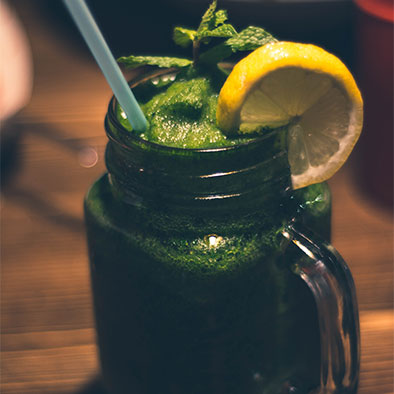
The health food trend has been shaping everything from fast food to fine dining for years. One of the big winners here has been juice.
The sugar packed made-from-concentrate cartons of old may have fallen out of favour with the wellness crowd, but super juices, 'immune boosting' smoothies and more have burst into the mainstream, fuelled by the same health-conscious movement that has contributed to the drinking downturn. Restaurant menus, supermarket shelves and even the high street are now all home to numerous gourmet juices.Offer a decent selection and you’ll tap into the trend.
Or even take it a step further like now retired, but once cutting edge chef Bruno Loubet. His restaurant, the Grain Store, offered gourmet juices that blended ingredients like beetroot, elderflower and verjus to create cordials that looked like wine (they were even served in a wine glass) and functioned, from a culinary perspective, in much the same way: they complemented the dishes he created. Ingredients were chosen to bring out the flavours in the food his juices were served with in much the same way a bold red might finish off a sumptuous steak.
Now sadly closed, the Grain Store’s pioneering juice pairing idea is still a great way to add an extra dimension to your dishes while appealing to the sober crowd at the same time.
shop all bar blenders & smoothie makers nowTea
As British as booze, the humble brew has always been at the heart of British culture. But as coffee continues to grow in popularity, tea has thus far failed to capture the public imagination quite as enthusiastically as it’s richer, more caffeinated cousin. But statistics suggests this is about to change, with 2019 tipped as the year tea took off.
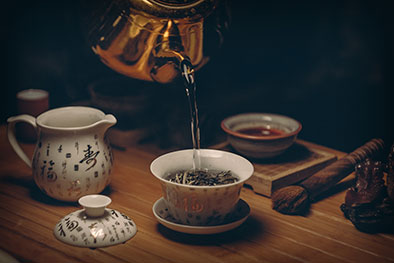
Allan Pirret, the sales direct of award-winning tea supplier Novus, says: “Reports suggest ‘out of home’ tea sales are forecast to reach £313m for 2018, with a 10.3% year-on-year increase and continued growth for at least the next five years, with total sector value expected to reach £439m by 2022.”
This is in part due to consumers looking for a healthy and light alternative to often heavily caffeinated coffee. But it’s also due to the downturn in drinking: “Research has shown more and more young people are shunning alcohol in favour of a healthy lifestyle,” says Aneta Aslakhanova of gourmet tea supplier Newby Teas, “which includes quality tea”.
Swap the booze for the brews and you’ll have a future-proofed alternative for non-drinkers that’s only tipped to rise. Plus, with the margin on even top-quality tea extremely high (90% and higher, according to research) tea ticks every box from wellness to teetotalism to profitability.
Top restaurants are now even offering tea pairing menus in much the same way the Grain Store were offering juice pairings, so there’s plenty of potential to explore too.
Article: No tea service would be complete without a teapot. Read our article on how to choose a teapot for tips on finding the right one.
Coffee
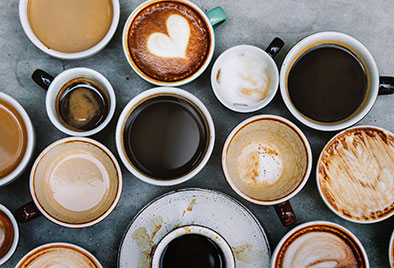
Finally, coffee. Taking in a staggering £3.42bn last year, coffee is caffeinating more Brits than ever before – and it shows no signs of slowing. More than 95 million cups of java are now consumed every day in the UK. And with this has come a better public understanding and appreciation of good coffee.
Outlets selling top-quality stuff can now command, and expect to get, not only an audience, but a higher price for their product. Good news for businesses.
And with the margin on coffee rivalling that of tea (65% for a standard coffee) it’s another smart alcohol alternative for those looking to pull in the sober crowd.
shop all coffee shop supplies nowHow to market your alcohol-free drinks
Upping your alco-free offering is a great start, but you’ll need to shout about your new menu if you’re going to convert those extra options into extra sales. And it’s not just the non-drinking you’ll pull in by doing so: cater well for the teetotallers and you’re far more likely to become the pub of choice for mixed groups of drinkers and non-drinkers.

This is where offering decent alcohol-free options really starts to look appealing. Teetotallers are like vegans - a minority, yes, but a significant one. Are a mixed group likely to go somewhere with limited vegan options, or somewhere with a decent range? Obviously the latter. Non-drinkers, like their meat-free counterparts, are the decision makers.
But what’s the best way to appeal to them? Tried and tested methods like pavement boards and leaflets have their place, but remember that the trend toward teetotalism is most evident in the younger generations. With the vast majority of them active on social media, this makes these channels the obvious way to advertise to them. And as an added bonus, doing so is free.
Generate an online buzz with the tips below and you’ll be riding the sober surge in no time.
Article: For a crash course in marketing your business, read our article on how to market your restaurant.
Dive into Digital
For the uninitiated, Instagram is a social media platform where posters share snapshots of their day. A springboard for everything from upcoming brands to fitness fads, it’s a valuable marketing tool for any business looking to tap into a trend.
This makes it the perfect platform on which to hitch your wagon to the sober surge. With 68% of its users under 35, it’s also a quick and easy way to make your business visible to the younger audience you’re looking to target. And for reaching out to the yet younger Generation Z, Snapchat can be invaluable. With more than 78% of its users under 24, it’s quickly become a serious marketing tool for big brands like McDonalds and Starbucks as they look to target the emerging next generation of spenders.
TIP: 68% of Instagram users are under 35, and 78% of Snapchat users are younger than 24, making them the perfect platforms for advertising to the younger generations
Picture Perfect
So what do you need to do to generate online interest in your business? Firstly, think images. Eye-catching snaps perform well on both platforms, with 67% of users claiming they’re more likely to engage with a detailed, well-taken image than a poorly shot one.
For your purposes, think generously garnished mocktails in big-bowled cocktail glasses, creative coffee art and alcohol-free beers in a stylish beer glass. Packing a visual punch is key: you’re trying to get your audience to stop scrolling and engage with your image, so you’ll need it to stand out. Think about the background of your image as much as the subject itself – a freshly made mocktail with a stylish back bar behind is much more likely to stop scrollers in their tracks than a bland background. Experiment, retry and aim for a snap that you think will stand out.
TIP: 67% of social media users say they're more likely to engage with a well-taken image than a poorly shot one.
Get Tagging
Once you’ve nailed this, finish your snapshots with some relevant hashtags. A great way to group your posts with others covering the same content, add in a relevant hashtag and your posts will be visible - now and in the future - to those with an interest in the topic you’re chasing.
To pick the right hashtag for your needs, look at what ones already exist - #alcoholfree and #noalcohol are a good place to start - and tap into those. Or go local and jump on a hashtag dedicated to your town or city – this’ll make you visible to your target audience of alcohol-free locals. Easy!
Hashtags to try...
- #alcoholfreebeer (5.5k posts)
- #nonalcoholicdrinks (11.5k posts)
- #noalcoholneeded (10k posts)
- #noalcohol (301k posts)
- #alcoholfree (257k posts)
Article: Read our handy guide for expert tips on how social media marketing can help your restaurant.
Raise the bar
Just like all markets, the alcohol industry is subject to trends and shifts in culture. The businesses that thrive in the face of these changes are the ones that adapt to them.
Although teetotallers are still in the minority, they’re a significant minority. Just like the vegetarians and vegans before them, they’re likely to influence group dining decisions – meaning destinations with a range of alcohol-free options, as opposed to the usual soft drinks and squash offering, are more likely to pull in gangs of both teetotallers and drinkers alike. Cater for both groups and you’re set.
Whatever you choose to pursue - mocktails, tea, coffee or juice - there’s a world of possibilities for you to explore, with high margins just one of the many benefits each of them brings.
The downturn in drinking doesn’t have to see pubs and restaurants suffer. Adapt to the market and Britain’s disillusion with the drink might give your business a whole new lease of life.
Cheers to that.