FOOD SAFETY
Safety and hygiene are everything in the catering industry. To be successful you need to follow the guidelines and maintain high standards at all times.
Food safety guidelines are in place to protect your business and your customers. You need to have the correct equipment to keep food at the appropriate temperature, avoid cross-contamination and to keep your kitchen clean at all times.
ALLERGIES
Safeguarding your customers from potential allergens is the law. Allergies can kill, so being vigilant saves lives and your business.
It’s estimated by the European Food Information Council (EU FIC) that in the UK 1-2% of adults and 5-8% of children have a food allergy. That’s approximately 2 million people. A bad reaction can be sparked by the smallest trace of an allergen for someone with a severe allergy, and the results can be fatal.
Most Common Allergens
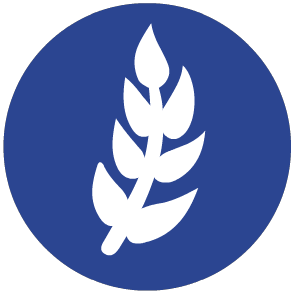
Gluten/Wheat
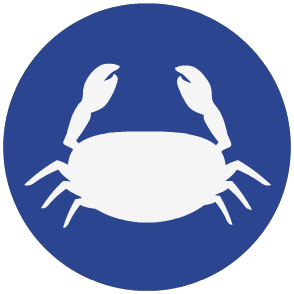
Crustaceans
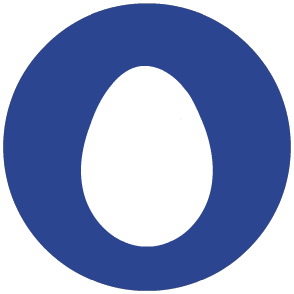
Eggs
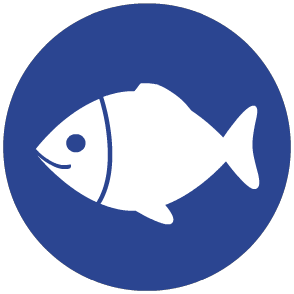
Fish
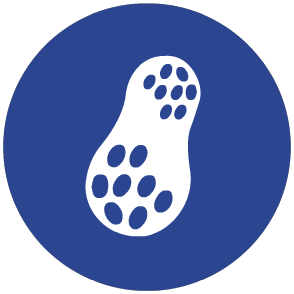
Peanuts
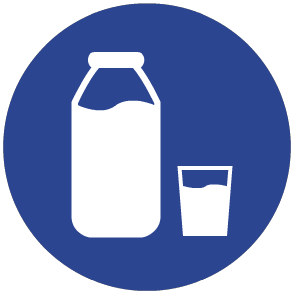
Milk
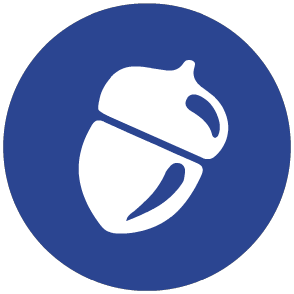
Nuts

Celery
Mustard

Lupin

Molluscs

Sesame
Sulphur Dioxide

Soya
So how can you prevent accidents happening?
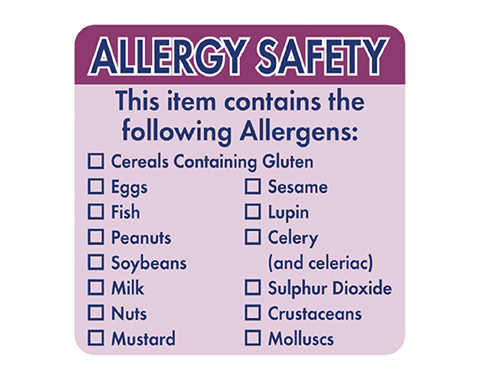
Be clear about what allergens your foods contain. Clearly label your menu and make sure you know your ingredients and where they were produced. Or you can signpost in the restaurant where this information can be found.
As allergies in the UK are on the rise, it’s now not only beneficial to your customers to have allergen free dishes but can also help boost business. If someone in a group of diners has a severe allergy it’ll often be their choice where the group eats. Word of mouth and good advertising of your attention to detail when it comes to tackling allergies gets your restaurant a lot of positive recognition.
- Store foods correctly - think about colourcoded containers, shelving and labels
- Clean thoroughly – have the correct cleaning equipment to make sure residue is cleaned after prepping allergens
- Train staff on hygiene and handling potential allergens
- Check where your ingredients came from – were they produced in a place where allergens are handled?
- Be careful with waste management of allergens
Tips for Safe Handling of Allergens
COLOUR CODED EQUIPMENT
When it comes to avoiding cross-contamination in the kitchen, colour coded equipment is of vital importance.
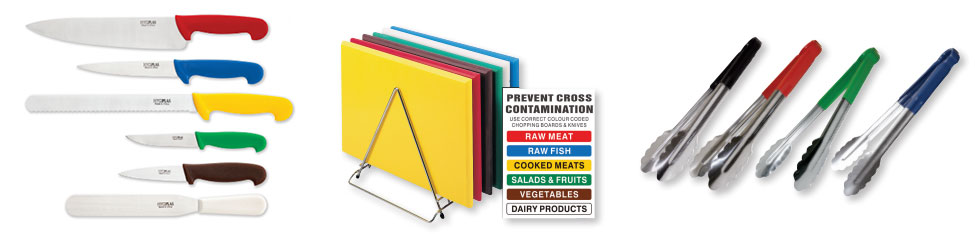
Colour coded items, such as chopping boards, knives, utensils and cleaning equipment, can be found in an array of businesses, from catering to healthcare. They are designed to help eliminate the cross contamination of bacteria across different food types or areas. Using specific colours for certain food types; such as meats and vegetables, or areas; such as toilets and bars, can greatly increase cleanliness by stopping the spread of bacteria. This is crucial for commercial kitchens, healthcare environments, schools and more.
From tongs, to knives and chopping boards, we have a whole range of useful colour coded items to make sure your kitchen operates safely. Although colour coded utensils aren’t a legal requirement, it’s an initiative practised widely in the UK.
Colour coded chopping boards, tongs and knives mean that when it comes to prep you can easily identify the correct utensils, so you’ll never mix raw meat and cooked meats, or dairy and veg.
Having signs in your kitchen encourages staff to adhere to the procedures you use, while coloured labels can help keep different food types separate when in storage
Colour coded cleaning equipment helps you avoid spreading bacteria from one area to another. For example, you should never use the same mop in the toilet as the prep area.